Low Slope Roof Options: Best Roofing Solutions for Low Pitch Roofs
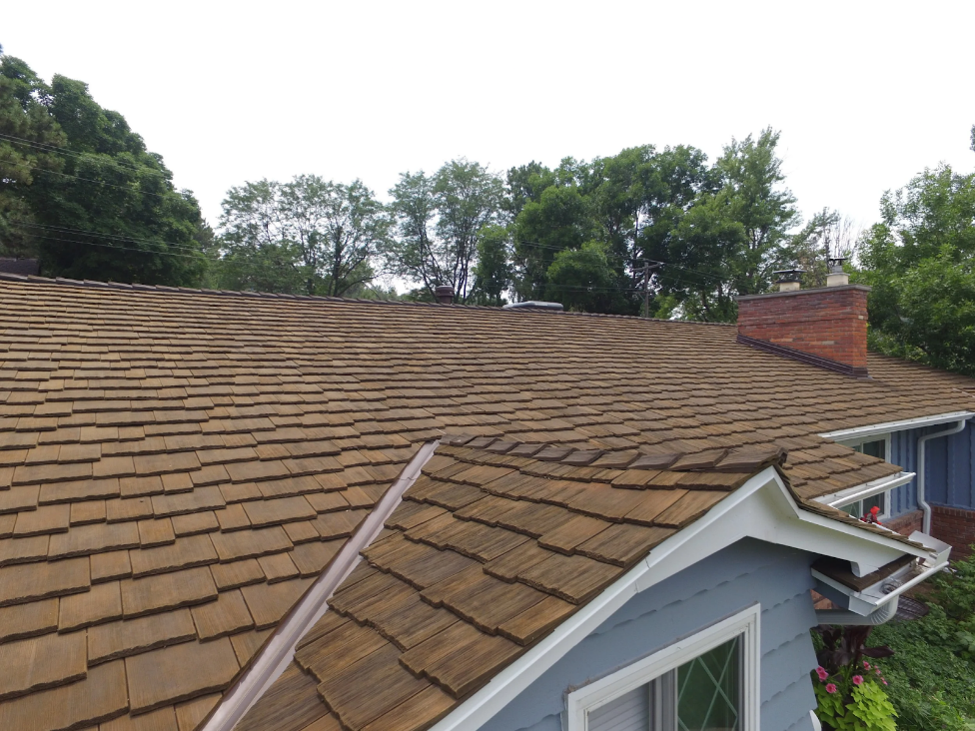
A CEDUR Live Oak roof adds natural beauty and lasting durability to this Denver, Colorado home.
When it comes to protecting a home with a low slope or low pitch roof, choosing the right material matters more than ever. Traditional roofing materials may not provide the water resistance, durability, or curb appeal needed for these types of roofs. Fortunately, there are plenty of low slope roofing options that can meet performance standards without sacrificing aesthetics.
In this guide, we’ll walk through some of the best residential low slope roof options, explore material advantages, and explain why CEDUR offers a premium alternative that checks every box.
What Is a Low Slope Roof?
A low slope roof is generally defined as any roof with a pitch of less than 3:12—meaning it rises less than 3 inches for every 12 inches of horizontal run. These roofs are more prone to water ponding, require efficient drainage, and benefit from materials designed to handle slower runoff.
For residential homes, low slope sections are often found on porches, additions, or modern architectural designs. That makes choosing the right low pitch roof solution a vital part of long-term performance and insurance compliance.
5 Common Low Slope Roofing Options
If you’re weighing the pros and cons of various roofing solutions for a low pitch or low slope roof, here are five common options homeowners often consider—each with its own strengths and drawbacks.
1. Modified Bitumen Roofing
Modified bitumen is an asphalt-based material that comes in rolls and is heat-applied or cold-adhered to the roof deck. It’s flexible and durable but often used in commercial settings. For residential homes, its industrial appearance can be a drawback.
2. EPDM (Rubber) Roofing
EPDM is a synthetic rubber membrane widely used for flat or low slope roofing. It’s cost-effective and easy to install but has a commercial aesthetic and may require frequent maintenance.
3. TPO Roofing
TPO (Thermoplastic Polyolefin) is another membrane system that offers energy efficiency and durability. Like EPDM, it lacks curb appeal for residential homes but is common in flat-roof applications.
4. Metal Roofing (Standing Seam)
Metal panels can be used on low slope roofs with proper sealing and underlayment. They offer longevity and modern style but may be expensive and noisy during rainstorms.
5. Roll Roofing
This basic asphalt material is inexpensive and simple to install, but it has a short lifespan and limited visual appeal. Best used as a temporary or secondary roof covering.
Performance Concerns and Challenges
Low slope roofs come with unique performance challenges. Here’s what homeowners should keep in mind:
- Water ponding risk can shorten the lifespan of some materials
- Higher exposure to UV rays and thermal cycling can degrade low-quality products
- Snow and ice dams can accumulate due to poor runoff
- Insurability may be limited for materials not rated for low slope installations
CEDUR addresses many of these concerns by offering a roofing system that’s impact resistant, fire rated, wind tested, and compatible with modern underlayment techniques.
Cost Considerations for Low Slope Roofing
The cost of installing a low slope roofing system varies depending on the material, roof complexity, local labor rates, and underlayment requirements. Here are some factors that typically influence total project cost:
- Type of roofing material selected (membrane vs. composite vs. metal)
- Roof size and accessibility
- Underlayment or insulation system required
- Slope grade and drainage enhancements
- Long-term maintenance and repair needs
While membrane systems like EPDM or TPO may have lower upfront costs, premium materials like CEDUR provide longer-term savings through durability, insurance benefits, and fewer repairs.
Installation and Underlayment Requirements
Low slope roofing systems demand careful attention to installation and underlayment choices. Since these roofs don’t shed water quickly, waterproofing is essential. Some considerations include:
- Double-layer underlayment: Provides added waterproof protection
- Self-adhering membranes: Ideal for slopes between 2:12 and 3:12
- Proper flashing and sealing: Especially around chimneys, vents, and skylights
- Drainage planning: Ensures ponding water won’t lead to deterioration
Choosing a qualified roofer experienced with low slope installations is critical for performance and warranty compliance.
Performance Concerns and Challenges
Low slope roofs come with unique performance challenges. Here’s what homeowners should keep in mind:
- Water ponding risk can shorten the lifespan of some materials
- Higher exposure to UV rays and thermal cycling can degrade low-quality products
- Snow and ice dams can accumulate due to poor runoff
- Insurability may be limited for materials not rated for low slope installations
CEDUR addresses many of these concerns by offering a roofing system that’s impact resistant, fire rated, wind tested, and compatible with modern underlayment techniques.
Why CEDUR Is the Best Roofing Option for Low Slope Roofs
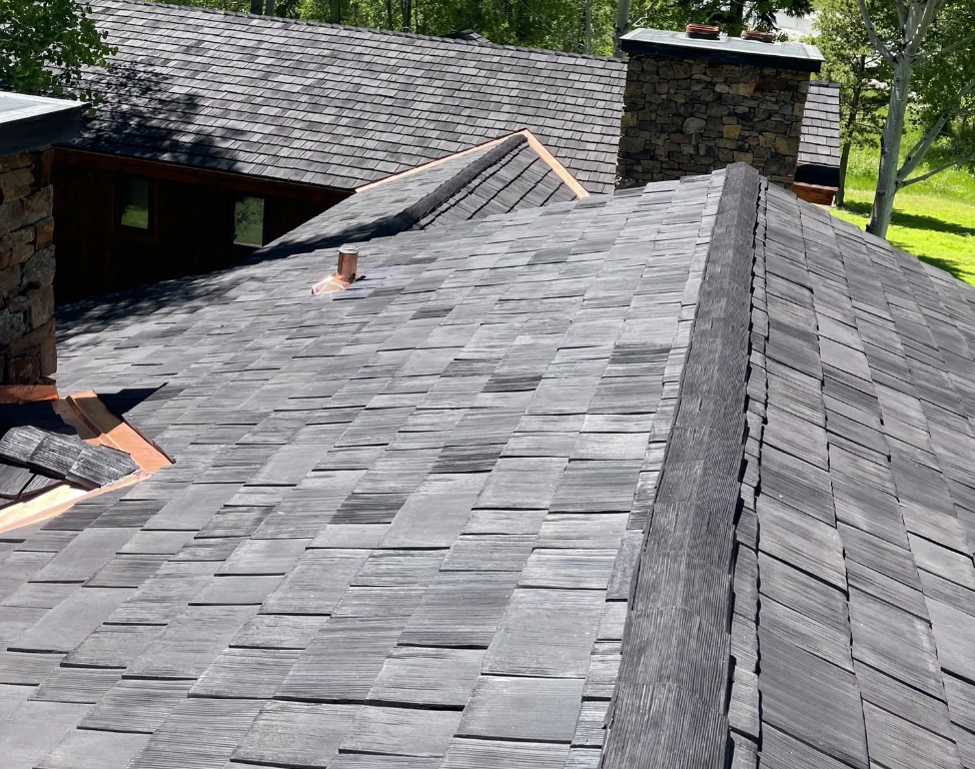
CEDUR Shiloh roof in Idaho, installed by Metal Man Construction.
When homeowners want a roofing material that performs under pressure and enhances the home’s visual appeal, CEDUR shakes offer a standout solution for low slope roofing systems.
CEDUR synthetic cedar shakes are engineered for performance, beauty, and resilience. With proper underlayment, CEDUR has been used effectively on low pitch residential roofs, particularly on 3:12 slopes and above.
Here’s why CEDUR is a top-tier choice among low slope roof materials:
- Engineered for Versatility: Can be installed on low slope roofs using a double-layer underlayment or self-adhering membrane system.
- Class A Fire Rating: Meets strict fire safety requirements, making it insurable and secure.
- Class 4 Impact Resistance: Withstands hail, debris, and extreme weather—critical for low slope roofing where standing water and impact are concerns.
- Wind Resistant: Tested to endure up to 115 mph wind speeds, ideal for storm-prone areas.
- Fade & Rot Resistant: CEDUR shakes maintain their color and structure for decades without the risk of mold or deterioration.
- Natural Wood Aesthetic: Unlike commercial membranes, CEDUR delivers the charm of real wood without the upkeep.
For those seeking residential low slope roof options that marry function with form, CEDUR stands out as a long-term, insurance-friendly investment.
Choosing the Best Roofing Material for a Low Pitch Roof
While many low slope roofing materials are available, not all are suitable for residential properties where aesthetics matter. Homeowners should consider:
- Local climate (wind, hail, fire risk)
- Insurance requirements
- Budget and long-term value
- Appearance and curb appeal
- Warranty and lifespan
- Installation complexity
CEDUR checks all the boxes for homeowners looking for low slope roofing solutions that don’t compromise on performance or beauty.
The Smart Choice for Style and Durability
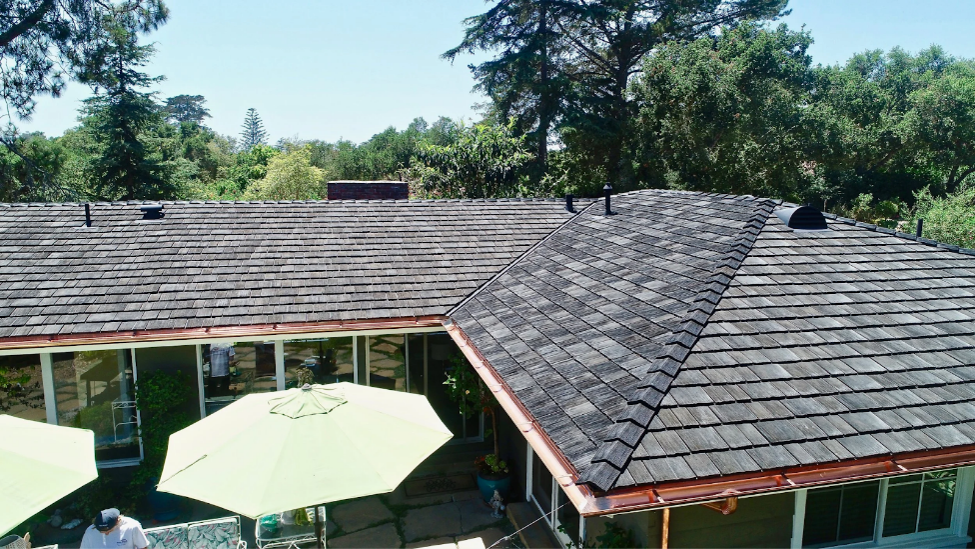
CEDUR Shiloh roof in Southern California, installed by Pacific Roofing Systems.
Low slope roofs require roofing materials that are up to the task—resisting water, wind, and impact while enhancing the overall look of the home. While many options exist, few provide the all-around benefits of CEDUR.
If you’re exploring roofing options for low pitch roofs, CEDUR delivers a proven solution that goes beyond the basics. Durable, elegant, and built to perform in even the toughest environments, CEDUR is the smart choice for today’s modern homeowner.
Ready to explore CEDUR for your low slope roof?
Reach out today to learn more about installation options and to request a free sample.