If you live in a community governed by a homeowners association, roofing decisions can feel confusing and restrictive. Many homeowners wonder whether HOA fees cover roof replacement, who is responsible for roof repairs, and how much control an HOA has over when and how a roof is replaced.
The short answer is that HOA roof replacement responsibility depends on the type of home you live in and what your HOA’s governing documents say. Below, we break down how HOA roofing rules typically work, when an HOA may pay for roof repairs, and what homeowners should expect when planning a roof replacement in an HOA community.
Does an HOA Cover Roof Replacement?
HOA coverage for roof replacement largely depends on the type of property you own, such as a single-family home, condo, or townhome.
For most single-family homes, HOA fees typically do not cover roof replacement. In these communities, the homeowner is usually responsible for maintaining and replacing their own roof, even though the HOA may regulate the roof’s appearance.
For condos and some townhomes, the situation can be different. In many attached housing communities, the HOA may be responsible for replacing the roof because it is considered part of the building’s shared structure. In these cases, roof replacement costs may be covered through HOA fees or special assessments.
Because HOA responsibilities vary widely, homeowners should always review their CC&Rs (Covenants, Conditions, and Restrictions) to determine who is financially responsible for roof replacement.
When Does an HOA Pay for Roof Repairs or Leaks?
Homeowners often ask whether an HOA pays for roof repairs or roof leaks. Again, the answer depends on ownership structure and the source of the problem.
An HOA may be responsible for roof repairs or leaks when:
- The roof serves multiple units or is part of a shared structure
- The leak originates from a common area roof
- The HOA is contractually responsible for exterior maintenance
In contrast, if a roof leak is isolated to a single-family home or caused by homeowner neglect, repairs are typically the homeowner’s responsibility. Some HOAs may handle emergency repairs to prevent further damage, then bill the homeowner afterward.
Do HOA Fees Cover Roof Maintenance or Replacement?
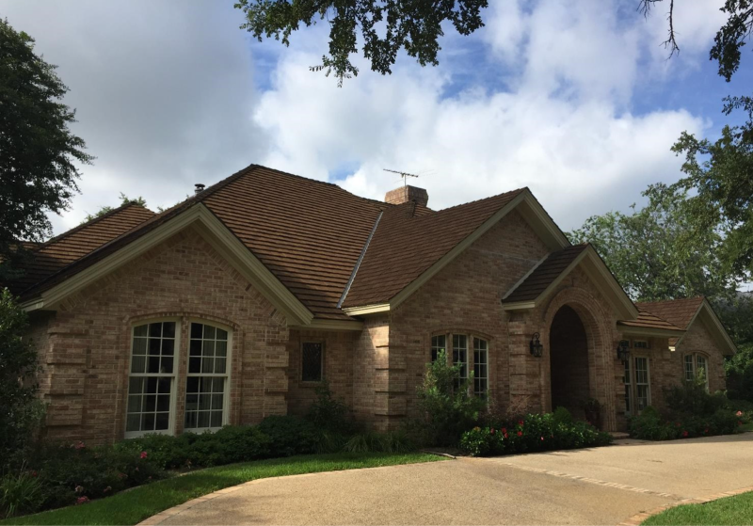
HOA fees are commonly used to maintain shared amenities and common areas, such as landscaping, pools, and exterior building components. However, HOA fees do not automatically mean your roof replacement is covered.
In many communities, HOA fees cover:
- Routine maintenance of common structures
- Minor exterior repairs
- Long-term reserve funds for shared roofs
Roof replacement for individual homes is often excluded. In condo communities where the HOA manages the roof, replacement costs may still require special assessments rather than being fully covered by regular monthly dues.
Can an HOA Make You Replace Your Roof?
Yes, in many cases, an HOA can require a homeowner to repair or replace their roof. HOAs are legally permitted to enforce maintenance and appearance standards outlined in their governing documents.
An HOA may require roof replacement if:
- The roof is visibly deteriorated or unsafe
- Roof damage poses a risk to neighboring properties
- The roof no longer meets community appearance standards
Failure to comply with HOA roofing requirements can result in fines, penalties, or legal action. In some cases, the HOA may perform the repair and charge the homeowner for the cost.
Why HOAs Have Roof Replacement Guidelines
HOA roofing guidelines are designed to protect property values and maintain a consistent neighborhood appearance. These rules often regulate:
- Roofing materials
- Roof colors and profiles
- Installation methods
While these guidelines can feel restrictive, they are intended to prevent visual inconsistency, reduce liability, and ensure long-term durability across the community.
How to Get HOA Approval for a Roof Replacement
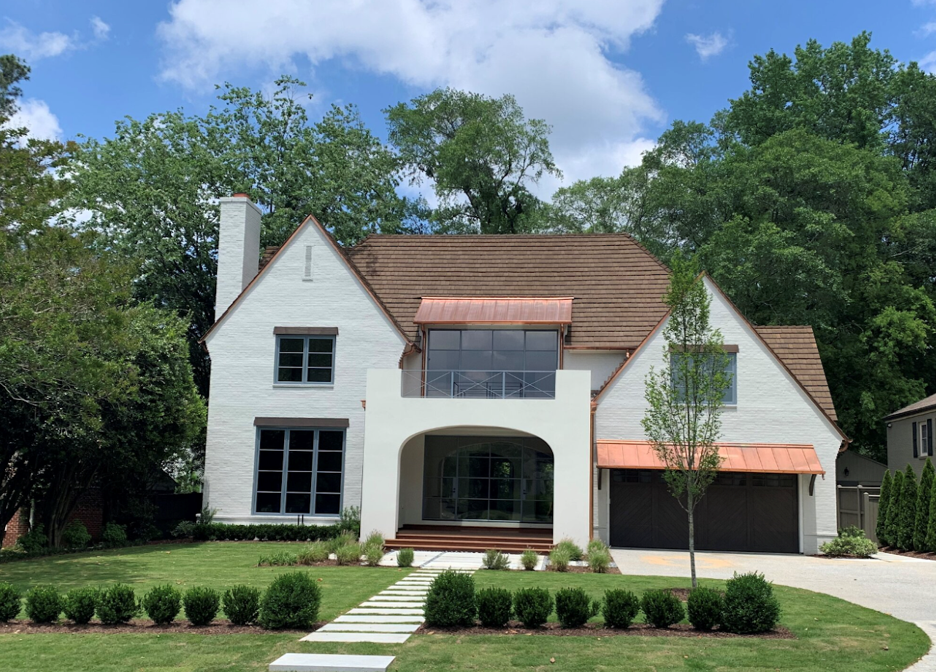
Getting HOA approval is often the most important step in an HOA roof replacement project. To improve your chances of approval:
Choose HOA-Approved Materials
Many HOAs specify approved roofing materials and colors. In some cases, alternative materials may be allowed if they closely match the required appearance. For example, synthetic cedar shake roofing can often meet HOA appearance standards while offering superior durability.
Work With an Experienced Roofing Contractor
A qualified roofing contractor can help prepare documentation, timelines, and material specifications that align with HOA requirements. This significantly improves approval timelines.
Submit Requests Early
HOA approval processes can take weeks or even months. Submitting your request well ahead of your desired installation date helps avoid delays, especially during peak roofing seasons.
What to Do If Your HOA Denies Your Roof Replacement
If your HOA denies your roofing request, ask for specific feedback on why it was rejected. In many cases, approvals can be granted after adjustments to materials, colors, or installation plans.
If your HOA is unfamiliar with advanced roofing options, providing detailed information can help. CEDUR synthetic cedar shake roofing, for example, offers the appearance of natural wood while delivering increased durability, low maintenance, and long-term performance. These benefits can help address HOA concerns around appearance, longevity, and upkeep.
Navigating HOA Roofing Rules With Confidence
HOA roofing rules can be frustrating, but understanding them early helps homeowners avoid delays, fines, and unnecessary costs. Reviewing your HOA documents, planning ahead, and selecting HOA-friendly roofing materials can make the roof replacement process far smoother.
If you are considering an HOA roof replacement and want a material that balances aesthetics, durability, and compliance, contact CEDUR today to learn more about synthetic roofing solutions designed to meet HOA requirements.
HOA Roof Replacement FAQ
Does an HOA cover roof replacement?
In most single-family home communities, HOAs do not cover roof replacement costs. For condos and some townhomes, the HOA may be responsible if the roof is part of a shared structure. Always review your HOA’s governing documents to confirm responsibility.
Does an HOA pay for roof repairs?
An HOA may pay for roof repairs when the roof serves multiple units or is considered a common area. Repairs to individual roofs are typically the homeowner’s responsibility unless stated otherwise in the CC&Rs.
Do HOA fees cover roof replacement or maintenance?
Depending on governing documents HOA fees may cover routine maintenance or reserve funds for shared roofs, but they do not automatically cover individual roof replacement. Large projects often require special assessments, even in HOA-managed buildings.
Is an HOA responsible for roof leaks?
Responsibility depends on property type and governing documents. While in some instances an HOA may be responsible for roof leaks, that may be only if the leak originates from a common roof or shared structure. If the leak is isolated to a single home, responsibility usually falls on the homeowner.
Can an HOA make you replace your roof?
Yes. If a roof is unsafe, severely deteriorated, or does not meet appearance standards, an HOA can require repairs or replacement under its governing rules.
What should I check before replacing my roof in an HOA?
Before replacing your roof, review HOA guidelines, confirm approved materials and colors, work with an experienced contractor, and submit your request well in advance to avoid delays.