Popular Wisconsin roofing types include asphalt shingles, natural wood shake shingles, concrete tile, metal roofs, natural slate, and even synthetic roofing materials. Asphalt shingles provide affordability, metal roofs provide durability, natural wood shake shingles provide aesthetic appeal and synthetic roofing types are a newer alternative you may want to consider. In this article, we will explore the best roofing options for Wisconsin homes, each with distinct benefits and maintenance needs, outline their pros and cons, and introduce a synthetic roofing type to consider.
Overview of Wisconsin’s Climate
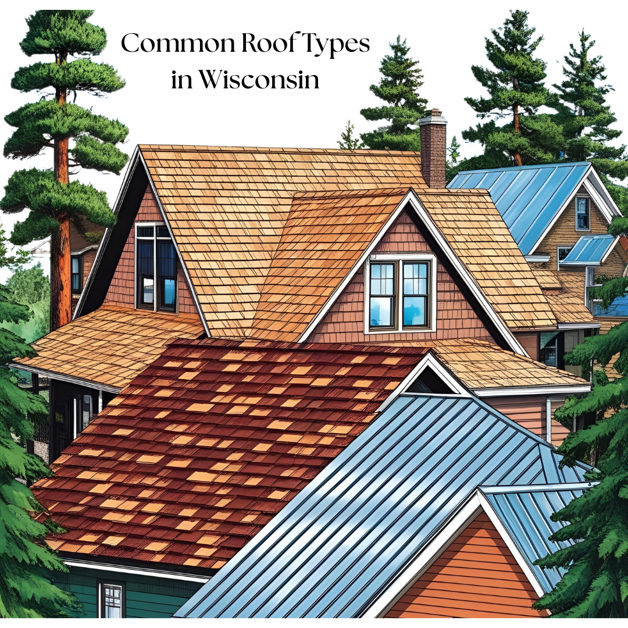
When searching for roofing solutions and roofing material types for Wisconsin homes, it is wise to first consider the state’s harsh weather conditions and climate.
Wisconsin experiences harsh long winters with heavy snow accumulation, freezing temperatures, and occasional ice storms. On a yearly basis Wisconsin homeowners experience heavy snow accumulation and very harsh winters. This means you will want a roofing product that can endure freezing winter temperatures, can limit ice damming, and is freeze/thaw resistant. For your Wisconsin home, consider installing snow guards over areas with high foot traffic like exit and entry ways, and over your garage.
In the summer and fall months, Wisconsin faces high humidity, high winds, and thunderstorms, all of which can be detrimental to your roof. Consider a roofing material that is wind resistant and Class 4 impact resistant to better protect your home from potential hail damage. From heavy snowfall leading to ice dams and structural roof stress, to strong winds and humid summers, it’s crucial to choose a durable, weather-resistant roofing product for your Wisconsin home.
Popular Roofing Types for Wisconsin Homes
When it comes to roofing materials, Wisconsin homeowners have a variety of popular options to choose from, including asphalt shingles, metal roofs, wood shingles, natural slate, concrete tile, and synthetic roofing. Each of these materials offers unique benefits in terms of cost-effectiveness, durability, and aesthetic appeal. Factors such as Wisconsin’s weather conditions, your budget, and long-term roofing maintenance should be considered when making a decision. Let us dive into popular roofing types best suited for Wisconsin’s climate.
Asphalt Shingles in Wisconsin
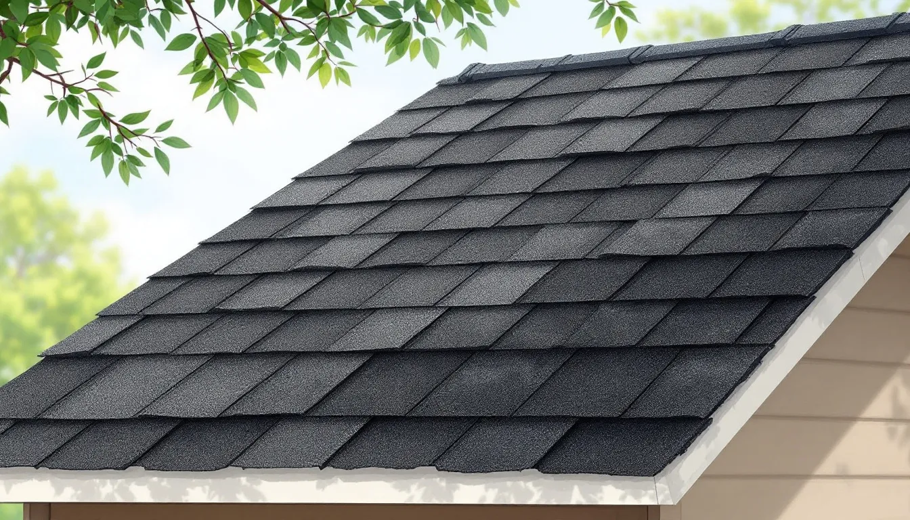
Asphalt shingles are a popular choice among Wisconsin homeowners due to their affordability and durability. These shingles are effective in most environmental conditions, providing strong protection against Wisconsin’s harsh weather. With a lifespan ranging from 10 to 25 years, asphalt shingles offer a balance of cost-effectiveness and longevity. Their lightweight nature makes them easy to install, which can further reduce labor costs.
Pros of asphalt shingle roofs in Wisconsin:
- Affordable
- Works with insurance
- Lower out of pocket expense
- Quick and easy installation
- Wide range of colors and styles
Cons of asphalt shingle roofs in Wisconsin:
- Limited lifespan
- Not freeze/thaw resistant
- High maintenance and not resistant to mildew and algae growth
- Durability: extreme weather conditions can accelerate material degradation
- Granule loss: heavy snow, high wind and heavy rain can accelerate granule loss
- Energy efficiency: asphalt shingles absorb heat in the summer months
Asphalt shingles are a popular choice for Wisconsin homeowners seeking a cost effective roofing solution that will work with their insurance. However asphalt shingle roofs do not last as long as most other roofing types, and in locations with extreme weather, you may consider an alternative roofing type.
Metal Roofs in Wisconsin
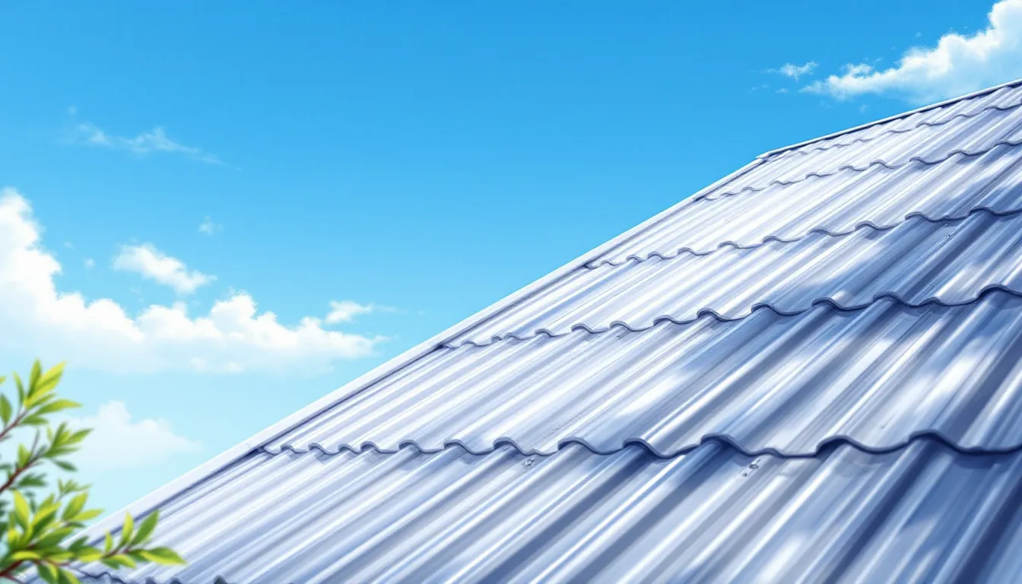
Metal roofs are a good option for Wisconsin homes. These roof types are a long lasting and low maintenance option for Wisconsin homeowners. The low maintenance requirements of a metal roof add to their appeal, as they can withstand severe weather conditions with minimal upkeep. But keep in mind that they are expensive and can be noisy during rain storms.
Pros of metal roofs in Wisconsin:
- Lifespan: metal roofs have a long lifespan
- Resistant to damage: metal roofs are resistant to weather damage
- Resistant to mold and mildew growth
- Fire resistant and impact resistant
- Wind resistance
- Low maintenance
Cons of metal roofs in Wisconsin:
- Appearance: metal roofs are limited in color options and finishes
- Noise: metal roofs are noisey during heavy rain
- Corrosion, scratches, and denting
- Cost and installation: metal roof installation is rather difficult, choose an experienced metal contractor
- HOA restrictions: some HOAs have aesthetic regulations that limit the use of metal
Wood Shingles and Wood Shakes in Wisconsin
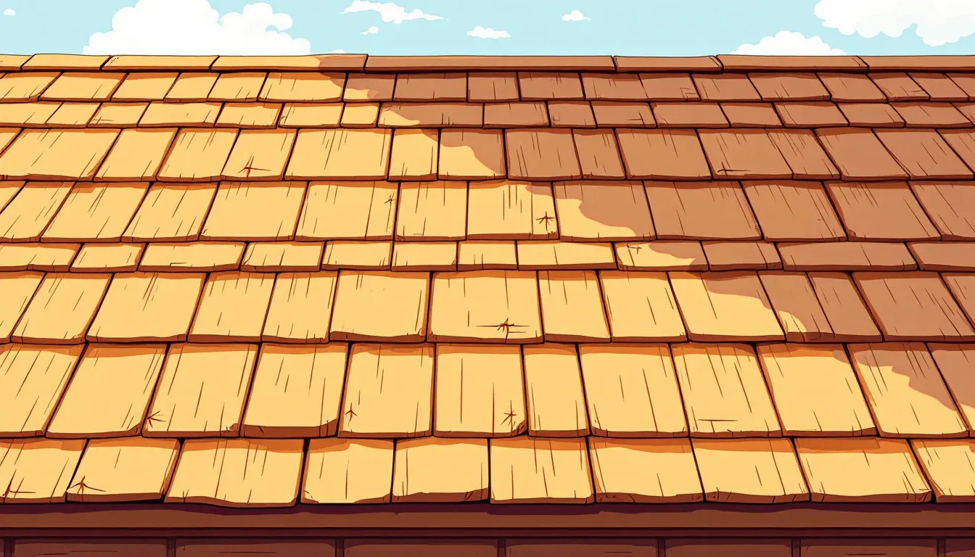
Wood shingles and wood shakes are prized for their natural beauty and aesthetic appeal, making them a popular choice for homes in Wisconsin. Produced by sawing or splitting wood, these materials offer a unique and attractive appearance. However, their lifespan varies significantly depending on climate and in Wisconsin’s damp environment, their lifespan is typically shortened.
Pros of wood shakes and wood shingles in Wisconsin:
- Appearance: wood shake shingles provide incredible aesthetic appeal and charm
- Energy efficiency insulation properties of wood help reduce energy consumption
- Insulation: wood is a natural insulator
- Repair cost: wood shakes or wood shingles can be replaced individually if the remaining roof system is still performing
- Wind resistance
Cons of wood shakes and wood shingles in Wisconsin:
- Insurance: depending on your location, some communities are banning the use of wood shake shingles
- Fire danger: while wood roofs can be treated, wood is a naturally flammable material
- Constant maintenance: to maintain lasting performance wood should be maintained consistently
- Chemical treatments and preservatives are required to maintain longevity
- Installation cost: wood material and installation can be quite expensive, and it is recommended to choose a contractor with extensive experience
- Not freeze/thaw resistant
- Mold and mildew growth
- Rot and algae buildup
While wood shingles and shakes can add significant curb appeal, they are not the most durable option for Wisconsin’s moist climate. Additionally, wood shake shingle roofing installation can be quite expensive. Wisconsin homeowners should weigh the aesthetic benefits against the potential maintenance challenges and costs, and choose a professional roofing contractor with extensive wood installation experience to guarantee a dependable roof installation.
Natural Slate Roofs in Wisconsin
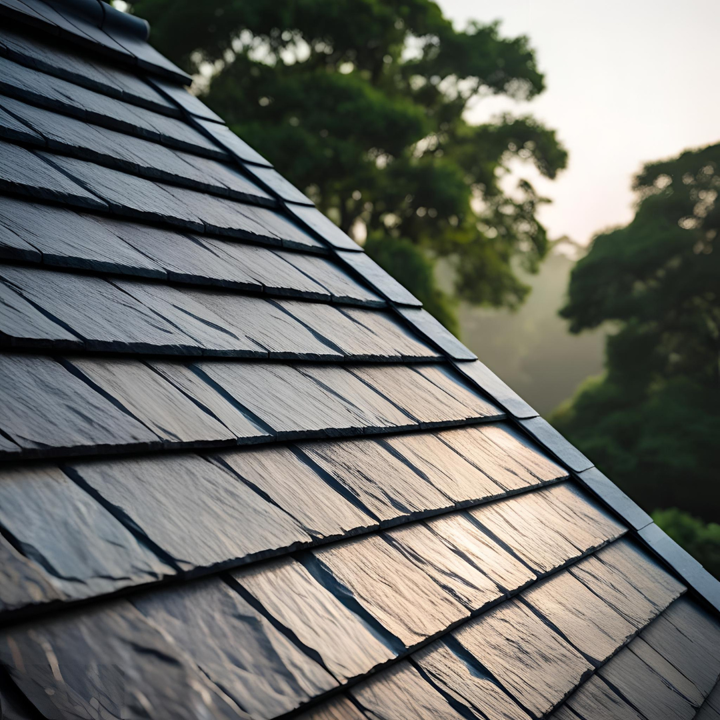
Natural Slate roofs are renowned for their extreme longevity, often lasting 100 years with proper maintenance. These roofs are fire-resistant, waterproof, and highly durable, making them an excellent choice for areas prone to severe weather.
Pros of natural slate roofs in Wisconsin:
- Beauty: natural slate roofs posses a unique and beautiful appearance
- Durability: natural slate can resist weather resistance with little to no decay
- Longevity: if well maintained a slate roof can last a century
- Great option for Wisconsin’s climate as slate performs better in colder climates than warmer climates
- Impact resistant and fire resistant
- Environmentally friendly material
- Freeze/thaw resistant
Pros of natural slate roofs in Wisconsin:
- Installation cost: slate material is expensive to purchase and install
- Maintenance: slate roofs require routine maintenance checks
- Weight: natural slate roofs are very heavy and require a structural check to support its high weight
- Small amount of installation professionals with slate experience
Despite their durability, slate roofs have some drawbacks. They are heavy and can break if stepped on, requiring careful installation and maintenance. Their ability to withstand harsh weather and their long lifespan make them a valuable investment for homeowners seeking a durable roofing solution. However, the cost of slate roofing can be quite high, in fact a natural slate roof is typically the most expensive roofing type to install.
Concrete Tile Roofs in Wisconsin
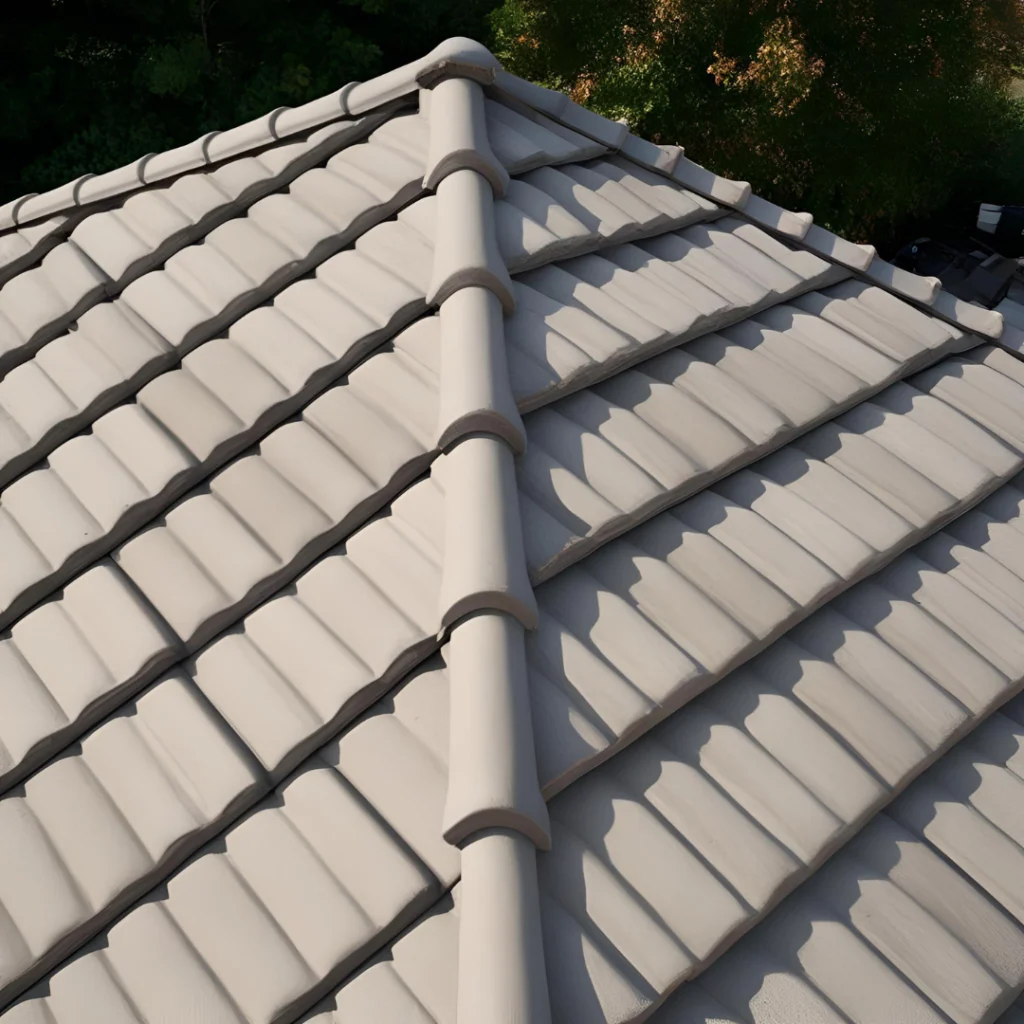
Concrete tile roofs are another durable roofing type, most notably known for their resilience and ability to endure heavy winds and adverse weather conditions.
Pros of concrete tile roofs in Wisconsin:
- Wind resistant: concrete tile roofs perform well in high wind areas and coastal areas
- Impact resistant and fire resistant: although concrete is prone to tile breakage during hail storms
- Variety of roof styles and colors
- Low maintenance
- Pest resistant
- Longevity
Cons of concrete tile roofs in Wisconsin:
- Weight: concrete tile roofs are very heavy and structural weight modifications may need to occur if your home is older
- Difficult installation: concrete is difficult to install, it is worth choosing an experienced concrete tile installer if you want a concrete tile roof
- Brittle: while concrete is resistant to weather, tiles can break from walking on them or from a fallen tree limb
- Not inherently freeze/thaw resistant
- Expensive
Concrete roof tiles can last 50 years, providing long-term protection for homes in Wisconsin. However, concrete tiles are heavy and require extra structural support, which can increase installation costs. Walking on concrete tiles can also lead to breakage, so maintenance must be handled with care. Despite these considerations, the durability and longevity of concrete tiles make them a popular choice for Wisconsin homeowners seeking a robust roofing material.
Synthetic Roofs in Wisconsin
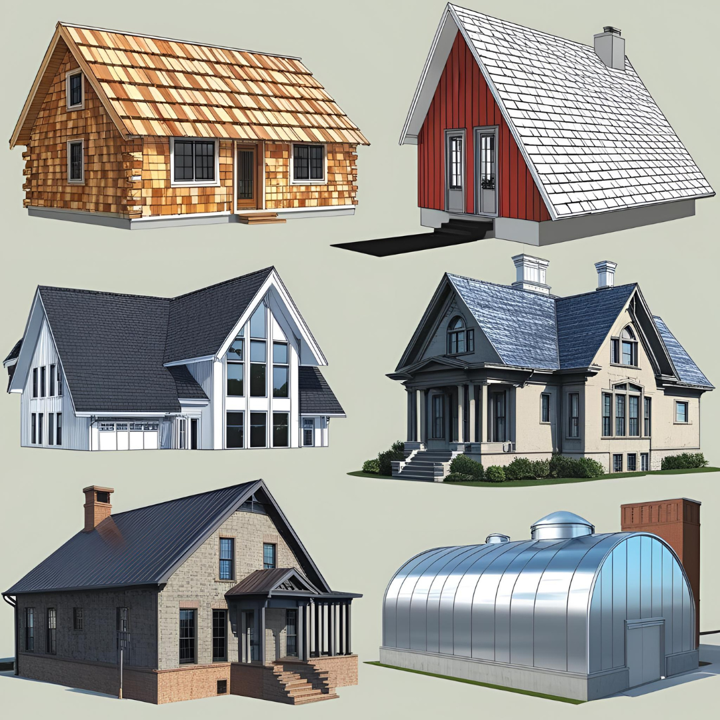
Synthetic roofing types are new to the roofing industry when compared to the other roofing options. However, synthetic based roofing materials provide many benefits for Wisconsin homeowners.
Pros of synthetic roofs in Wisconsin:
- Variety of options that mimic natural roofing styles: synthetic slate, synthetic wood, synthetic concrete
- Appearance: through modern innovation synthetic roofs look just as realistic as their natural counterparts
- Cost effective: while the upfront cost is still high, synthetic roofs are less expensive than natural slate and even wood shakes or wood shingles
- Insurance benefits: many synthetic roofing products provide homeowner insurance benefits which can help Wisconsin homeowners save money
- Longevity and durability: most synthetic roofs feature a 50 year warranty and meet the industries most stringent testing standards
- Lightweight: most synthetic roofing manufacturers are lightweight compared to asphalt shingles, concrete tile, or natural slate
Cons of synthetic roofs in Wisconsin:
- Difficult installation: synthetic roofs are labor intensive, it is worth choosing an experienced synthetic installer
- Routine maintenance: to ensure longevity it is recommended to provide cleaning and regular inspection per the manufacturers recommended maintenance
- New to the roofing industry: unlike the other roofing types listed, synthetic roofs are newer
- Upfront cost: the initial cost for synthetic roofing products is high, although this can vary from installer to installer
Consider this Synthetic Alternative: CEDUR Synthetic Wood Shakes

While some synthetic roofing manufacturers emulate all types of their natural roofing counterparts, CEDUR focuses on providing the most realistic synthetic wood shake replacement product available.
CEDUR synthetic wood shakes are the most realistic synthetic roofing shakes ever made and feature a Class 4 Impact Rating and Class A Fire Rating (highest industry ratings). CEDUR synthetic cedar shakes are light weight and durable and look just like heavy hand split natural cedar shakes, in fact it is difficult to distinguish CEDUR from real wood shakes. A CEDUR synthetic roof combines the desirable cedar shake look with the latest in design and technology, let us provide additional product benefits below.
Pros of CEDUR Synthetic Roofs in Wisconsin:
Your roof is an essential part of your home or building, and you want to be sure it is strong enough to take an impact. A Class 4 impact resistant roof is among the most durable types of roofing products on the market. CEDUR synthetic roofing shakes mimic the natural beauty of wood shakes with the added benefit of being Class 4 UL 2218 Impact Resistant and stand alone Class A Fire Rated.
- Class 4 Impact Rated and stand alone Class A Fire Rated
- Freeze/thaw resistant: CEDUR shakes are thick and solid throughout with a 3/4” inch butt end
- Insurance savings: installation of a new CEDUR roof means potential reductions in homeowners insurance cost
- Lightweight – just 170 pounds per square (one of the lightest roofing products)
- Extreme fire resistance (reaches 1,400 degrees and does not ignite)
- Certified to 115 mph wind speeds – warrantied to 90 mph
- Mold and mildew resistance
- 50 Year Limited Warranty
Authentic Wood Look for Historic Homes and Historic Roofing Projects
At CEDUR we understand that replacing or repairing older roofs can be difficult and costly. Traditional roofing materials found on aged properties no longer meet modern safety or building codes. In fact, the use of wood shake shingles is banned in many high-risk fire zones and mountain communities throughout the United States. CEDUR synthetic shakes make it possible to match the original intended look of a historical property while meeting modern day performance characteristics.As a pioneer of polyurethane roofing materials since 1998, CEDUR has been a reliable roofing material for government projects, religious facilities, and educational buildings.
Insurance Savings for CEDUR Synthetic Roofs
Natural wood shake shingles and other traditional roofing materials are potentially a high-risk liability for insurance companies covering residential dwellings. As a result, insurance companies may charge premiums for homeowners with a wood shake roof. Insurance companies are cautious of advising homeowners to install or re-repair their natural cedar shake roof, especially in high-risk wildfire danger zones due to durability concerns and fire risk associated with wood shake shingles. To replace a wood shake roof with a Class A Fire Rated and Class 4 Impact Rated roofing material like CEDUR, may alleviate insurance premiums. The installation of a new CEDUR synthetic roof means fire-resistance synthetic shake roof and potential reductions in homeowners insurance cost.
Below is a link to the State Farm Insurance list of roofing products that are eligible for impact resistance discounts. CEDUR can be found on this State Farm list under “Alternative Materials” on page 1 of this document. (can be found under: Colorado Roofing Products LLC dba CEDUR). Different states may have different roofing discounts.
View State Farm Roofing Discounts offered by State
With proper testing and certification, insurance companies are willing to provide homeowners with discounts for installing a Class 4 UL 2218 impact resistant roof. Due to our impact resistance and fire-resistant technology CEDUR is eligible for impact resistance discounts. CEDUR is listed on most major insurance companies’ premium credits product listing. This includes companies like State Farm Insurance, Chubb Insurance, and American Family Insurance. Homeowners with a CEDUR synthetic roof have the potential to receive insurance policy discounts.
Fire Safety is our #1 Priority at CEDUR
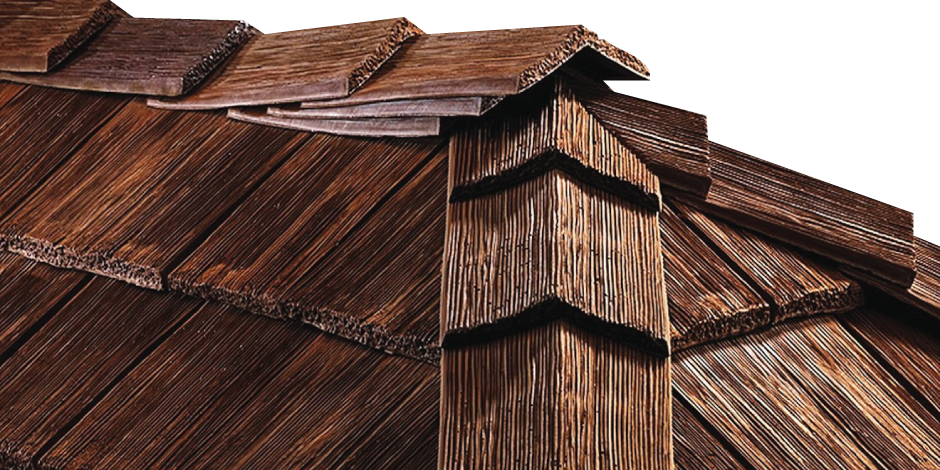
Your roof is the first line of defense against wildfires and a CEDUR synthetic roof is one of the most fire-resistant roofing products available for purchase. CEDUR synthetic wood shakes are Class A Fire Rated and no special fire-resistant underlayment is required during installation to achieve the Class A Fire Rated roofing system. CEDUR synthetic roofing products are fire-resistant and stand-alone Class A Fire Rated. Many alternative roofing products feature a Class A Fire Rating, but you must use a special fire-resistant underlayment system to achieve the Class A Fire Rating. The CEDUR product itself is Class A Fire Rated – without the need of a special fire-resistant underlayment.
In the event of a wildfire, roofs are the most vulnerable part of a home because they present a large expanse where burning debris and embers may land. Flames spread from roof to roof, with embers from the fire being a major cause of traveling fire damage. Sparks and ignited debris can be lifted and carried by convection currents up to a half-mile from a fire.
- CEDUR does not require a special fire-resistant underlayment to achieve its Class A Fire Rating
- Class A Fire Rating – Stand Alone – highest rating obtainable
- ASTM E108, UL 790
Using our proprietary technology, CEDUR synthetic shakes can extinguish flame spread and will not allow a flame to propagate on the surface of the product. CEDUR products are stand-alone Class A Fire Rated without the need of a special fire-resistant underlayment during installation. This fire-resistant technology is patented and proprietary to CEDUR.
Additional Maintenance Tips for all Wisconsin Roofs
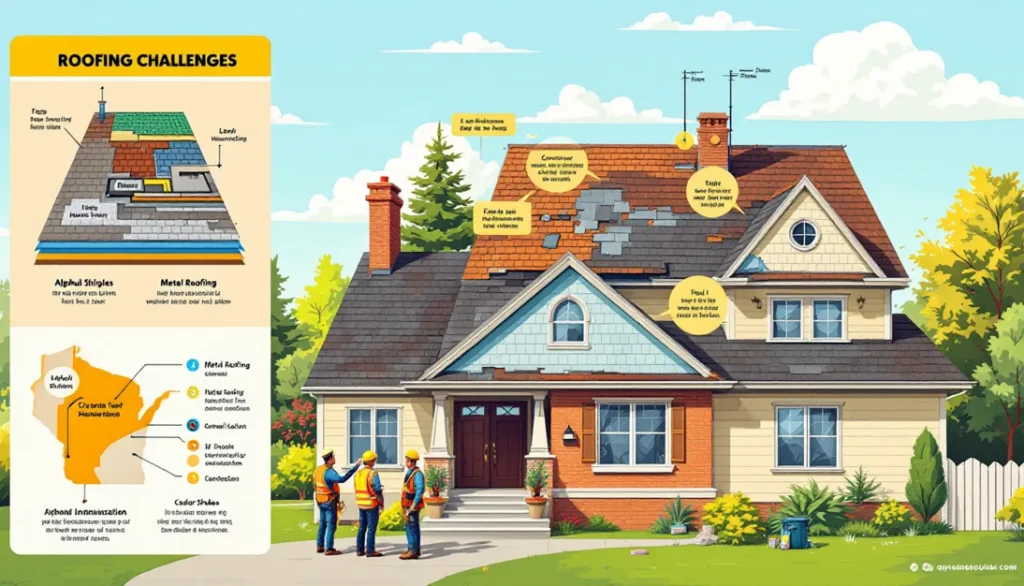
Regardless of your roofing type, regular maintenance is key to extending the lifespan of your roof and protecting your home from potential damage. Inspections should be conducted periodically to spot issues such as loose shingles, water damage, or other signs of wear and tear before they become major problems. Clearing debris and maintaining gutters are essential tasks to prevent water pooling and subsequent damage.
In Wisconsin’s humid and harsh winter conditions, moss and algae can thrive on roofs, necessitating regular cleaning and preventive treatments to protect the roofing materials. Staying proactive with roof maintenance helps homeowners avoid costly repairs and keep their roofs in good condition year-round, potentially reducing the need for roof replacement.
Cost Considerations for Wisconsin Roofing Projects
Planning a roofing project in Wisconsin requires considering both labor installation cost and material costs. Knowing that these expenses exist upfront can help Wisconsin homeowners budget effectively and make informed decisions about their roofing materials.
Labor Costs
Labor costs can significantly impact the overall expenses of a roofing project, often accounting for a substantial portion of the total budget. Contractor labor rates in Wisconsin vary depending on the type of roofing material being installed, with more complex materials requiring higher skilled labor and thus, higher costs. Factors such as local market demands, project complexity, and contractor experience also influence labor costs.
Account for both labor and material costs when budgeting for roofing projects to ensure a comprehensive understanding of total expenses. Considering these factors helps homeowners better plan for their roofing projects and avoid unexpected financial burdens.
Material Costs
Material costs play a crucial role in the overall expenses of roofing projects. Asphalt shingles are one of the most affordable roofing materials that you can purchase, while natural slate and synthetic roofs will require higher upfront material costs.
While higher quality materials come with increased upfront prices, they often offer better durability and longevity, which can save money in the long run. Comparing the costs and benefits of different roofing materials helps homeowners make the best choice for their budget and needs.
Improving Wisconsin Home Value and Appearance with a New Roof
Choosing the right roofing material is crucial for homeowners in Wisconsin, given the state’s harsh weather conditions. Insurance benefits of transitioning from an old degraded roof that is no longer insurable, to a new roofing type can also provide long term insurance cost savings. From popular options like asphalt shingles and metal roofs to durable choices such as slate, synthetic, and concrete tiles, each roofing type offers unique benefits and challenges.
Investing in a new roof can significantly enhance your home’s curb appeal, making it more attractive to potential buyers. A roof in poor condition can deter buyers and negatively impact home value, while a well-maintained roof provides a sense of security and reduces concerns about future repair costs.
Hiring experienced roofing contractors can lead to higher labor costs but may ensure better quality and durability, which can further improve home values. Investing in quality roofing materials and proper installation can boost a home’s curb appeal and potentially increase its market value.
By considering cost factors and taking advantage of financial incentives, homeowners can make informed decisions that improve their home’s value and comfort. Invest wisely in your roof—it’s an asset that protects your home and enhances its appeal.