Choosing the right asphalt shingle can feel confusing, especially when comparing dimensional shingles vs 3‑tab. Both options offer different levels of durability, appearance, and long‑term performance, but the right choice depends on your goals, climate, and budget.
Before we dive into the key differences, it helps to understand exactly what each shingle type is and how they’re built.
What Are Dimensional Shingles?
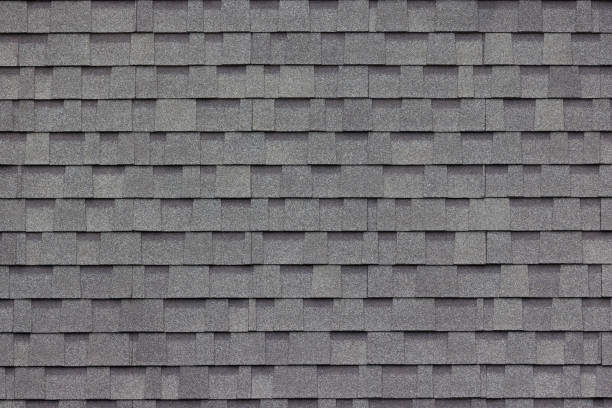
Dimensional shingles, also known as architectural shingles, three‑dimensional shingles, or dimensional roofing shingles, are asphalt shingles made with two or more fused layers. This layered construction gives them extra thickness and creates a shadowed, wood‑shake‑like appearance.
Because these shingles are engineered with multiple layers, they offer more depth, weight, and structural stability than traditional shingles. Manufacturers design them to mimic the natural variance found in cedar shakes or slate, giving rooftops a more elevated, high‑end look. They also tend to use stronger fiberglass mats and more robust adhesive systems, improving overall performance in harsh weather.
Here’s what sets dimensional shingles apart:
- Multi‑layered, textured design for added visual depth
- Longer lifespan compared to traditional shingles
- Higher wind ratings and improved impact resistance
- A wide range of dimensional shingle colors to match modern exterior designs
- More architectural character, making them popular in home upgrades and remodels
Their combination of durability, versatility, and curb appeal has made dimensional shingles the most commonly installed asphalt shingle across the U.S.
What Are 3-Tab Shingles?
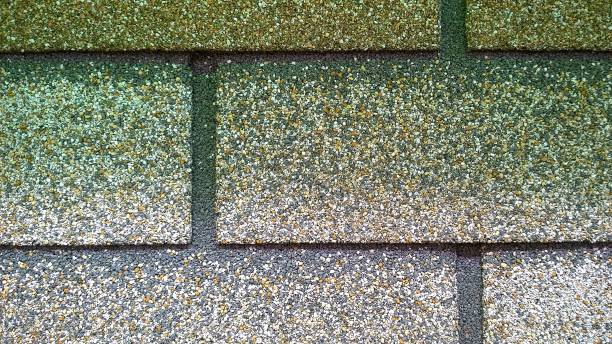
Before comparing the two, it’s important to understand the more traditional option, 3‑tab shingles.
These shingles get their name from the three uniform tabs cut into each strip. They are flat, single‑layered shingles with a consistent, symmetrical look that gives roofs a clean, simple aesthetic. Because they are thinner and lighter than dimensional shingles, they place less weight on the roof structure, but this also means they offer less protection.
In addition to their basic construction, 3‑tab shingles tend to show wear more quickly, especially in climates with frequent storms, high winds, or heavy UV exposure. Their uniform design also limits the depth and shadowing found in more modern shingle styles, making them a more utilitarian choice.
Key characteristics include:
- Lightweight, single‑layer construction
- Lower cost compared to dimensional shingles
- Shorter lifespan and reduced resistance to wind uplift
- Limited color and style variations
- More prone to curling, cracking, or granule loss over time
While 3‑tab shingles are more budget‑friendly, they have largely been replaced by dimensional shingles in new installations due to performance limitations.
Dimensional Shingles vs 3-Tab: Key Differences
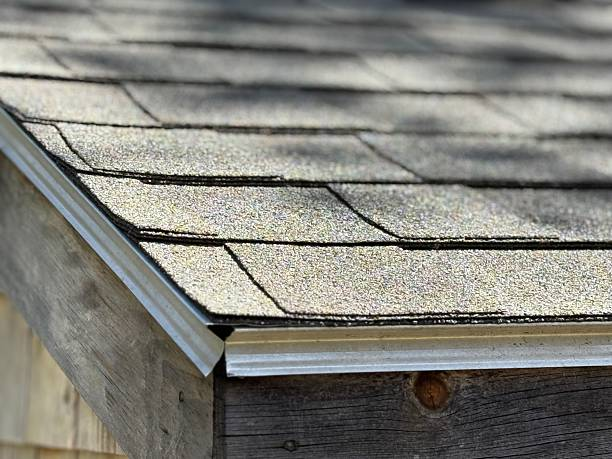
With the basics covered, here’s how 3‑tab vs dimensional shingles compare in terms of construction, durability, performance, and long-term value. This expanded section offers clearer insight along with an easy-to-read comparison chart.
1. Durability & Lifespan
Dimensional shingles are engineered with multiple fused layers that enhance strength and help them withstand harsh weather. Their reinforced structure helps prevent early wear, especially in regions with heavy wind or sun exposure.
- Dimensional shingles: Typically last 25–30+ years.
- 3‑tab shingles: Generally last 15–20 years and wear down faster.
2. Appearance & Style
A key difference between the two is overall curb appeal.
- Dimensional shingles: Textured, shadowed, and more visually dynamic, often resembling natural wood shakes.
- 3‑tab shingles: Flat, uniform appearance with fewer design variations.
3. Weather Performance
Performance during storms or wind events is one of the biggest separating factors.
- Dimensional shingles: Higher wind resistance (110–130 mph) and improved durability.
- 3‑tab shingles: Lower wind ratings (around 60 mph) and more prone to tearing.
4. Cost
While dimensional shingles have a higher initial cost, the long-term value tends to be stronger due to better lifespan and fewer repairs.
- Dimensional shingles: Higher upfront cost, stronger long-term value.
- 3‑tab shingles: Lower upfront cost, but shorter lifespan.
5. Warranty
Warranty coverage reflects the expected longevity of each product.
- Dimensional shingles: Frequently backed by extended or lifetime warranties.
- 3‑tab shingles: Typically offer more limited warranties.
Dimensional Shingles vs 3‑Tab: Comparison Chart
Here’s a quick comparison chart that highlights the key differences between dimensional and 3-tab shingles.
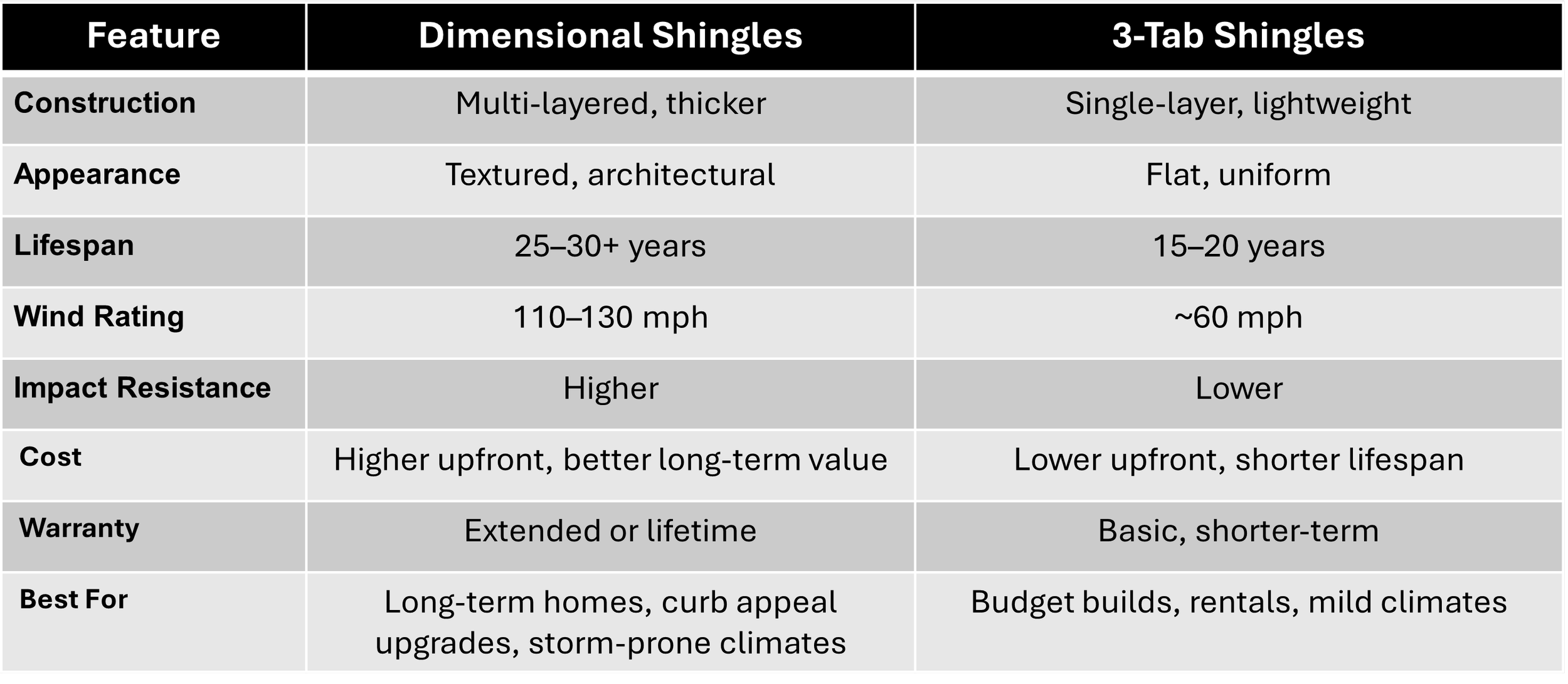
Disclaimer:This article provides general guidance on Dimensional shingles and 3-Tab Shingles. Feature may vary by manufacturer. Always consult to understand specific manufacturers and shingle products as this comparison chart may not be accurate.
Are Dimensional Shingles the Same as Architectural Shingles?
Yes, dimensional shingles and architectural shingles refer to the same product. Manufacturers use these terms interchangeably, though “architectural” is more common in product branding.
Both names describe shingles built with multiple layers for added depth, strength, and curb appeal.
Who Should Choose 3-Tab Shingles?
While 3‑tab shingles are becoming less common in new construction, they still suit certain situations and project types. Their budget-friendly nature and lighter weight make them a practical choice for property owners who don’t need the enhanced advantages of dimensional shingles. They perform best in stable, mild climates and on homes where a basic roofing profile is perfectly acceptable.
You might consider 3‑tab shingles if:
- You are renovating or maintaining a rental property or flip where cost control is a priority
- Your project requires the most affordable roofing option without added architectural detail
- The home is located in an area with minimal wind exposure or low storm activity
- You need a temporary or short‑term roofing solution before a larger renovation or sale
- A simple, uniform look fits the property’s design and budget goals
Even with these advantages, it’s important to weigh long‑term maintenance costs, as 3‑tab shingles typically require earlier replacement compared to dimensional shingles.
Who Should Choose Dimensional Shingles?
Dimensional shingles are an excellent fit for homeowners seeking a balance of longevity, appearance, and overall performance. Their added thickness and layered construction make them significantly more durable than standard 3‑tab shingles, especially in regions with wind, heat, or frequent storms. Because of their improved structural integrity and aesthetic appeal, they enhance both the function and the curb appeal of a home.
You may want to choose dimensional shingles if:
- You plan to stay in your home long‑term and want a roof that will last
- Your area experiences strong winds, heavy rain, or seasonal storm activity
- You want a shingle with deeper texture and a more high‑end, architectural look
- You’re interested in improving resale value or modernizing an older home
- You want access to more color, shadowing, and design options
Due to their superior durability and broader design flexibility, dimensional roof shingles have become the standard recommendation for most residential roofing projects today.
Is There a Better Option Than Dimensional Shingles?
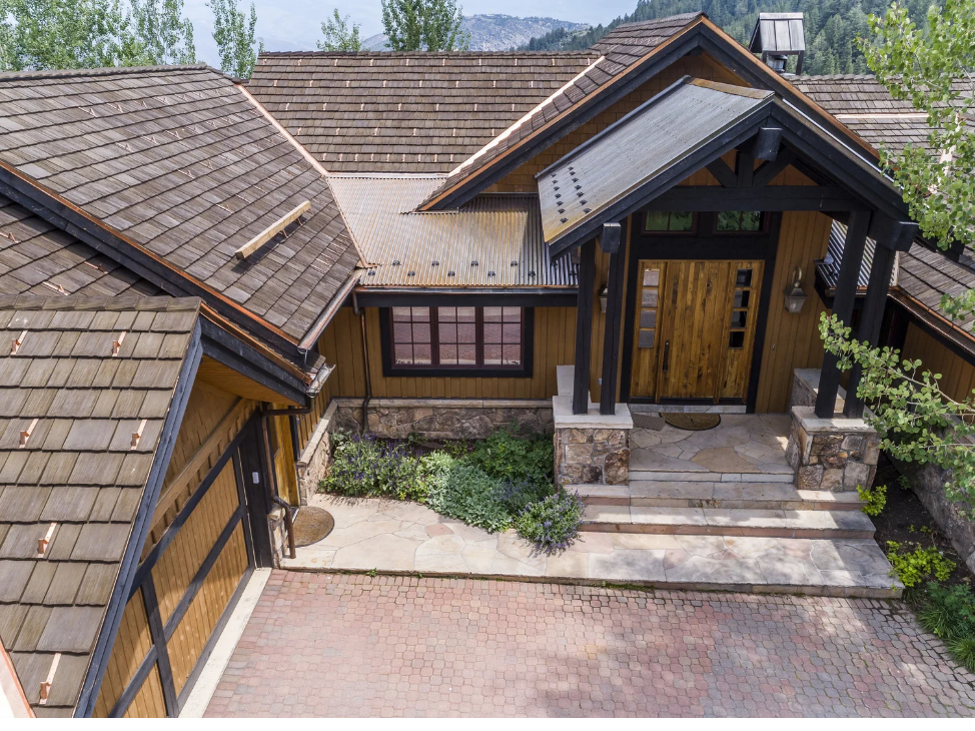
While dimensional shingles outperform 3‑tab in nearly every category, some homeowners prefer roofing materials that offer even greater longevity, strength, and protection. For those seeking premium performance, especially in areas prone to hail, heavy sun exposure, or wildfires, synthetic options can provide benefits that traditional asphalt simply can’t match.
Why Consider Premium Roofing Materials?
Premium alternatives deliver enhanced durability, superior weather resistance, and longer lifespans. They also maintain their appearance better over time, reducing fading, cracking, and curling. These solutions can be especially appealing for homeowners who plan to stay in their homes for decades or who want a truly elevated exterior look.
Premium Roofing Alternatives Include:
- Impact‑resistant asphalt shingles designed to withstand hail and debris
- Metal roofing panels known for lifespan and fire resistance
- Designer asphalt shingles with deeper cuts and high‑end aesthetics
- Synthetic shake roofing (like CEDUR) offering premium durability and appearance
Why CEDUR Is a Better Option Than Dimensional Shingles
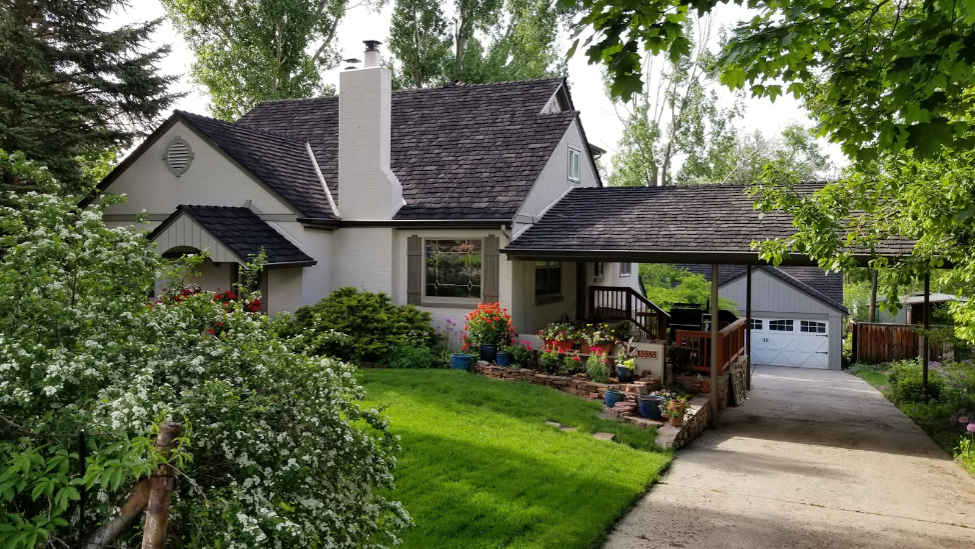
Among premium alternatives, CEDUR synthetic shake roofing stands out as a top-tier choice. Unlike asphalt shingles, dimensional or otherwise, CEDUR shakes are engineered to combine the authentic beauty of natural wood with unmatched performance in harsh climates.
Here’s why homeowners choose CEDUR over dimensional shingles:
1. Remarkable Durability
CEDUR shakes are manufactured using a proprietary polyurethane material that resists cracking, splitting, and granule loss, issues that commonly affect asphalt shingles over time. Their dense, high-performance structure provides long-lasting protection for decades.
2. Class A Fire Rating
While asphalt shingles can ignite in severe fire conditions, CEDUR shakes come with a Class A fire rating, the highest rating available. This added protection brings peace of mind in wildfire-prone regions and areas with strict building codes.
3. Superior Impact Resistance
CEDUR’s composition provides industry-leading impact resistance, making it an excellent choice for homes in hail zones or regions that experience frequent storms.
4. Natural Wood Appearance
Where dimensional shingles attempt to mimic wood shakes through layered asphalt, CEDUR replicates the look of authentic cedar with detailed grain patterns and rich shadowing. The result is a high-end, luxury aesthetic that enhances curb appeal instantly.
5. Lightweight & Easy to Install
Despite their durability, CEDUR shakes are lightweight, eliminating the need for structural reinforcement that natural wood or heavy roofing materials might require.
6. Long-Term Value
With superior longevity and minimal maintenance requirements, CEDUR provides exceptional long-term value. Homeowners often see a strong return on investment through reduced repair needs and increased property appeal.
Which Roofing Option Delivers the Best Value?
When comparing dimensional shingles vs 3‑tab, the differences in durability, appearance, and long-term performance are significant. Dimensional shingles offer greater resilience, a more appealing aesthetic, and stronger warranties, factors that make them the preferred choice for most homeowners.
However, for those looking to move beyond the limitations of asphalt entirely, CEDUR synthetic shakes provide a premium alternative with unmatched durability, fire resistance, and natural wood appeal. Their long-term value and minimal maintenance requirements make them an ideal option for homeowners seeking a truly elevated roofing system.
By understanding the strengths and limitations of each roofing material, you can choose the solution that best aligns with your home’s needs, your climate, and your long-term goals. To learn more or get personalized guidance, contact CEDUR today and explore fire-resistant roofing options designed for lasting performance.