For homeowners in storm-prone areas, roofing decisions aren’t just about aesthetics—they’re about protection. Class 4 impact-resistant shingles, the highest rating available under the UL 2218 testing standard, are engineered to stand up to severe weather, especially hail. But what does this rating mean, and why is it important when protecting your home?
In this article, we’ll explore how Class 4 shingles work, what makes them different from traditional roofing materials, and why CEDUR’s synthetic roofing products offer one of the most advanced solutions on the market.
What Are Class 4 Shingles?
Class 4 shingles are impact-resistant roofing materials that have passed the most rigorous level of the UL 2218 steel ball test. This test simulates the effects of hailstones striking a roof at high velocity. Class 4 is the highest possible rating—meaning the shingles show no evidence of cracking or rupturing when hit with a 2-inch steel ball dropped from 20 feet.
Key features of Class 4 roof shingles:
- Maximum impact resistance
- Ideal for hail-prone regions like Texas, Colorado, Oklahoma, and the Midwest
- Often qualify for insurance premium discounts
Understanding UL 2218 Class 4 Roofing
UL 2218 is a standardized impact resistance test developed by Underwriters Laboratories. Roofing products are rated from Class 1 (lowest) to Class 4 (highest) based on their ability to withstand hail-like impacts without splitting, cracking, or rupturing.
How the test works:
- Steel balls of varying sizes are dropped from specific heights onto the roofing sample.
- A Class 4 rating means the material resisted damage from a 2-inch ball dropped from 20 feet.
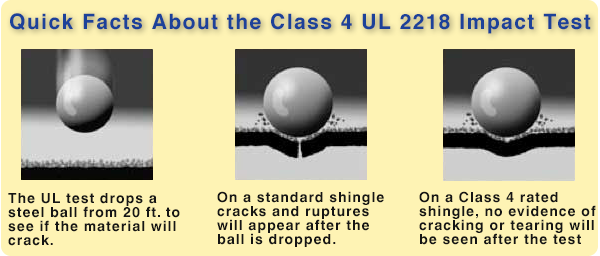
This level of durability helps ensure your roof can withstand common storm threats, saving homeowners on costly repairs after hailstorms or debris impact.
Benefits of a Class 4 Impact-Resistant Roof
Building a new home or replacing an old roof? Investing in Class 4 impact-resistant shingles offers multiple long-term benefits:
- Superior Hail Protection: Helps guard against roof damage from hail and wind-blown debris.
- Lower Maintenance Costs: With less storm damage, fewer repairs are needed over time.
- Insurance Savings: Many insurers offer premium discounts for Class 4 roofs.
- Increased Resale Value: Buyers in storm-prone areas appreciate a durable, long-lasting roof.
- Peace of Mind: Less stress about sudden storm-related expenses.
Are Class 4 Shingles Worth the Cost?
Short answer: yes. Class 4 impact resistant shingles cost more upfront, but the savings on repairs and potential insurance discounts often make up for the difference.
Average cost comparison:
- Standard asphalt shingles: $3.50–$6.00 per sq. ft.
- Class 4 asphalt or composite shingles: $6.00–$14.00 per sq. ft.
When you factor in longevity, reduced maintenance, and curb appeal, Class 4 options—especially advanced composite materials like CEDUR—offer excellent value.
Why Choose CEDUR for a Class 4 Impact-Resistant Roof?
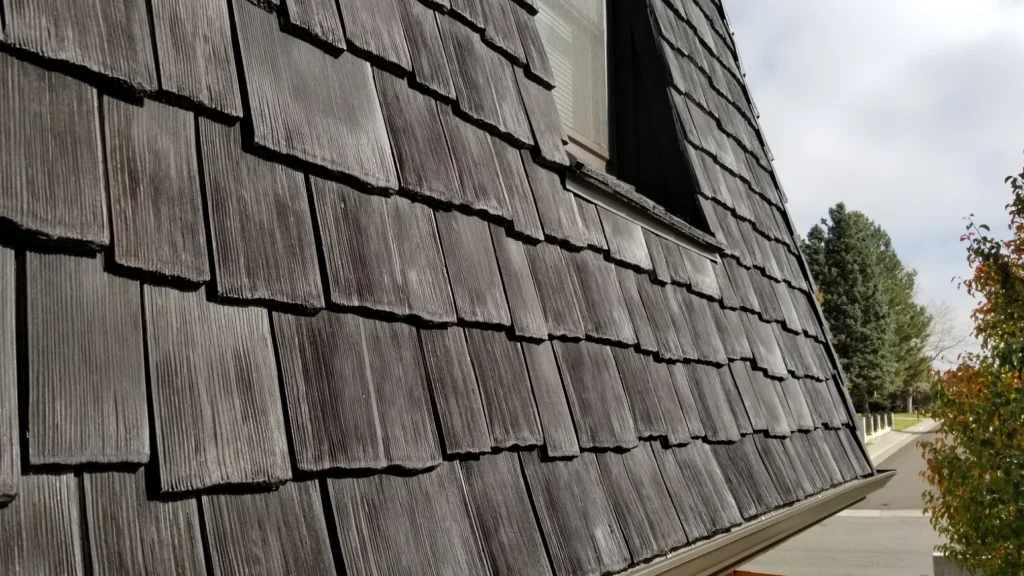
CEDUR’s synthetic roofing shakes are engineered to deliver beauty, durability, and protection. CEDUR products are UL 2218 Class 4 certified and designed to resemble the rich appearance of natural wood, without the vulnerabilities.
CEDUR Class 4 Features:
- Certified UL 2218 Class 4 impact resistance
- Class A Fire Rating
- Wind resistance up to 115 mph
- 50 Year Lifetime Limited Warranty
- Lightweight and easy to install
- Low maintenance
CEDUR products are especially ideal for upscale homes in hail-prone regions, providing both architectural appeal and high performance.
Frequently Asked Questions
What is a Class 4 roof?
A Class 4 roof is a roofing system that has earned the highest rating for impact resistance under UL 2218 testing. It can withstand simulated hail impacts without cracking.
Are Class 4 shingles worth the investment?
Yes. They reduce long-term repair costs, may qualify for insurance discounts, and extend your roof’s lifespan.
How long do Class 4 impact resistant shingles last?
High-quality Class 4 shingles, like CEDUR’s synthetic shakes, can last 30–50 years depending on climate and maintenance.
Does a Class 4 roof lower insurance premiums?
In many states, yes. Insurance companies often reward Class 4 roofing with lower premiums or deductible reductions.
Explore CEDUR’s Class 4 Roofing Solutions
If you’re looking for the best class 4 shingles for hail protection, long-term durability, and luxury curb appeal, CEDUR delivers. Visit our product page to learn more or explore our hail performance resources to see how CEDUR performs in extreme conditions.