Top 10 Sustainable Building Materials for Eco-Friendly Construction
Do you want to build more eco-friendly and sustainable structures while being environmentally conscious? Sustainable building materials, including environmentally friendly building products, can help reduce environmental impacts and promote resource efficiency. Recycled materials, such as reclaimed wood, metal, and glass, significantly reduce construction waste and help conserve natural resources, while also enhancing building performance and durability.
Renewable materials like bamboo and cork, as well as agricultural byproducts such as straw bales, offer sustainable alternatives with minimal environmental impact and contribute to long-term energy efficiency. In this article we cover 10 sustainable building materials that you can use, and we will explain their benefits so that you have a more thorough understanding of the advantages associated with implementing sustainable building materials during construction.
Recycled Materials Used in Sustainable Construction
Recycled materials in construction
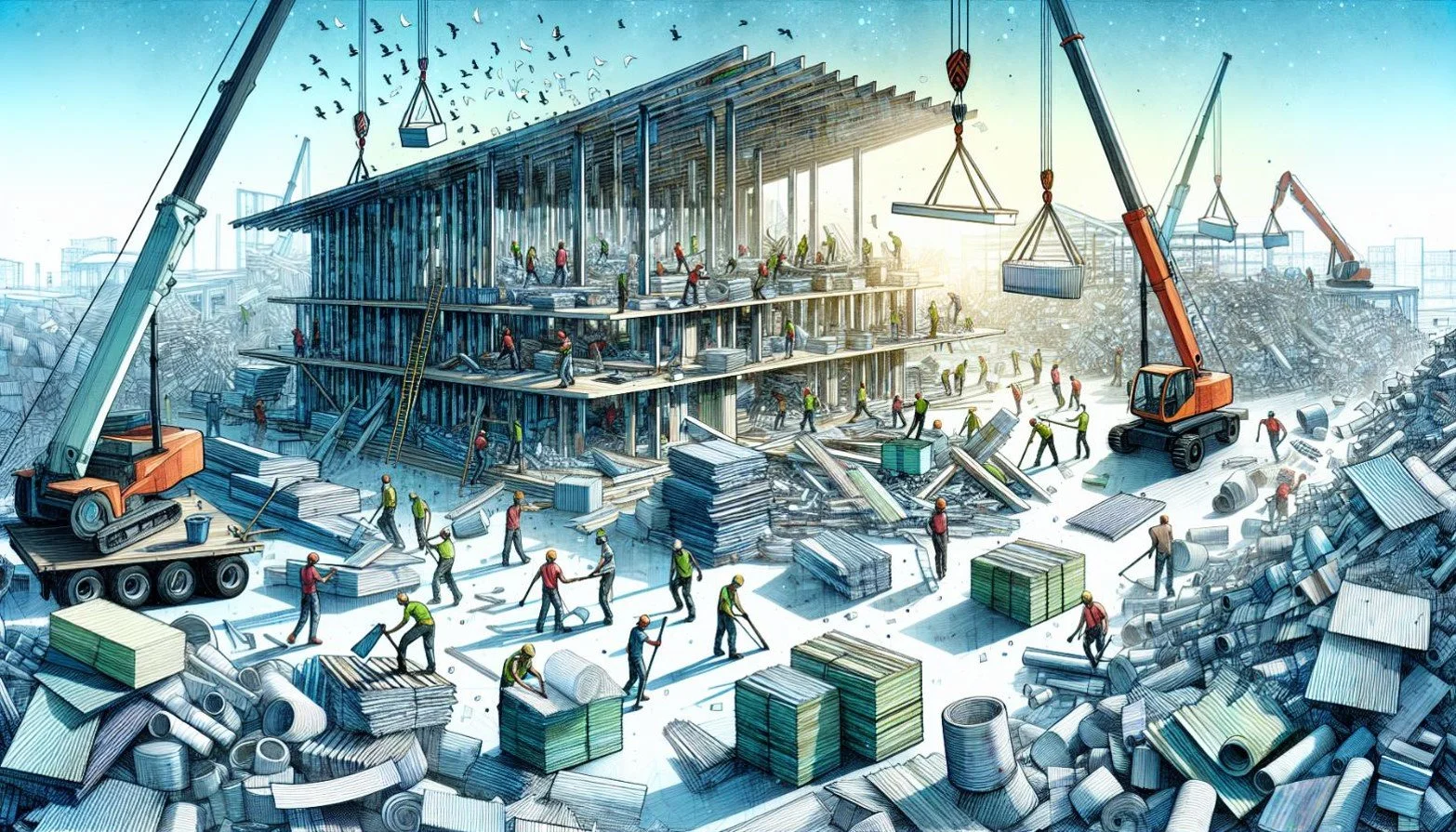
The construction industry is notoriously wasteful, generating an estimated third of the world’s overall waste and over 40% of global carbon dioxide emissions. Using recycled materials in construction helps minimize waste, reduce carbon emissions, and conserve natural resources, while also enhancing building performance and durability. It’s a win-win for both the environment and the construction industry, especially in terms of sustainability and resource management.
Significant reduction in environmental impacts can be achieved through the utilization of recycled materials. The concept of the circular economy emphasizes the importance of recycling and repurposing materials to create a closed-loop system, reducing waste and conserving resources. Some examples of materials that can be smoothly repurposed in sustainable building design include:
- Recycled metal
- Recycled wood
- Recycled glass
- Recycled paper
By using these types of materials and implementing effective operational and maintenance practices, we can help minimize waste and conserve natural resources.
Recycled materials offer several environmental benefits:
- Recycled steel significantly reduces the environmental impact of steel production and consumes less energy.
- Reclaimed wood salvaged from old structures not only decreases the demand for new logging but also adds unique character to construction projects.
- Recycled hardwood floors sourced from old buildings reduce waste and the need to cut down new trees, thus mitigating deforestation.
- Recycled metal tiles made from scrap pieces of aluminum, copper, or brass keep finite resources out of landfills.
Incorporating recycled glass into construction is another effective strategy. Recycled glass tiles, often made from discarded bottles and broken windows, prevent non-biodegradable materials from ending up in landfills. Even recycled plastic finds new life in roofing materials, insulation, and structural components. The integration of recycled materials into construction not only contributes to sustainable design but also enhances building performance and durability.
1. Renewable Materials for Sustainable Buildings
Renewable materials for sustainable buildings
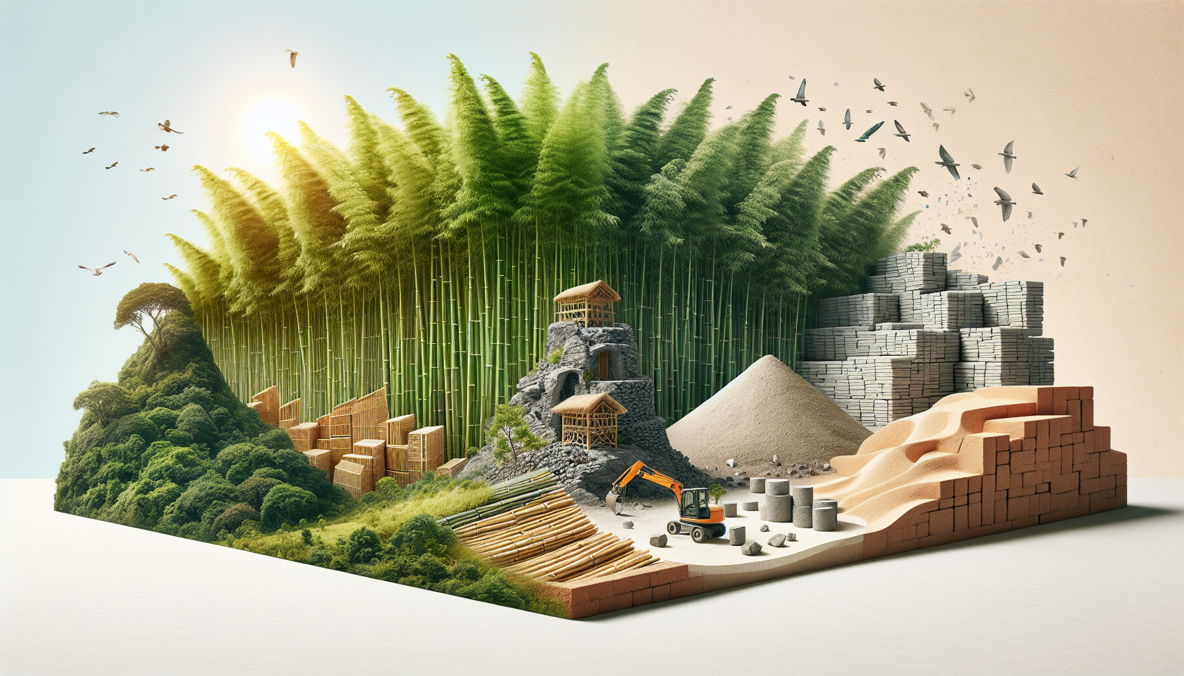
Renewable materials are at the heart of sustainable building practices. Materials such as bamboo, cork, and straw bales are naturally available, have minimal environmental impact, and promote long-term resource sustainability. These materials exemplify sustainable design principles, offering energy efficiency and reducing non-renewable energy consumption. Additionally, they are often sourced through sustainable production systems, ensuring that the materials are renewable and responsibly harvested.
Below are renewable materials that can be used as an alternative to fossil fuels.
Bamboo
Bamboo stands out as a superstar in the natural world due to its incredible growth rate and versatility. This fast-growing renewable resource can grow up to several feet in a single day, making it an ideal choice for sustainable construction projects. Bamboo is considered a sustainable building material because it is a fast-growing renewable resource with comparable strength to wood, absorbs more CO2 than trees, and is versatile for various construction applications. Its strength is comparable to that of traditional wood, and it is used in various applications, including:
- Scaffolding
- Roofing
- Flooring
- Furniture
- Paper production
Utilizing bamboo in construction supports sustainable practices and fosters human health and physical well-being. Its natural properties make it a durable and eco-friendly material, perfect for those looking to minimize their carbon footprint while building resilient structures. Bamboo’s role in sustainable building design is a testament to the innovative use of natural materials in modern construction.
Cork
Cork is another remarkable renewable material, harvested from the bark of cork oak trees. What makes cork truly sustainable is that:
- The bark regenerates after harvesting, allowing the tree to continue growing and producing more cork.
- This natural process ensures a continuous supply of raw materials without harming the trees.
- Cork’s unique cellular structure makes it an excellent natural insulator, providing effective thermal and acoustic insulation.
Moreover, cork has several eco-friendly properties that make it a preferred choice for sustainable building projects:
- It is mold-resistant
- It is harvested by hand, ensuring minimal environmental impact
- It has a lower carbon footprint
- It enables carbon emissions reduction
- It encourages the use of renewable resources in the building industry
Incorporating cork in construction can help promote sustainability and reduce the environmental impact of buildings.
Straw Bales
Straw bales, a byproduct of grain production, provide an accessible and eco-friendly building material. Their use in construction not only helps reduce waste but also offers excellent insulation properties, contributing to energy efficiency in sustainable buildings. Straw bales are a testament to how agricultural byproducts can be repurposed into valuable construction materials.
The insulating properties of straw bales help maintain comfortable indoor temperatures, reducing the need for additional heating and cooling. This energy-efficient characteristic aligns with sustainable design principles, making straw bales a practical and environmentally friendly choice for modern construction. Utilizing straw bales enables the creation of energy-efficient, sustainable, and cost-effective structures.
2. Low-Impact Concrete Alternatives
Low-impact concrete alternatives
Traditional concrete production is a significant contributor to carbon emissions, but low-impact concrete alternatives offer a greener solution. These alternatives, such as fly ash concrete, hempcrete, and recycled aggregate concrete, incorporate waste materials and require less energy for production, thus reducing the environmental footprint of construction projects. Additionally, these low-impact options often utilize environmentally preferable materials, further enhancing their eco-friendly benefits.
Let us explore innovative materials and their benefits below.
Hempcrete
Hempcrete, made from hemp fibers, is a lightweight and sustainable alternative to traditional concrete. Its superior thermal insulation properties make it an excellent choice for eco-friendly construction.
Some benefits of using hempcrete include:
- Lightweight construction material
- Excellent thermal insulation
- Non-toxic and breathable material
- Sustainable and renewable source
- Reduces carbon footprint
Hempcrete is significantly lighter than traditional concrete, reducing the load on foundations and making construction easier and more efficient.
One of the standout features of hempcrete is its breathability, which helps regulate indoor humidity levels and improve indoor air quality. This natural material is easy to grow and produce, making it an accessible option for sustainable building projects. The use of hempcrete facilitates the creation of energy-efficient buildings that are both environmentally friendly and comfortable for occupants.
Fly Ash Concrete
Fly ash, a byproduct of coal combustion, can be mixed with cement to enhance the durability and strength of concrete while reducing its environmental impact. Incorporating fly ash allows for the replacement of up to 50% of the cement in concrete mixtures, thus rendering it a cost-effective and sustainable building materials option.
Benefits of fly ash concrete include:
- Improved workability
- Enhanced durability and strength
- Reduced need for water in the mixture
- Reduced environmental impact
Overall, fly ash concrete is a great choice for sustainable construction.
The use of fly ash in concrete offers several benefits:
- Enhances the long-term strength and durability of the material
- Reduces the heat of hydration, making it suitable for mass concrete applications
- Aligns with sustainable building design principles by promoting the use of recycled materials
- Reduces carbon emissions
This innovative approach to concrete production is a win-win for both the environment and construction industry.
Recycled Aggregate Concrete
Recycled aggregate concrete offers several construction benefits:
- It uses crushed concrete from demolished structures as a substitute for natural aggregates.
- It reduces the need for new raw materials and helps conserve natural resources.
- It reduces overall CO2 emissions from construction projects.
- Incorporating recycled aggregates enhances the stability of concrete.
The use of recycled aggregates in concrete offers several benefits, including:
- Diverting construction and demolition waste from landfills
- Promoting a circular economy and minimizing waste
- Aligning with the principles of environmentally preferable materials
- Supporting the creation of eco-friendly buildings that are durable and resource-efficient.
3. Sustainably Sourced Wood Products

Sustainably sourced wood products
Sustainably sourced wood products play a crucial role in eco-friendly construction. The Forest Stewardship Council (FSC) certification ensures that wood products come from sustainably managed forests that protect wildlife and water sources. FSC-certified forests adhere to strict standards that prevent deforestation and excessive clearcutting, promoting sustainable forest management. This approach aligns with the principles of sustainable development, ensuring that natural resources are used responsibly for the benefit of future generations.
Buying FSC-certified lumber supports sustainable practices and contributes points to LEED certification for buildings. There are three types of FSC certification labels: FSC 100%, FSC Recycled, and FSC Mixed, each ensuring that the wood products meet high standards of sustainability. Choosing FSC-certified wood enables the creation of sustainable buildings that are both environmentally responsible and aesthetically pleasing.
4. Eco-Friendly Insulation Options
Eco-friendly insulation options
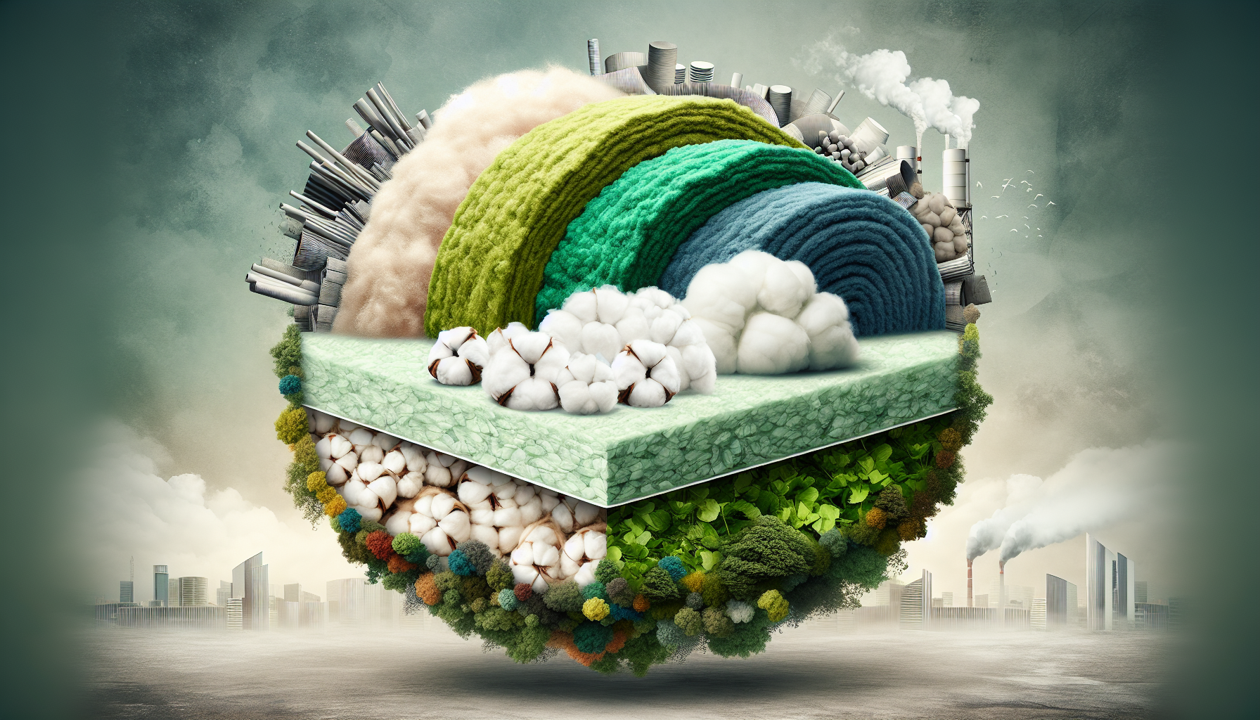
Insulation is a critical component of energy-efficient buildings. Eco-friendly options like cellulose, sheep wool, and cotton insulation offer sustainable and efficient alternatives to traditional materials. These natural insulators provide excellent thermal performance and reduce the environmental impact of construction projects. Additionally, they enhance the environmental performance of buildings by minimizing energy consumption and carbon footprint.
The specifics of these insulation materials are delved into below.
Cellulose Insulation
Cellulose insulation is primarily made from recycled paper products like newsprint and cardboard, making it a biodegradable and eco-friendly option. It offers the following benefits:
- Good thermal resistance, with an R-value typically ranging from R-3.5 to R-4 per inch
- Enhanced fire resistance due to treatment with borate compounds
- Reduced pest infestation
These qualities contribute to energy efficiency in existing buildings, paving the way for energy independence.
The use of cellulose insulation aligns with sustainable design principles, promoting the use of recycled materials and reducing long-term environmental impact. Incorporating cellulose insulation offers the following benefits:
- Promotes the use of recycled materials
- Reduces long-term environmental impact
- Creates comfortable indoor environments
- Improves energy efficiency
- Supports sustainable design principles
Sheep Wool Insulation
Sheep wool insulation is a natural, renewable, and biodegradable option that offers excellent thermal and acoustic insulation properties and requires less energy to produce than traditional materials. Here are some key benefits of sheep wool insulation:
- Sheep wool has zero ozone depletion potential.
- It can be remanufactured or biodegraded at the end of its useful life.
- Wool’s natural crimp traps air, providing superior heat insulation and contributing to energy efficiency.
Sheep wool insulation also provides benefits such as air purification, humidity regulation, and fire protection. It requires significantly less energy to produce than traditional insulation materials and is safe to handle without protective clothing. The use of sheep wool insulation enhances indoor environmental quality and promotes sustainable building practices.
Cotton Insulation
Cotton insulation, often made from recycled denim and other cotton textiles, is a sustainable and non-toxic option for insulation. Treated with boric acid, it is flame retardant and insect-resistant, ensuring safety and durability in construction projects. Cotton insulation offers a green alternative to traditional materials, supporting the use of recycled materials and reducing environmental impact.
The use of cotton insulation offers several benefits, including:
- Aligning with sustainable design principles
- Promoting indoor environmental quality
- Minimizing health risks associated with toxic substances
- Creating healthier and more sustainable buildings that benefit both occupants and the environment.
5. Green Roofing Materials
Green roofs provide numerous environmental benefits, making them an essential component of sustainable building design. They reduce the need for air conditioning energy consumption in summer months and provide insulation in winter, significantly cutting home energy consumption. Additionally, green roofs have a positive environmental impact by converting CO2 into oxygen and filtering particulate matter, enhancing air quality and contributing to climate change mitigation.
Overall, green roofs benefit the environment by reducing energy consumption, improving air quality, supporting biodiversity, managing stormwater, and extending the lifespan of roofing materials.
Green roofs offer several benefits:
- The presence of a green roof can extend the lifespan of roofing materials by protecting them from sun, wind, and rain, making it a durable and sustainable option.
- They support biodiversity by providing nesting sites for birds, bees, butterflies, and other insects.
- They help manage stormwater by holding excess rainwater and releasing it gradually, reducing the risk of flooding.
6. Sustainable Flooring Solutions
Sustainable flooring options are vital for eco-friendly construction. Natural stone, eco-friendly carpets, and innovative materials like HempWood offer sustainable and durable solutions that reduce environmental impact and promote recycling. These are considered environmentally preferable products due to their minimal ecological footprint. Sustainable flooring materials are explored in more detail below.
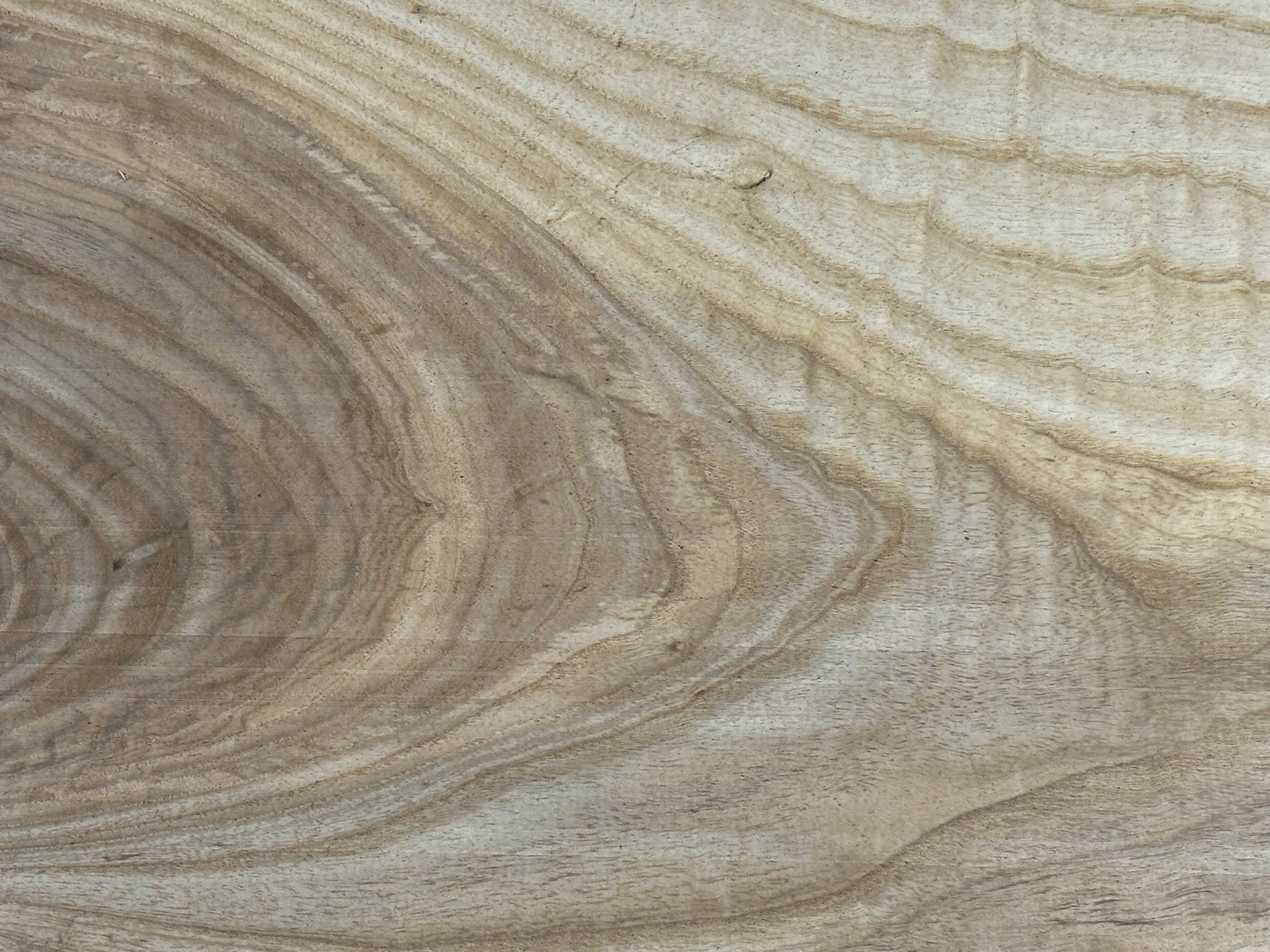
Linoleum
Linoleum is a sustainable flooring solution made from natural materials such as linseed oil, wood flour, and cork dust. Its durability is noteworthy, with a lifespan of over 20 years, making it a long-lasting option for flooring. At the end of its lifecycle, linoleum is compostable with other biodegradable materials, reducing waste and promoting a circular economy.
The use of linoleum in construction supports sustainable practices and aligns with environmentally preferable products. Choosing linoleum enables the creation of eco-friendly interiors that are both aesthetically pleasing and environmentally responsible.
Terrazzo
Terrazzo flooring is an aesthetically appealing and eco-friendly option that incorporates recycled materials such as glass and stone chips into a concrete or resin base. This innovative use of recycled materials helps minimize waste and reduce the demand for new raw materials, aligning with sustainable design strategies. The versatility of terrazzo allows for a variety of design possibilities with different colors and patterns, making it a popular choice for both residential and commercial spaces.
The environmental benefits of terrazzo include:
- Durability, leading to a long lifespan and reduced need for replacements
- Use of recycled materials
- Minimization of waste
- Creation of beautiful, sustainable interiors
7. Innovative Sustainable Building Products
Innovative sustainable building products like cross-laminated timber (CLT), structural insulated panels (SIPs), and low-energy LED lights are revolutionizing the construction industry. These products contribute to eco-friendly construction and improved energy efficiency, supporting the creation of healthy and productive environments. Additionally, they are often developed through sustainable production systems, ensuring that the sourcing and manufacturing processes are environmentally responsible.
The specifics of these cutting-edge materials are dived into below.
Cross-Laminated Timber (CLT)
Cross-laminated timber (CLT) is a type of mass timber made from layers of wood glued together to form strong and lightweight structural elements. CLT offers a smaller carbon footprint compared to traditional construction materials like steel, making it an eco-friendly option. Additionally, the production of CLT generates less waste as it utilizes small pieces of wood that might otherwise be discarded.
CLT’s improved seismic performance due to its lightweight and flexible nature makes it a valuable material for construction in earthquake-prone areas. Incorporating CLT into sustainable building design enables the creation of structures that are both environmentally responsible and resilient.
Structural Insulated Panels (SIPs)
Structural insulated panels (SIPs) offer the following benefits:
- Superior insulation properties, reducing overall energy consumption and improving the energy efficiency of buildings
- Prefabricated panels that are easily assembled on-site, leading to faster construction times and reduced labor costs
- Contribution to sustainable building design by enhancing building performance and supporting the use of environmentally preferable products
The use of SIPs aligns with sustainable design principles, promoting energy efficiency and reducing the environmental impact of construction projects. Incorporating SIPs into building design enables the creation of energy-efficient structures that are both cost-effective and environmentally friendly.
8. Locally Sourced and Produced Materials
Using locally sourced materials in construction projects offers several benefits:
- Supports local businesses
- Reduces transportation emissions
- Ensures faster delivery
- Often has a smaller carbon footprint compared to materials transported over long distances
- Promotes sustainable production systems and reduces environmental impact
- Supports the growth of local suppliers and small businesses
- Contributes to sustainable development by fostering sustainable development practices.
Local sourcing of materials offers several benefits:
- Minimizes waste and supports the circular economy by reducing the need for extensive transportation and storage
- Aligns with environmentally preferable materials, promoting the use of natural resources and durable materials in construction
- Enables the creation of sustainable buildings that benefit both the environment and local communities
9. Non-Toxic and Low-VOC Materials
Indoor air quality is a critical aspect of sustainable building design. Non-toxic and low-VOC materials (volatile organic compounds) contribute to improved indoor environmental quality and are safer for those with allergies and chemical sensitivities. Additionally, these materials enhance environmental performance by reducing harmful emissions an promoting a healthier indoor environment.
Low-VOC and zero-VOC paints have been developed to meet new regulations and consumer demand, using water as a carrier instead of petroleum-based solvents, resulting in lower harmful emissions.
Zero-VOC paints, defined by having VOCs in the range of 5 grams per liter or less, still perform well in terms of coverage and scrub ability, making them a durable and cost-effective option. Natural paints made from ingredients like water, plant oils, resins, and minerals give off almost no smell, unlike oil-based ones which may have unpleasant fragrances. The use of non-toxic and low-VOC materials facilitates the creation of healthier indoor environments that promote well-being and sustainability.
10. Compressed Earth Blocks
Compressed earth blocks are made from compressed earth which includes ingredients like inorganic subsoil, sand, non expansive clay, and aggregate. They are durable, energy-efficient, and have superb thermal mass, all of which suit sustainable building practices. Compressed earth blocks can be utilized as bricks to construct walls while offering a sustainable and eco-friendly construction option.
Consider a Synthetic Roofing Material
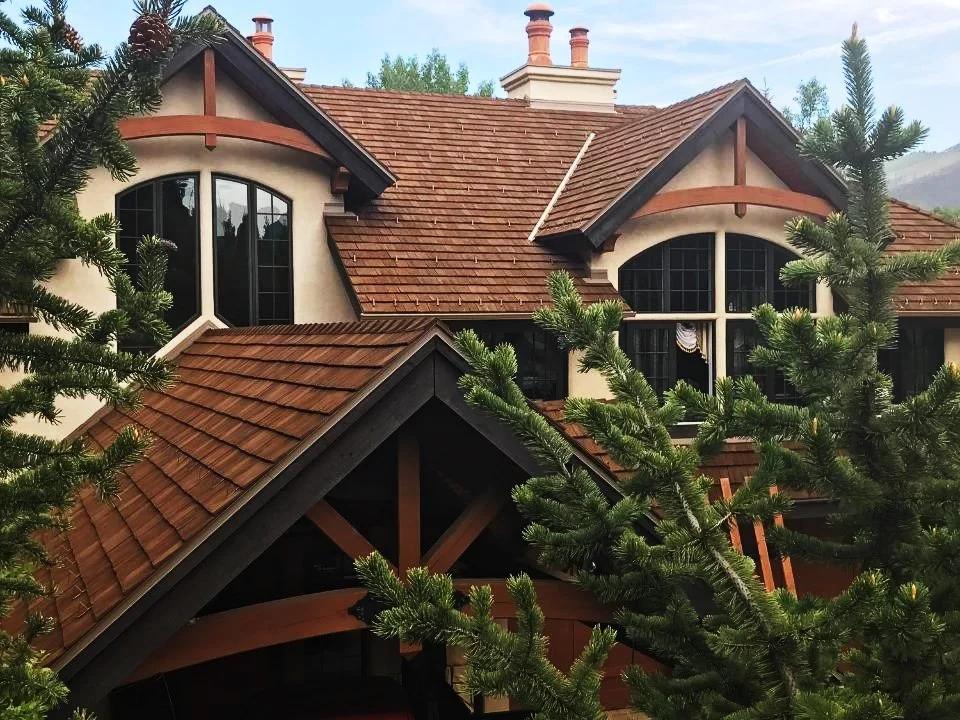
Sustainable building materials offer a pathway towards environmentally responsible construction practices, promoting resource conservation and reducing carbon emissions. These options offer durability, energy efficiency, and aesthetic appeal. If you want to implement sustainable constriction materials, it is important to not overlook the roof. CEDUR manufactures synthetic roofing products that are indistinguishable from natural cedar shakes and provide modern day performance characteristics. CEDUR Synthetic Roofing Products are designed and engineered to replicate the appearance of heavy hand split natural cedar shakes while providing superior performance characteristics.
Throughout this exploration of sustainable building materials, we’ve seen how innovative and eco-friendly options can transform the construction industry. From recycled metals and renewable resources like bamboo and cork, to low-impact concrete alternatives and non-toxic insulation, each material contributes to reducing environmental impact and promotes sustainability. Incorporating these materials into building design not only supports sustainable practices but also enhances building performance and occupant well-being.
As we move towards a more sustainable future, it’s crucial to embrace these eco-friendly building materials and practices. By making informed choices and prioritizing sustainability in construction, we can create resilient, energy-efficient, and environmentally responsible buildings. By embracing sustainable building materials, construction projects can contribute to a greener future while creating healthy and comfortable living spaces for inhabitants. Let’s take these insights and apply them to our projects, contributing to a greener, healthier planet.