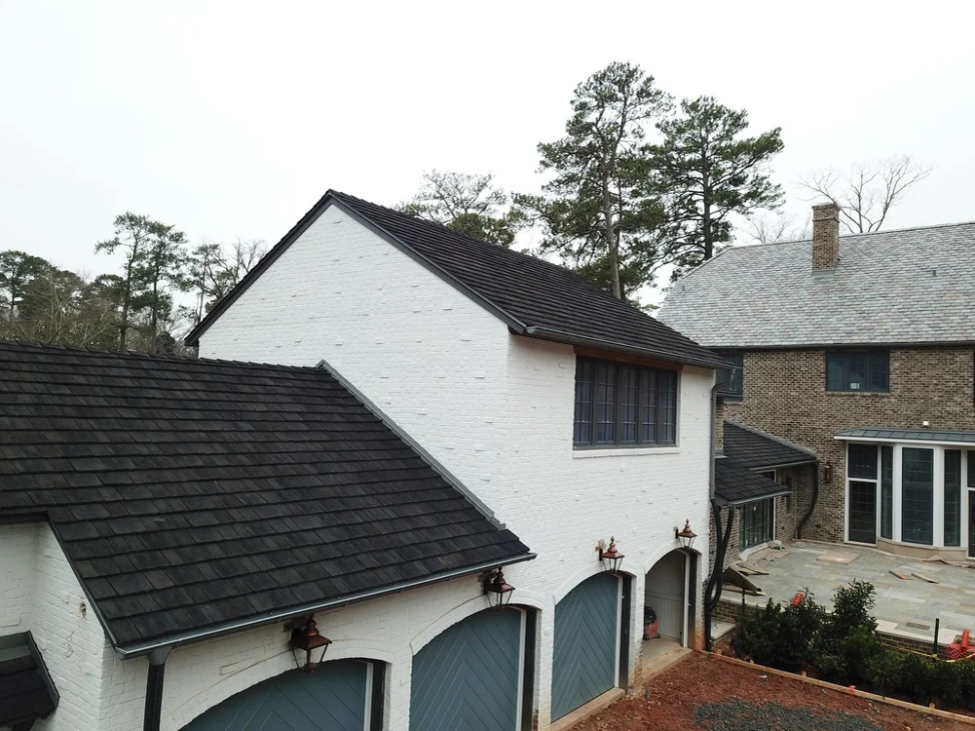
Choosing the right roofing material can be challenging, especially with so many products marketed as durable and long-lasting. One of the most common options for homeowners is the composition roof, built from asphalt-based shingles designed to balance cost and performance. But is this type of roofing truly the best fit for your home? Or are there stronger alternatives worth considering?
This guide outlines what composition shingles are, how they perform, where they fall short, and what alternatives can offer better long-term value.
What Is a Composition Roof?
A composition roof is a roofing system made from asphalt-based shingles strengthened with fiberglass mats and coated with mineral granules. These blended materials, or “compositions” are engineered to provide a mix of affordability, weather protection, and ease of installation.
Composition roofs have been widely used in the United States for decades due to their versatility and availability. They can suit many home styles, budgets, and climates, making them a go-to choice for roofing contractors.
What Are Composition Shingles?
Before diving into performance, it helps to understand what composition shingles are made of.
Composition shingles, also called asphalt composition shingles, consist of:
- A fiberglass reinforcement mat
- Asphalt layers for waterproofing
- Mineral granules for UV protection and color
These shingles come in several categories, including:
- 3-tab shingles (entry-level)
- Architectural shingles (dimensional, more durable)
- Designer or premium shingles (thicker profiles, higher aesthetic appeal)
They are designed to handle everyday weather exposure but vary in durability depending on quality and climate.
Advantages of Composition Shingles
Composition shingles remain popular for good reasons. Many homeowners appreciate the balance they offer between cost and performance, especially when compared to premium materials.
They provide:
- Affordable initial installation, making them accessible for most budgets
- A wide range of colors and profiles, allowing easier coordination with various architectural styles
- Straightforward replacement and repair, since damaged shingles can often be swapped individually
- Availability in nearly every market, ensuring easy sourcing and consistent contractor familiarity
- Moderate durability in mild climates, where storms and temperature swings are less severe
For homeowners prioritizing short-term affordability and basic weather protection, composition shingles often meet expectations without requiring major upfront investment.
Drawbacks of Composition Roofs
Despite their widespread use, composition shingles come with limitations that may not be obvious upfront. Over time, these drawbacks can significantly affect performance, maintenance needs, and long-term cost.
Common drawbacks include:
- Granule loss, which reduces UV protection and exposes the asphalt to faster deterioration
- Increased vulnerability to hail and debris, especially as shingles age and become more brittle
- Shortened lifespan in high-UV or high-heat climates, where asphalt softens and breaks down faster
- Curling, cracking, or blistering, often caused by temperature swings, poor ventilation, or aging materials
- More frequent repairs, especially in regions with seasonal storms or heavy winds
- Color fading, making roofs appear older or uneven over time
These issues collectively lead to higher long-term maintenance costs and more frequent roof replacements, making composition shingles less cost-effective in challenging climates.
Composition Roof vs Other Roofing Materials
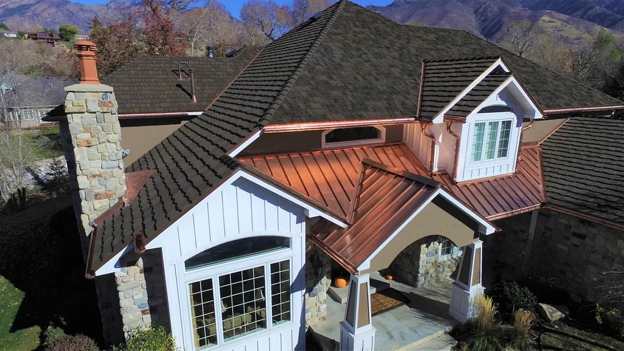
Not all roofing materials perform equally, and understanding the differences helps homeowners make informed choices.
Composition Roof vs Architectural Shingles
Architectural shingles are still composition shingles, but they offer thicker construction, improved aesthetics, and longer life expectancy. They are a better mid-level option but still prone to granule loss and storm damage.
Composition Roof vs Metal Roofing
Metal roofing is more expensive upfront but offers superior durability, higher wind resistance, and a much longer lifespan. It performs well in most climates but may not suit every architectural style.
Composition Roof vs Wood Shake
Wood shakes provide a natural aesthetic but require regular maintenance and are vulnerable to fire, mold, splitting, and insect damage. They also lack the impact resistance modern climates demand.
Composition Roof vs Synthetic Roofing
Synthetic roofing materials, including CEDUR, provide the appearance of premium materials without the drawbacks. They offer superior weather resistance, better longevity, and minimal maintenance.
Climate Considerations: When Composition Shingles Fall Short
Composition shingles do not perform equally in every region, and climate plays a major role in determining how long they last and how well they protect the home. Their asphalt-based construction makes them more sensitive to environmental stressors than many alternative roofing materials.
They often struggle in:
- Hail-prone climates where repeated impacts cause bruising, cracking, and accelerated granule loss. Even smaller hail events can shorten their lifespan.
- High-heat regions where intense sun exposure softens asphalt, leading to premature aging, warping, and faster deterioration of the protective granule layer.
- Humid climates that promote algae, moss, and moisture absorption. This can discolor the shingles, add weight, and increase the likelihood of curling or blistering.
- High-wind zones where uplift forces can loosen or tear shingles, especially on older or weathered roofs.
In areas with frequent storms, temperature swings, or prolonged humidity, homeowners often face more repairs and shorter replacement cycles with composition roofing. These climate-driven issues are a key reason many homeowners explore more durable alternatives that can better withstand extreme conditions.
A Better Alternative to Composition Roofs
If you’re considering a new roof, exploring alternatives can reveal better long-term value. While there are many roofing materials on the market, the most compelling alternative for homeowners seeking durability, impact resistance, and low maintenance is synthetic roofing.
Synthetic Roofing
Synthetic roofing products are engineered to replicate the look of premium materials like wood shake or slate while delivering far superior performance. They offer:
- Lightweight construction, reducing structural concerns
- High impact resistance, often achieving Class 4 ratings
- Exceptional durability in harsh climates
- Low maintenance requirements, with no granule loss or moisture absorption
- Long-term color stability through UV-resistant pigmentation
Because synthetic options blend curb appeal with advanced engineering, they have become the preferred solution for homeowners wanting better longevity and resilience than composition shingles can provide.
Within this category, CEDUR stands out as one of the most reliable and visually appealing synthetic roofing systems available today.
Why CEDUR Is a Stronger Alternative to Composition Shingles
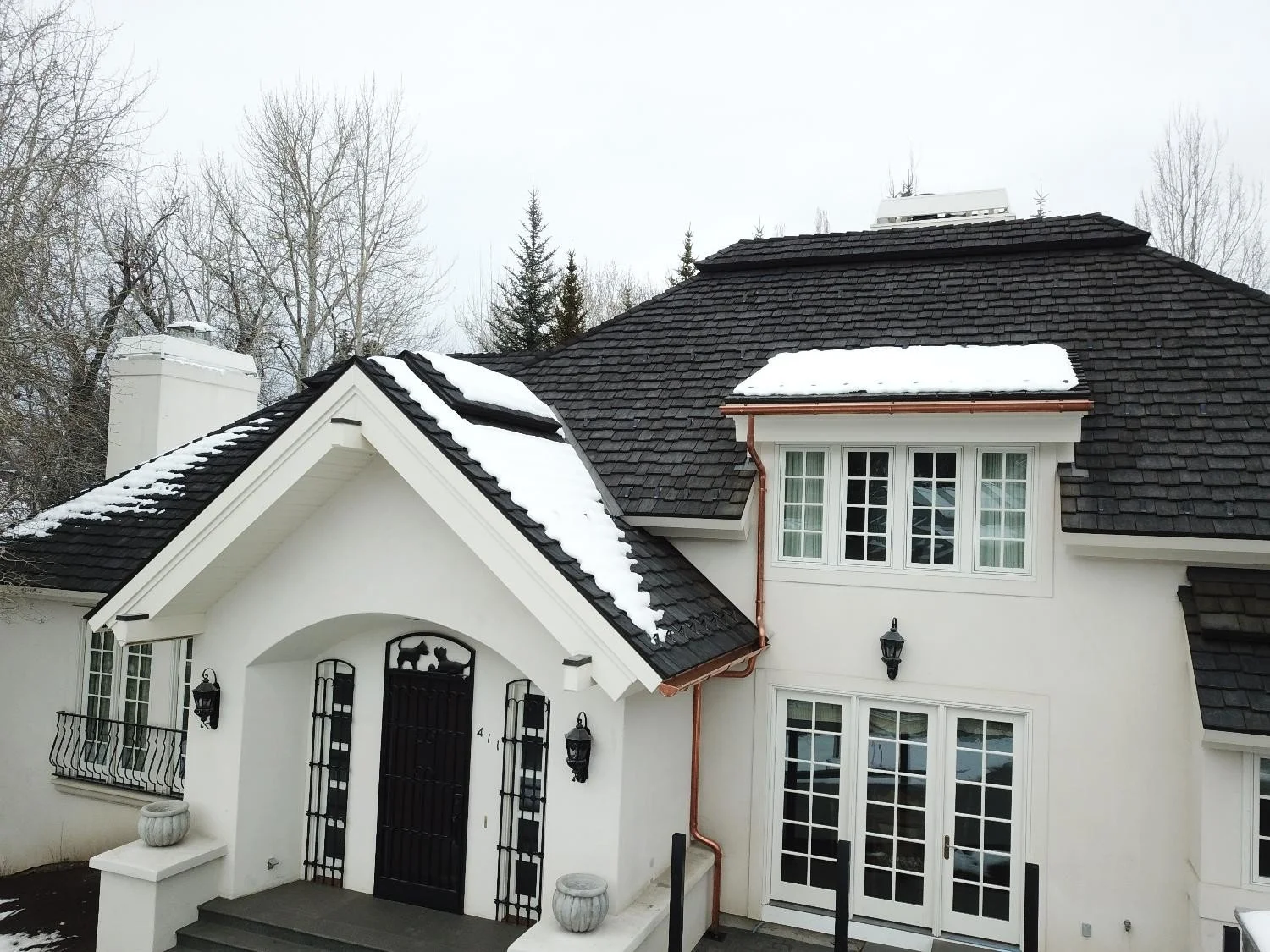
Among synthetic roofing options, CEDUR roofing shakes stand out for their combination of natural beauty and superior performance.
CEDUR provides:
- Class 4 Impact Resistance, offering protection far beyond composition shingles
- Class A Fire Rating without special underlayment
- Zero water absorption, preventing mold, mildew, and freeze-thaw damage
- UV stability, ensuring color that lasts for decades
- Lightweight construction, eliminating structural upgrade concerns
- Real cedar aesthetics, modeled from genuine wood grain
- Low maintenance, with no curling, cracking, or granule loss
Because CEDUR shakes combine durability with authentic style, they outperform asphalt composition shingles in nearly every climate scenario.
Is a Composition Roof the Right Choice?
Composition shingles may be suitable for some homes, but their vulnerabilities in harsh climates, shorter lifespan, and ongoing maintenance needs often make them a less reliable choice. For homeowners wanting long-term durability, superior impact resistance, and lasting curb appeal, synthetic alternatives offer far better performance.
Ready to explore a roofing option built for long-lasting protection? Contact CEDUR today to learn more about upgrading your home with high-performance synthetic shakes.