Choosing the right roof shape does more than influence curb appeal. The geometry of your roof plays a direct role in weather performance, long-term durability, and even how much you pay for homeowners insurance. Two of the most common roof shapes, gable roofs and hip roofs, offer different strengths depending on climate, construction, and budget.
This guide breaks down the key differences between gable and hip roofs, how each shape affects insurance premiums, and which option provides better performance in challenging weather conditions.
What Is a Gable Roof?
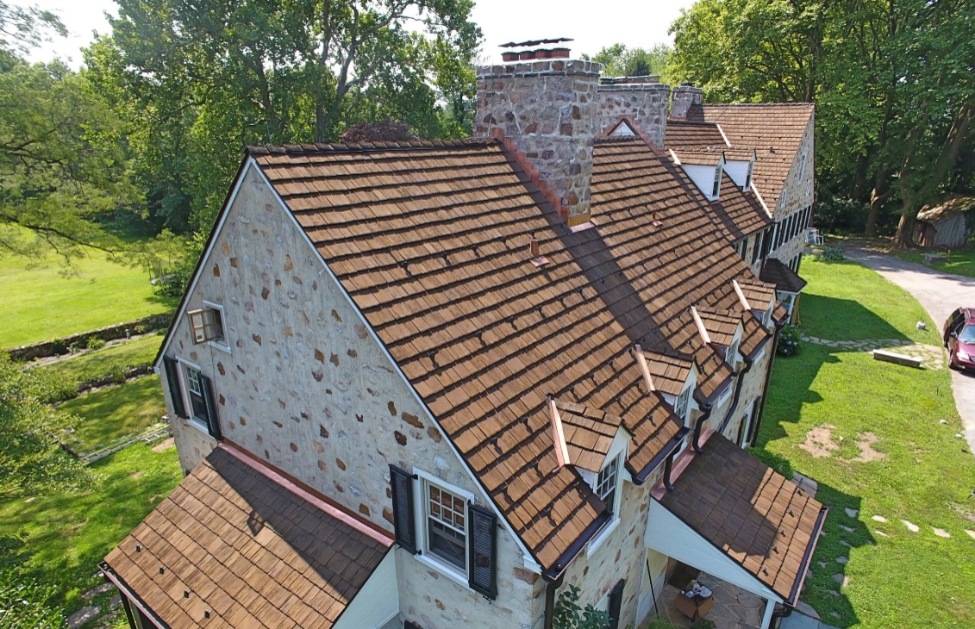
A gable roof features two sloped sides that meet at a central ridge, forming a triangular wall section on each end of the home. This is one of the most traditional and recognizable roof shapes in residential construction.
Gable roofs offer:
- A simple design that is easy and cost-effective to build
- Strong ventilation potential due to open gable ends
- Efficient shedding of rain and snow
Because of their straightforward structure, gable roofs are often used in new construction and remodels where budget and simplicity are key considerations.
What Is a Hip Roof?
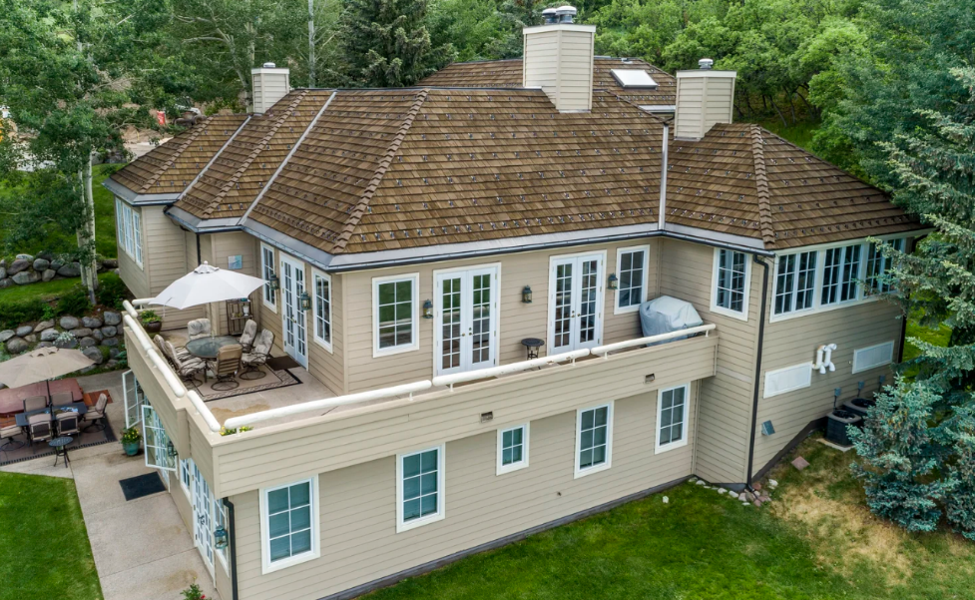
A hip roof includes four sloping sides that meet at a ridge or point, creating a more enclosed and aerodynamic structure. This shape adds stability and reduces wind exposure, making it common in areas with frequent storms.
Hip roofs are known for:
- Enhanced wind resistance due to their sloped geometry
- Increased structural stability
- A clean, balanced aesthetic that complements many architectural styles
Although they are more complex to build, hip roofs often provide better long-term performance in harsh climates.
Gable vs Hip Roof Shape: Key Differences
Looking at the basic structural differences helps explain why each roof shape behaves differently in real-world conditions. Beyond appearance, the geometry of a gable or hip roof influences how the home handles wind, sheds water, ventilates, and even withstands long-term weather exposure.
Structure
- Gable Roof: Two sloped planes and two vertical gable ends. This creates larger flat wall surfaces that can catch wind but also allows for simpler framing and easier attic access.
- Hip Roof: Four sloped planes meeting at a ridge or peak. This creates a more compact, enclosed form that distributes loads evenly and reduces exposed wall area.
Weather Performance
- Gable Roof: Excellent for water and snow shedding due to steeper pitches and direct drainage channels. However, the tall gable ends can become pressure points during strong winds.
- Hip Roof: Superior for wind resistance and overall stability. The four slopes deflect wind from all sides, reducing uplift forces and making hip roofs ideal for hurricane-prone or high-wind regions.
Ventilation
- Gable Roof: Natural ventilation through end vents, which can boost airflow with minimal system upgrades. This can help regulate attic temperatures in warm climates.
- Hip Roof: Often requires ridge and soffit ventilation systems since there are no gable ends. When designed correctly, these systems provide balanced airflow but may require more planning and installation.
These structural distinctions guide how each roof shape handles weather, ventilation, and long-term wear, all of which directly impact durability, insurance costs, and the best material choices for your home.
Durability: Which Roof Shape Lasts Longer?
The longevity of any roof depends on construction quality and materials, but roof shape plays a significant role in how well a home withstands harsh conditions.
Wind Resistance
Hip roofs generally outperform gable roofs in high wind regions. Their four-sided design reduces uplift pressure and provides better overall stability. Gable roofs, with their flat end walls, tend to catch wind more easily and may require additional bracing.
Rain and Snow Management
Both roof shapes shed water effectively. Gable roofs may offer an advantage in snowy regions because their steeper slopes allow snow to shed quickly. Hip roofs distribute rainwater evenly to all sides, reducing the likelihood of water pooling.
Insurance: How Roof Shape Affects Your Premiums
Insurance companies evaluate roof shape as part of their risk assessment process because certain designs are more prone to storm damage.
Why Hip Roofs Often Cost Less to Insure
Hip roofs tend to qualify for lower insurance premiums due to:
- Better wind resistance
- Lower risk of structural uplift during storms
- More uniform weight distribution
- Improved durability in hurricane-prone zones
Because they are designed to withstand strong winds, hip roofs often receive favorable treatment from insurers.
Why Gable Roofs May Cost More
Gable roofs may be more expensive to insure in certain regions because:
- Their vertical end walls create higher uplift risk
- They can sustain more damage in hurricanes and tornadoes
- Reinforcement is often needed in severe weather zones
Homeowners in coastal, highwind, or tornado-prone states may see notable premium differences based solely on roof shape.
Hip Roof vs Gable Roof Cost: What Homeowners Should Expect
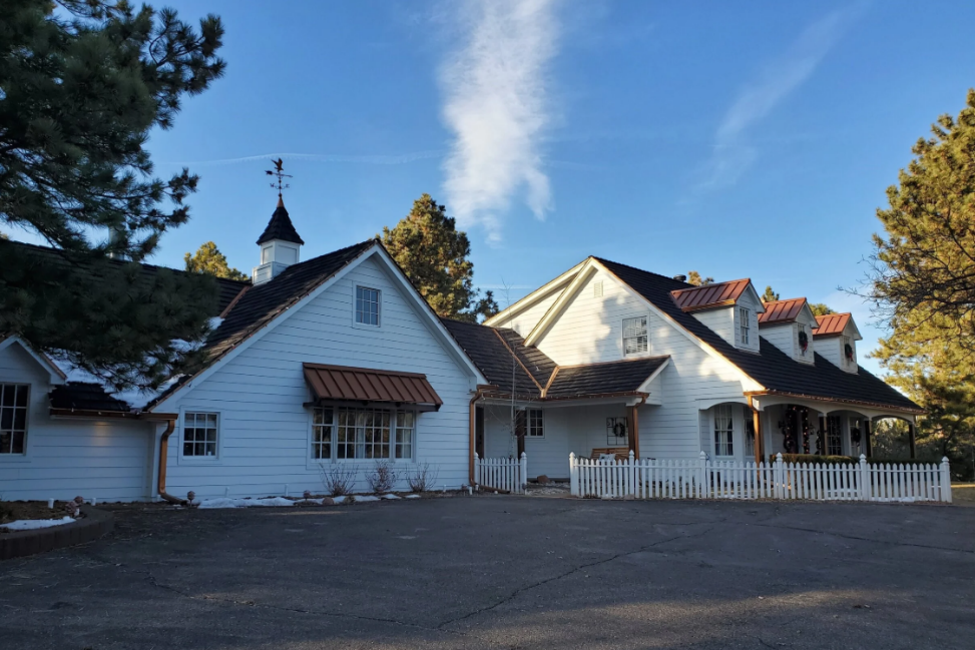
Roof shape has a direct impact on material and labor costs during construction, but cost considerations extend well beyond the initial build. Looking at both the upfront expense and long-term financial implications can help homeowners make a more informed decision.
Initial Construction Cost
- Gable Roof: Typically less expensive due to simpler framing, fewer angled cuts, and faster installation times. The straightforward structure makes it a common choice for budget-conscious builds.
- Hip Roof: More costly because of additional framing materials, complex geometry, and the need for more advanced carpentry. The added structural support required for a hip roof contributes to higher labor costs.
Long-Term Cost Considerations
While hip roofs require a larger investment upfront, they often provide long-term financial advantages due to their enhanced performance.
Hip roofs may provide more value over time because:
- Insurance premiums can be lower due to superior wind resistance, reducing long-term carrying costs.
- They experience fewer wind-related repairs, which can cut down maintenance expenses in storm-prone regions.
- Their structural stability reduces the need for reinforcement, which is sometimes required for gable roofs in high-wind areas.
However, both roof shapes carry similar material costs when using roofing products such as asphalt shingles, metal roofing, or synthetic shakes. The main differences come from framing complexity, labor, and how each shape performs in your regional climate.
Aesthetic Considerations: Choosing the Right Architectural Style
Roof shape contributes significantly to the overall look of a home and helps define its character. The geometry of the roof can influence everything from curb appeal to resale value, making aesthetics an important consideration alongside performance.
Gable Roofs
Offer a classic, versatile appearance that works well with traditional, colonial, craftsman, and farmhouse-style homes. Their simple silhouette adds height and dimension, giving homes a more open and prominent architectural profile.
Hip Roofs
Provide a clean, symmetrical look often associated with modern, coastal, and upscale architectural styles. Their uniform slopes create a polished exterior and tend to blend seamlessly into neighborhoods emphasizing contemporary or refined home designs.
The aesthetic choice often comes down to personal preference, neighborhood style requirements, and the look homeowners want to achieve, whether that’s classic charm or smooth modern symmetry.
Climate Considerations: Which Roof Shape Fits Your Region?
Climate heavily influences which roof shape performs better, and choosing a shape suited to local weather conditions can significantly improve long-term roof durability.
- Best for High-Wind Areas: Hip roofs excel in coastal zones, hurricane regions, and other highwind environments due to their aerodynamic structure and reduced uplift risk.
- Best for Snowy Regions: Gable roofs perform well in cold climates, especially when built with steeper pitches that help snow slide off quickly and reduce structural load.
- Best for Mixed Climates: Both shapes can perform effectively when properly built and paired with durable roofing materials, making overall performance dependent on installation quality and roof pitch.
Homeowners should consider local weather patterns, regional building codes, and long-term climate expectations when selecting a roof design.
Choosing Roofing Materials for Hip vs Gable Roofs
The roof shape influences, but does not limit, material choices. Popular options include:
- Asphalt shingles
- Metal roofing
- Clay or concrete tile
- Synthetic roofing materials
Materials with high wind ratings, good impact resistance, and long-term durability tend to perform well on both gable and hip roofs. Because each roof shape handles weather differently, choosing a durable roofing material can help offset climate challenges.
Why CEDUR Works Well on Both Gable and Hip Roofs
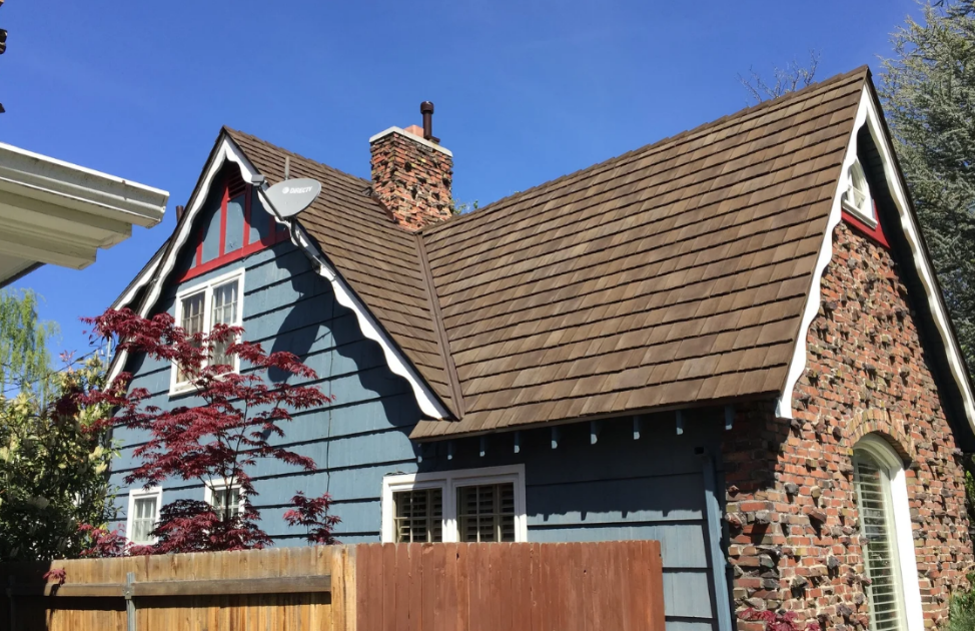
Choosing the right roofing material is just as important as choosing the right roof shape. CEDUR synthetic roofing shakes are engineered to maximize the strengths of both gable and hip roofs, offering consistent performance regardless of how the roof is designed. Their advanced composition and lightweight structure make installation easier across varying roof geometries, while their durability enhances overall strength and protection.
CEDUR’s material technology ensures resilience in climates where gable roofs face uplift challenges or where hip roofs need reliable impact protection. Because CEDUR shakes replicate the beauty of natural cedar without its weaknesses, homeowners can enjoy premium aesthetics paired with modern engineering.
CEDUR provides:
- Class 4 Impact Resistance for protection from hail and flying debris, which strengthens both roof types in storm-heavy regions
- Class A Fire Rating for increased safety, offering valuable peace of mind
- Wind performance rated up to 115 mph, ideal for highwind areas where roof shape and roofing material work together to withstand severe storms
- Zero water absorption, preventing swelling, mold, or freeze-thaw issues that can affect roof systems across all climates
- Authentic cedar appearance, molded from real wood grain for a premium look that enhances any architectural style
- Low maintenance, with no cracking, curling, or granule loss, reducing long-term upkeep regardless of roof design
Homes with gable roofs or hip roofs can rely on CEDUR for a durable, attractive, high-performance roofing solution that improves weather resistance, extends roof lifespan, and boosts curb appeal.
Choosing the Best Roof Shape for Long-Term Protection
Both gable and hip roofs offer advantages depending on climate, design preference, and insurance considerations. Gable roofs provide excellent snow management and classic styling, while hip roofs deliver superior wind resistance and often lower insurance premiums.
For homeowners looking to maximize durability no matter the roof shape, CEDUR synthetic shakes offer an ideal solution, combining strength, beauty, and long-term performance.
Ready to explore a roofing material designed to excel on any roof structure? Contact CEDUR today to learn more about upgrading your home with high-performance synthetic shakes.