Featuring: Kidd Roofing
The roof over our heads protects us from the elements, keeps us safe, and turns a house into a home. That’s a pretty big job. Unfortunately, most of us don’t realize how much we depend on our roof until there is a major problem. Whether a hailstorm has left its mark on your roof, you have a leak or need shingles replaced, or you need extensive repairs, the professionals at Kidd Roofing have you covered, literally. Kidd Roofing is a local Colorado roofing company that has made it their mission to help homeowners, home builders, property managers, and architects get the quality and lasting roof they deserve. Kidd Roofing handles work for both residential and commercial sectors and has offices in Colorado and Texas.
Colorado has a harsh climate that experiences wildfires, hailstorms, high wind, intense UV light and extreme temperature swings, so choosing a lasting roof can be difficult. Let us examine Colorado’s weather in both the Front Range and Rocky Mountains, popular roofing materials that are used in Colorado, and the benefits of choosing a quality roofing contractor like Kidd Roofing to install your roof.
Kidd Roofing Background
Since 1982, Kidd Roofing has proudly served their communities and is involved with organizations such as the Boys & Girls Club of America, Tiny Victories, Homeaid, Habitat for Humanity, and Que for the Blue. With offices in Austin, San Antonio, Houston, Dallas and Denver Kidd Roofing is a multiple-year recipient of the Inc. 5000 Fastest Growing Companies Award and consistently a winner of the prestigious GAF President’s Club Award and Roofing Contractor Magazine Fastest Growing award. Kidd Roofing provides specialized knowledge and cumulative years of hands-on experience in all kinds of residential and commercial roofing applications which has yielded them one of the finest reputations for quality workmanship.

So, what is the weather like in the Colorado mountains?

Weather in the Rocky Mountains is unforgiving and unpredictable. The main feature of the mountainous area is the dramatic differences in climate over short distances. Elevations range from below 7,000 feet in the lower mountain valleys, to more than 14,000 feet on the highest peaks. The higher you get in elevation, the colder it gets.
Temperature changes are very drastic in Colorado, which is evident in the summer months when temperatures decrease 4-6° F per 1,000 feet. The drastic temperature change associated with high elevation makes the air unstable. On clear and calm nights, the land surface radiates away the days heat and the coldest most dense air settles into the mountain river valleys, not on mountain peaks. This makes the most extreme cold actually occur in mountain valleys where communities have been built. That is why towns like Aspen, Vail, Breckenridge, Avon, Cordillera, Crested Butte, Steamboat Springs, and the Roaring Fork Valley can seem so unbearably cold.
Why are there wildfires and hailstorms in Colorado?
Colorado homeowners experience an array of threatening weather events, especially wildfires and hail. The state’s unique combination of geography, high elevation and mid-latitude make for a cool, dry, and intense climate. Extreme cold, extreme heat, high wind, hail, flooding, droughts, lightning, tornadoes, forest fires, and blizzards occur often in Colorado. From an economic perspective hailstorms and wildfires are Colorado’s most damaging events.
Hailstorms
The state of Colorado is part of a stretch in the United States known as “Hail Alley”, and the Colorado Front Range is right in the middle of it. The various terrain-driven dividers in Colorado result in vastly different weather events within a matter of a few miles. This is why one hailstorm can damage neighborhoods in Arvada but leave Westminster completely unaffected. High-humidity, dry conditions and most importantly high altitude play major factors into why hailstorms are so prevalent in Colorado.
Wildfires
Most Colorado wildfires occur naturally and are a necessary part of the ecosystem. While humans are responsible for starting more than 80 percent of wildfires across the country, that’s not the case in Colorado. Nearly 70 percent of fires are sparked by lightning, according to recent research led by Jennifer Balch at the University of Colorado. So most of the fires burning in Colorado are caused naturally which explains how the states landscape and terrain affect the weather.
When analyzing why wildfires spread, it is best to understand that fire ignition is only the beginning of a fire. For a spark to grow into a wildfire there must be perfect conditions, those perfect conditions are dry conditions and strong wind, which are two events that happen frequently in Colorado. When a fire does ignite greenhouse gas emissions and the global climate change has caused fires to burn hotter and faster than ever before. Keep in mind; low annual rainfall, low humidity, lightning, dry conditions, underbrush, and high winds all contribute to a disastrous wildfire.
So, what can I do to protect my Colorado home from wildfires?
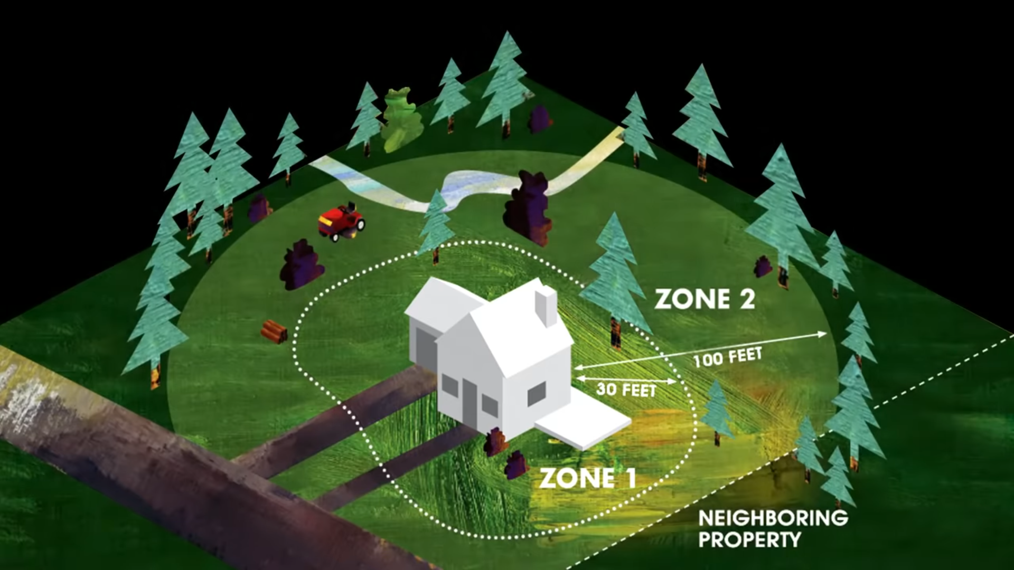
1. Understand what Wildfire Mitigation, Wildland Urban Interface and Defensible Space is.
To better protect your Colorado home from fire, it is recommended that you familiarize yourself with wildfire mitigation, Wildland Urban Interface (WUI), and creating defensible space. With that being said let us understand what those are and why they matter to you.
Wildfire mitigation is the implementation of a variety of precautionary measures to protect a building from wildfire. It is a preventative tactic used to mitigate fire risk. Homes in dry areas or heavily forested areas, should be inspected regularly and maintained appropriately. Homeowners are primarily responsible for wildfire mitigation.
Wildland Urban Interface (WUI) is defined as the area where houses are in or near wildland vegetation, and this is the area where wildfires pose the greatest risk to people due to the proximity of flammable vegetation. Building codes have been established to protect homes within Wildland Urban Interface areas from firestorms. It is wise to understand that today, a disproportionate number of Coloradans live in WUI areas, so if your home is located in one it is highly recommended that you take the necessary steps to ensure proper safety from wildfire.
Defensible space is the area around a home or building in which vegetation, debris, and combustible fuels have been cleared, treated, or reduced to slow the spread of fire away from the building. Creating defensible space improves your home’s chance of surviving a wildfire. It’s the area you create between your property and the grass, trees, shrubs, or any wildland area that surrounds it. This space is needed to slow or stop the spread of wildfire, and it helps protect your home from catching fire. In January 2005, a new California state law became effective that extended the defensible space around homes and structures from 30 feet to 100 feet. According to the City of San Mateo, California website: “In January 2005 a new state law became effective that extended the defensible space clearance around homes and structures from 30 feet to 100 feet. Proper clearance to 100 feet dramatically increases the chance of your house surviving a wildfire.
Colorado property owners should understand that if they build a new home in the Rocky Mountains, some counties may require individuals to create and implement a Wildfire Mitigation Plan per local Building and Land Use Codes. This includes creating, defining, and maintaining the defensible space around your home. By doing Wildfire Mitigation work, property owners can substantially increase their safety and reduce their risk.
2. Choose a Class A Fire Rated roofing material.
Fire ratings for roofs are classified as either Class A, Class B, Class C, or unrated. Class A is the highest fire resistance rating that a product can achieve. For Colorado Roofing it is recommended that you have a Class A Fire Resistant roofing material on your home. Most high-end synthetic, composite, or polymer based roofing materials are marketed as “Class A Fire Resistant”, but they are not all created equal. Roofing materials are able to achieve that Class A fire rating by using a special fire-resistant underlayment during the roof installation. In other words, the product itself is not Class A Fire Rated rather the complete roofing system is (including the roofing underlayments).
The biggest difference is that CEDUR synthetic shakes offer stand-alone Class A Fire Resistance. Watch the video below which shows the CEDUR Class A Burning Brand Test. In this test the CEDUR roofing shakes reached a temperature above 1,400 degrees Fahrenheit and the shakes did not ignite.
What can I do to protect my home from hailstorms?
1. Choose UL 2218 Class 4 Impact Resistant roofing materials
To protect your home from hail storms choose a UL 2218 Class 4 Impact Resistant roofing material for your home. Underwriters Laboratories (UL) is a not-for-profit independent testing organization that was founded in 1894. UL provides the knowledge and expertise to help consumers make informed decisions on products that affect their daily lives. Underwriters Laboratories developed a test to rate the strength of roofing materials. The test is called the UL 2218 Impact Rating.
The UL (Underwriters Laboratories) puts construction materials, like roofing shingles, through a rigorous series of tests set to determine how impact resistant they genuinely are. During this test, known as the UL 2218 Class 4 Impact Rating test, steels balls in various sizes are dropped onto the roofing material at 90 mph (miles per hour) from 12 to 20 feet high, two times in the same spot.

How the roofing or construction material holds up under the impact of these steel balls will determine whether they will be classified as UL 2218 Class 4 shingles or a lower class. For a UL Class 4 impact resistant rating to be achieved, the sample roofing material should be able to withstand two hits by a steel ball that is two inches in diameter without cracking or showing signs of stress. Learn more about Class 4 Impact Resistant roofing shingles.
What are the most popular Colorado Roofing Materials?
When deciding what roofing material is the right choice for your home, it is important to understand that your roof is the first line of defense against natures elements, so choosing a durable roofing material is necessary. Prior to choosing your next roof, you should understand what your options are and what types of roofing materials are most popular in Colorado.
Asphalt Shingles
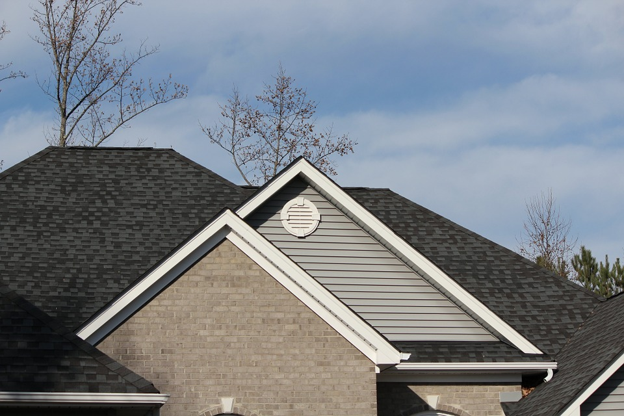
Asphalt shingles are the most popular roofing type that most homeowners consider their #1 choice of roof covering. In many climates asphalt shingles are durable enough to withstand harsh weather, but more importantly they are affordable. While an asphalt roof can last up to 25 years, in severe climates like Colorado they need to be replaced on average every 7-12 years. Strong wind, snow, hail, and heavy rain can lead to roof replacement often. In the extreme Rocky Mountain environment, it is not recommended the you put asphalt roofing shingles on your home.
2. Metal Roofing
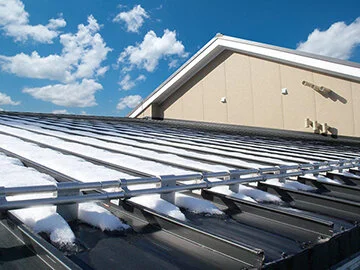
Metal Roofs are also popular for their unique appearance and durability. However, before making your decision you should consider the amount of hail that your home may experience. In Colorado hail occurs frequently so it is important to understand that hail can severely damage metal and may leave denting and indentation marks on your roof covering. It is also worth noting that in snowy climates like the Rocky Mountains, snow guards are recommended for metal roofs. Snow guards ensure safety over awnings and high traffic areas like the front and back entrances of your home. Snow-melt and snow run off in Colorado occur often, so the proper precautions need to be taken and snow guards should be installed on a metal roof covering.
3. Natural Cedar Shakes
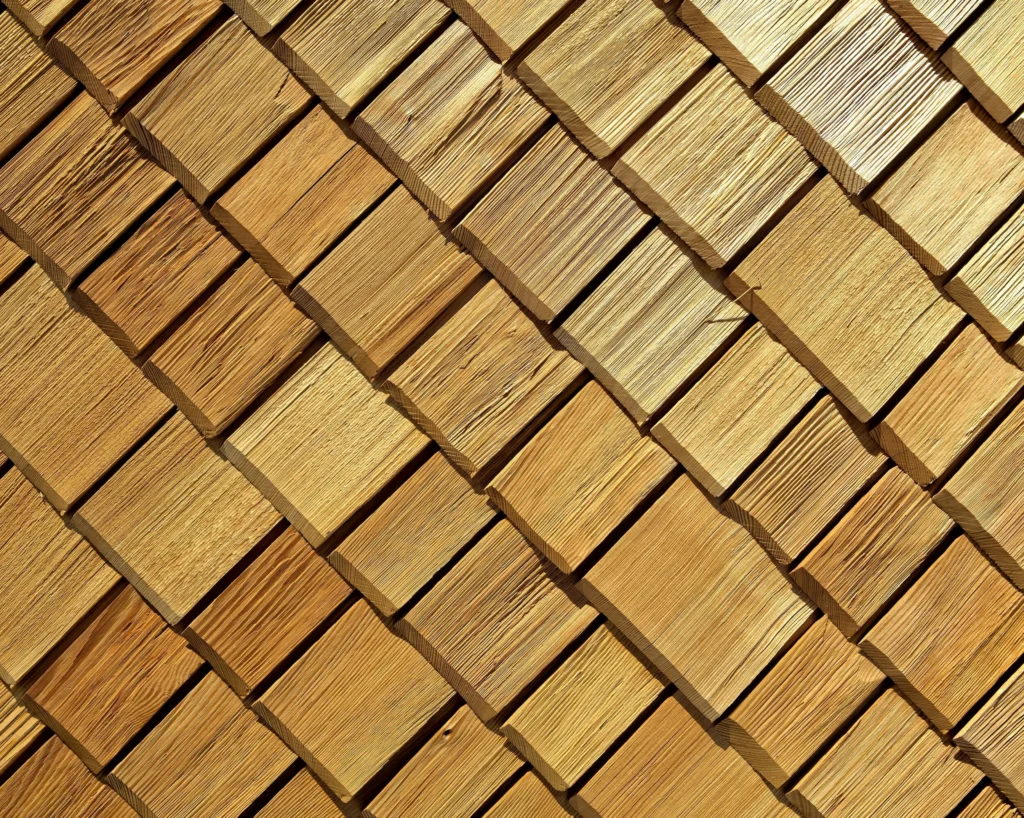
Natural cedar shakes are very prevalent in the Rocky Mountains. The benefit to a natural cedar shake roof is that it looks incredible, especially in mountain environments. A cedar shake roof compliments it’s natural surroundings incredibly well and fits most architectural styles and color schemes. The downside to natural cedar wood shakes is that in wet climates they under-perform, absorb water, and are prone to splitting and swelling. In addition, wood is naturally flammable, and wildfires are an extreme concern in the Rocky Mountains. While fire retardant chemical treatments can be applied to a natural cedar wood shake roof, they need to be applied frequently and can be an unexpected out-of-pocket expense.
4. Synthetic Roofing Materials
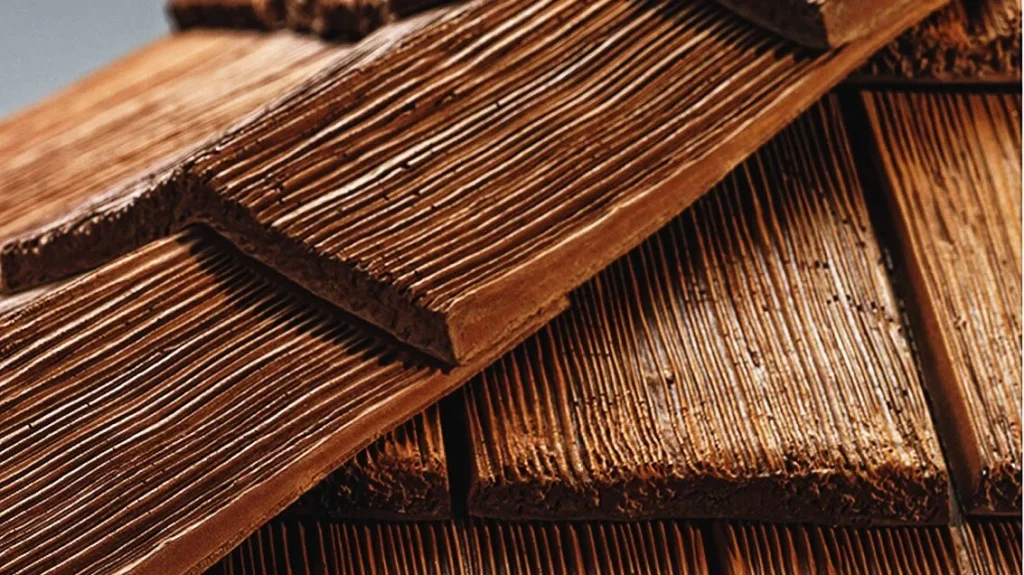
Synthetic Roofing Materials are long lasting, durable, and reliable. Many are manufactured to look virtually indistinguishable from their natural counterparts. This means that you can get the beautiful appearance of natural wood without having a natural wood roof. Synthetic roof materials offer unique colors, longer warranties, and are much more reliable than asphalt shingles or natural cedar shakes. Most synthetic roofing materials are designed and engineered to withstand extreme climates. In mountain towns where extreme weather occurs often you will find that homeowners, roofing contractors, homeowner associations, and property managers tend to rely on synthetic roofs.
What roofing materials can withstand Colorado’s environment?
Synthetic roofing materials, stone-coated steel, slate, and metal all have the ability to withstand Colorado’s climate. They all perform differently and have pros and cons, so prior to making a roofing decision you should weight the benefits associated with each type of roofing material. If you are living in a fire prone environment or experience hail in the Front Range, it is recommended you avoid materials like asphalt shingles and natural cedar shakes. In many mountain towns and counties across the United States, natural cedar shake roofs are banned because they are a fire risk.
What is the best roof covering for my Home?
CEDUR Roofing Shakes are the trusted roof covering in the Colorado Rocky Mountains. If you are located in the Colorado Front Range and live in Boulder, Lyons, Longmont, Arvada, Centennial, Denver, Fort Collins, or Golden it is best to understand that while the weather you experience may not be as severe as Colorado mountain towns, it is still extreme and hail storms can be very damaging to your roof. So choosing a UL 2218 Class 4 impact resistant roof like CEDUR is essential when deciding on your next roof covering.
For property owners, CEDUR synthetic shakes offer an array of long term benefits including:
1. Insurance Savings – Not only do Class 4 impact rated roofing materials provide impact resistance, they also can help you save money on your homeowner’s insurance cost. Discounts are available through most insurance providers.
2. Resale Value – Not only do CEDUR shakes provide incredible curb appeal, they can also increase your homes resale value. Roofs are one of the major sticking out points that potential buyers first see. A beautiful roof covering can make or break a home sale; elegant looks, durability and longevity can be highly advantageous in helping you seal the deal.
3. Solid Product Throughout – CEDUR’s structure is solid throughout. A solid product composition also means better insulation for your home. CEDUR is an energy efficient roofing material with an R-Value in excess of 2.0. This provides added roof insulation and makes your home warmer in the winter and cooler in the summer. A solid product also helps limit water intrusion and means a roofing contractor can cut right through CEDUR shakes with a utility knife. This helps ensure superior installation and appearance at your roof’s hips, valleys, ridges, and eaves.
4. No Cavity Back – Cavity backing is the underside of a roofing material. If the material is one piece and solid it has no cavity back, if it has a waffle like plastic structure this is referred to a cavity back. It is best to understand that dirt, debris, insects, and water can build up in a cavity back area which can cause issues.
5. Fire Retardant Technology – Engineered to withstand the most extreme weather, few building materials match CEDUR’s extreme fire resistance. Our State-of-the-Art manufacturing process allows us to incorporate a proprietary fire retardant into each CEDUR Shake. In the event of a fire, CEDUR self-extinguishes flame spread and does not allow a flame to propagate on the surface of the product.
The key to a lasting roof? Choose the right roofing company.
The most important part of getting a new roof is the roof installation itself. If you choose the right roofing company to install your new roof, you should have a hassle-free roof for years to come. But if you invest in a beautiful new roofing material and do not choose the right company to install it, you may be prone to long term issues. Prior to choosing your roofing contractor it is recommended that you choose a local roofer with a proven track record that has experience installing the roofing material that you want.
The Colorado Roofer You Can Trust
Kidd Roofing is one of Colorado’s premier residential and commercial roofing contractors. No project is too big or too small for Kidd Roofing. They know what roofing systems perform best in the Colorado climate and they strive to meet their customers long term needs. They also understand the importance of making the best decision when it comes to choosing what roof covering can protect you from hail, wildfire, high wind, and heavy snow. Let Kidd Roofing provide the last roof you will ever need.
Colorado weather is constantly changing. You can wake up in the morning to frost, then it snows and by noon it is sleeting and that turns to rain. By mid-afternoon, the sun is shining and the streets are dry. Each of these weather events will affect your home’s roofing in a different way and Kidd Roofing is uniquely qualified to provide you with exceptional skill and knowledge when it comes to your specific roofing needs.

Kidd Roofing
7300 S Alton Way STE 5-G
Centennial, CO 80112
(720) 704-1368
www.kiddroof.com
Why choose a CEDUR roof installed by Kidd Roofing?
For lots of people, choosing the right contractor is an exercise in pain and frustration, but Kidd Roofing can help you avoid the problems that may have caused your neighbors grief. That is because Kidd Roofing is committed to providing you with your best and safest roofing choice superior investment.
A CEDUR roof installed by Kidd Roofing will ensure safety from Colorado’s harsh climate and environment. Here are more reasons why nothing beats a CEDUR synthetic roof installed by Kidd Roofing:
- Warranty – A CEDUR roof installed by Kidd Roofing includes a 50 Year Lifetime Limited Warranty.
- Insurance Savings – Kidd Roofing can help you save money on your homeowner’s insurance policy when you install a CEDUR synthetic roof. Most insurance providers offer discounts or incentives for installing a Class 4 Impact Rated and Class A Fire Rated roofing material. Their insurance claims specialists can help you with the paperwork of submitting a claim.
- Experience – The roofing crew at Kidd Roofing has installed thousands of squares of CEDUR Roofing Shakes in Colorado. When deciding what roofing contractor should install CEDUR synthetic shakes on your home, look no further than Kidd Roofing.
- Trained Professionals – Kidd Roofing employs trained professionals that you can trust. A high-end synthetic roof installation can be challenging, but the team at Kidd Roofing has skilled crews that can handle any type of roof installation.
- Long Term Investment – Your roof should be a long-term investment. If you are planning on re-roofing your Rocky Mountain home with asphalt shingles or natural cedar shakes, you should realize that you may need to replace or re-shingle your roof sooner rather than later. Colorado’s weather can be destructive, and a roof leak or damaged roof can cause issues than may affect your property value.