Sustainable Construction Methods and Techniques
Sustainability is no longer a buzzword in the construction industry—it’s a necessity. As the world faces environmental challenges, the construction sector has a responsibility to reduce its carbon footprint while building infrastructure that is both functional and eco-friendly. Sustainable construction methods and techniques have emerged as key solutions for creating a greener future.
From material selection to energy-efficient building practices, sustainable construction combines modern innovation with a commitment to environmental stewardship.
Let’s explore some of the most effective sustainable construction methods and how they’re shaping the future of the industry.
What Are Sustainable Construction Methods?
Sustainable construction methods focus on minimizing the environmental impact of building projects while promoting efficiency, durability, and resource conservation. These practices prioritize:
- Reducing carbon emissions.
- Using eco-friendly and renewable materials.
- Minimizing waste and water usage.
- Designing buildings with energy efficiency in mind.
By implementing sustainable construction techniques, developers can create structures that are not only environmentally friendly but also cost-effective in the long run.
Modern Methods of Construction Sustainability
Innovation is at the forefront of sustainable construction. Here are some modern techniques that are transforming the industry:
1. Prefabrication and Modular Construction
Building components are manufactured off-site, reducing waste and energy use during on-site construction.
2. 3D Printing in Construction
This method minimizes material waste while enabling precise designs and faster project timelines.
3. Passive Solar Design
Buildings are designed to maximize natural heating and cooling, reducing reliance on artificial energy sources.
These techniques exemplify how sustainability can integrate seamlessly with cutting-edge construction technology.
Sustainable Building Materials
The materials used in construction play a significant role in a project’s environmental impact. Here are some of the most eco-friendly materials gaining popularity:
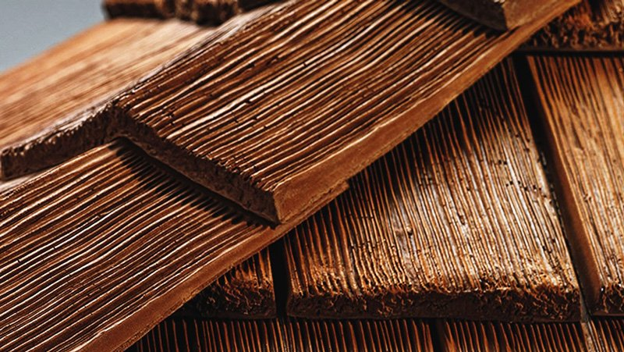
Up close look at CEDUR’s synthetic cedar shakes.
- Recycled Materials: Steel, concrete, and plastics can be repurposed, reducing the need for virgin resources.
- Bamboo and Cork: Renewable and lightweight, these materials are ideal for flooring and paneling.
- Engineered Wood Products: Designed for durability and reduced waste during production.
- Synthetic Cedar Shakes: Products like CEDUR’s synthetic roofing shakes provide the look of natural cedar while offering superior durability, fire resistance, and low maintenance. Lightweight and environmentally friendly, they are an excellent alternative to traditional wood.
By selecting materials that are durable and sustainable, builders can reduce waste and increase the longevity of their projects.
Sustainable Construction Techniques
Effective sustainable construction techniques ensure that buildings are designed to last while reducing their environmental impact:
Net-Zero Building Construction
These buildings produce as much energy as they consume, often incorporating solar panels and advanced insulation.
Rainwater Harvesting Systems
Collecting and reusing rainwater reduces reliance on municipal water supplies.
Green Roofing and Living Walls
Vegetation on roofs and walls improves insulation and air quality.
Insulated Concrete Forms (ICF)
These forms provide excellent thermal insulation, reducing heating and cooling costs.
These techniques not only conserve resources but also enhance the comfort and functionality of buildings.
Benefits of Sustainable Construction
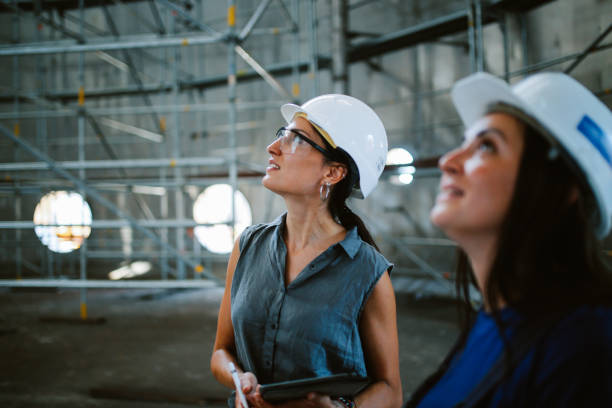
Two workers assess a construction site for sustainability.
Why choose sustainable construction methods? Here are some key benefits:
- Environmental Impact: Lower greenhouse gas emissions and reduced resource depletion.
- Cost Savings: Energy-efficient buildings reduce utility bills and long-term maintenance costs.
- Improved Quality of Life: Better indoor air quality and natural lighting create healthier living environments.
Investing in sustainable construction techniques ensures that buildings are not only functional but also future-proof.
How CEDUR Aligns With Sustainable Construction
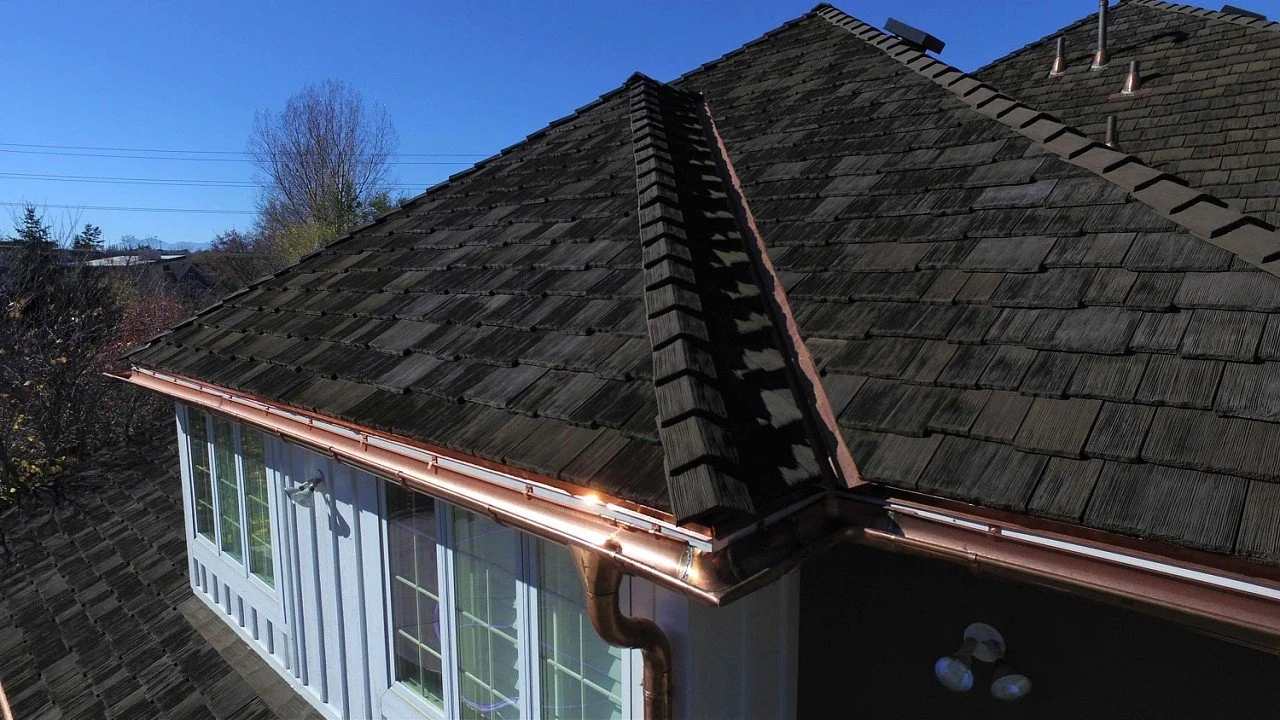
CEDUR’s synthetic cedar shakes are a prime example of sustainability in construction materials. Molded from real cedar but made with lightweight, durable polyurethane, CEDUR shakes offer numerous benefits:
Class A Fire Rating
CEDUR is approved for use in wildfire-prone areas, ensuring safety without compromising aesthetics.
Class 4 Impact Rating
Withstands hail and extreme weather, reducing the need for frequent replacements.
Low Maintenance
Aside from routine maintenance, CEDUR synthetic shakes don’t require special chemical treatments like wood shakes do, saving time, money, and resources.
Eco-Friendly Manufacturing
Designed with longevity and sustainability in mind, CEDUR helps reduce construction waste and environmental impact. For builders and developers seeking eco-friendly materials, CEDUR shakes are an ideal solution.
Building a Greener Future
Sustainable construction methods and techniques are paving the way for a more eco-conscious future. By incorporating energy-efficient practices, eco-friendly materials, and innovative techniques, builders can create structures that are as durable as they are environmentally friendly.
Ready to take your construction project to the next level?
Explore CEDUR’s synthetic roofing products and discover how they can elevate your building’s performance and aesthetics.