If you’ve looked into roofing materials for your home or business before, you’ve probably come across A, B, and C roof classifications ratings.
But what do these ratings actually mean? And more importantly, how do they impact the safety and performance of your roof?
We’ll let you know down below.
Here’s everything you need to know about Class A, B, and C roof covering materials.
Roof Classification Codes: A, B, and C
Roof covering ratings are designed to identify how well a roofing material can withstand fire exposure. And they come in three distinct classes: A, B, and C.
To determine the fire resistance of each material, and to give each material its fire resistance rating, roofing materials endure a series of roofing performance testing. After the testing is complete, each material is given a roof covering rating of A, B, or C.
The higher the classification, the better the roofing material is at resisting fire.
But which roof covering offers the most protection?
We’ll tell you below.
What Is a Class A Roof Covering?
Class A roof covering provides the highest level of fire resistance. Typically, the roofing materials with class A classification ratings can withstand severe and, sometimes, even direct fire exposure—without igniting or spreading flames.
This makes them an almost irresistible option for properties in areas that are prone to experiencing wildfires.
Want to know why? Watch CEDUR’s Class A performance testing video below.
Additional Benefits of Class A Roofing Materials
In addition to fire resistance, Class a fire rated roofings have a few other benefits: To name a few:
- Property Value: Homes with Class A roofing coverings are often more attractive to buyers, which increases the home’s overall value.
- Maintenance: Unlike other materials, Class A roofing lasts longer and requires less long-term maintenance.
- Building Codes: Many regions with fire safety regulations require Class A roofing. In other words, the home is already compliant.
- Insurance Premiums: Roofs with Class A roof coverings are typically covered under insurance, and homeowners with them can sometimes access lower premiums because of their protection.
What is a Class B Roof Covering?
A Class B roof covering is another quality option for a roofing material, one that is designed to withstand both direct and indirect fire exposure.
However, keep in mind:
Although roofs with this material have a fair amount of fire resistance, they do not have as much protection as Class A roof covering materials.
Features of Roofs with Class B fire Ratings:
Some of the best features for Class B roof coverings include:
- Insurable: Roofs with class B roof Coverings are typically covered under insurance, albeit insurance premiums may be higher.
- Pressure Treated: Class B Roof Coverings may be designed with some pressure treated materials.
- Moderate Risk Protection: Because they do not provide as much protection as Class A roof coverings, Class B roof materials should be used in areas where there is not as much risk.
- Fire-Retardant Treatments: To maintain its own fire rating, Class B materials can be combined with other materials for additional protection.
When to Use Class B Fire-Rated Roof Coverings
If your local building codes allow Class B roofing and you’re in an area with lower fire risks, this classification could be a reasonable option. However, many homeowners prefer to upgrade to Class A roofing for added safety and protection, especially considering they may come with lower premiums.
Class C Roofing: The Basic Standard
Class C roof covering materials provide the lowest level of fire resistance, and these materials can only withstand light fire exposure—and they ignite more easily compared to Class A and B roofs.
Characteristics of Class C Roof Coverings:
- Additional Treatments: Because Class C roof coverings have a lower quality fire resistance, they often require treatments or coatings to improve it.
- Affordability: However, Class C roof coverings are often more affordable because they provide less protection than other Class A and B rated materials.
- Aesthetic: The traditional, rustic look of Class C roof materials is often the preferred choice for some architectural styles and designs.
Can You Use Class C Roof Coverings?
If you’re considering a Class C roof covering, you should always check your local building codes and fire safety regulations. The fact is: many areas, but especially those with wildfire concerns, require Class A or B roofing materials.
Determining the Right Roof Rating and Covering
If you’re trying to determine the right roof rating for your home, here’s what you need to consider:
Your Location
The climate and environmental risks in your area play a big role in choosing the right roof rating for your property.
If you live in a region prone to wildfires, a Class A roof covering is most-likely the best choice for. But in areas with lower fire risks, Class B and, sometimes, C roof coverings may be acceptable.
Local Regulations
Not sure which roofing material to get for your location? Be sure to check with your local building authority to find the appropriate roofing class code for your property. Many areas have different regulations, and some have strict codes that require Class A roofing while others do not.
Personal Preferences
It’s important to note that aesthetics, durability, maintenance, and budget are also factors to consider. All of these elements are solely dependent on one’s preferences and personal lifestyle. Plus, they can all impact your home.
But the best thing to do is find a roofing material that balances safety, fire-resistance, and your personal preferences.
This is why many builders and designers choose to use high-quality Class A roofing material so that they can meet stringent fire codes and meet the personal preferences of the owner. property safety.
CEDUR Synthetic Roofing: Beautiful Class A Roof Covering Materials
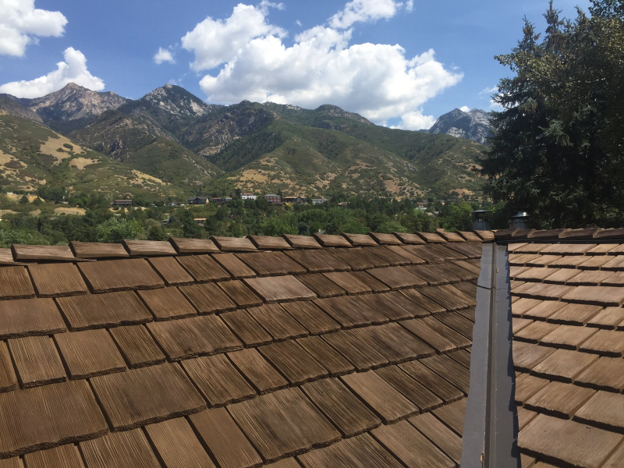
CEDUR’s synthetic roofing balances the beauty of natural wood shakes with the fire resistance of a Class A roof rating.
Unlike traditional wood shakes that often require additional treatments to improve fire resistance, CEDUR products are completely fire-resistant which makes them smart investments for homeowners who want both aesthetics and fire safety.
Benefits of Using CEDUR for Class A Roofing Materials
To give you an even better idea about the benefits of using CEDUR’s Class A roofing materials, here are some of the most popular benefits.
Impact and Weather Resistant
CEDUR roofing is designed to endure severe weather, including hailstorms, high winds, and heavy rain.
Unlike traditional wood shakes—and even some other high end roofing materials—that are prone to cracking, splitting, and moisture damage over time, CEDUR’s advanced composition helps prevent these issues.
It’s even resistant to extreme weather, which reduces the need for repairs.
Lightweight and Durable
CEDUR synthetic roofing is lightweight, something that many other Class A and B roofing materials are not. Moreover This makes it easier to install and easier for homes to support, which makes it an excellent roofing choice for even smaller homes.
Fade-Resistance and Longevity
Exposure to sunlight can cause some roofing materials to fade over time. But CEDUR shakes are designed with fade-resistant technology that preserves their color—even after years of sun exposure. In fact, it’s one of the many reasons why homeowners like CEDUR.
Versatile Design Options
Unlike some Class A roofing materials that have limited color options, CEDUR offers several, including:
These color options make it possible to have a roof that not only meets class A fire rating codes but also your own personal design preferences.
Use Synthetic Class A Roofing Materials from CEDUR
There are several differences between Class A, B, and C roofing, and it’s important to always weigh the benefits, features, and characteristics of each before making your decision.
But if you’re looking for a high-performance roofing solution—one with Class A fire resistant and fade resistant technology—CEDUR’s products provide the perfect combination of durability, safety, and style.
Need selecting the right roof or finding a contractor?
Contact CEDUR today to explore our range of high-quality roofing options.