Does My Homeowners Insurance Cover Fire Damage?
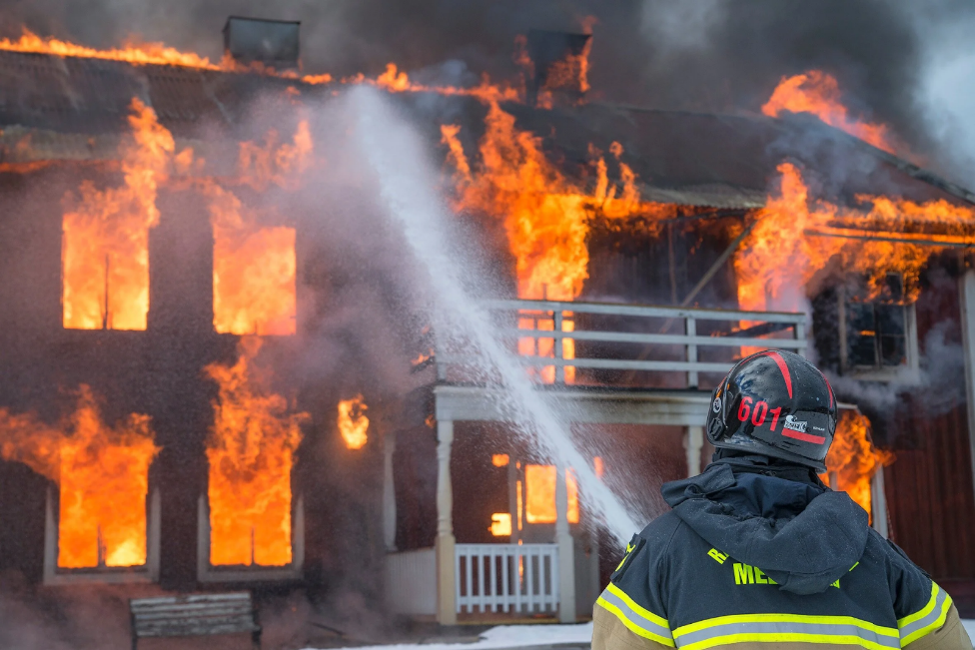
A firefighter works to put out a fully involved house fire.
When a fire strikes, the aftermath can be devastating. One of the first questions many homeowners ask is: “Does my homeowners insurance cover fire damage?” The short answer is yes; most standard homeowners insurance policies do include fire insurance coverage. However, what’s included, how much is covered, and what limitations exist can vary greatly.
In this guide, we’ll break down the basics of home fire insurance, explain what a typical policy covers, and help you understand how to protect your home, especially in areas at higher risk for wildfires.
Disclaimer: This article provides general guidance on typical fire coverage under homeowners insurance. Coverage may vary by policy and location. Always consult your insurance agent to understand your specific protection and limits
What Is Fire Insurance?
Fire insurance is a component of a homeowners insurance policy that protects your property and personal belongings against damage or loss due to fire. It typically covers:
-
The physical structure of your home (also called the dwelling)
-
Detached structures like garages or sheds
-
Personal belongings such as furniture, electronics, and clothing
-
Additional living expenses (ALE) if you’re displaced
While not always referred to separately, fire insurance coverage is often included under the dwelling protection and personal property sections of your home insurance policy.
What Does Homeowners Insurance Cover in the Event of a Fire?
If your home is damaged or destroyed by fire, your homeowners insurance typically covers:
-
Rebuilding or repairing your home: Up to your policy’s dwelling coverage limit
-
Replacement of personal belongings: Based on actual cash value or replacement cost
-
Damage to other structures on your property: Garages, fences, decks, and sheds
-
Temporary housing and meals: If your home becomes uninhabitable (covered under ALE)
Tip: Double-check whether your personal belongings are insured at replacement cost (what it costs to buy new items) or actual cash value (depreciated value).
What Types of Fire Events Are Covered?
Most homeowners insurance policies cover a wide range of accidental fire events, including:
-
Kitchen fires from unattended cooking
-
Electrical fires from faulty wiring or overloaded outlets
-
Candle fires that accidentally ignite nearby materials
-
Lightning strikes that cause fire
-
Wildfires, depending on your region and policy
-
Heater or fireplace-related fires
However, it’s important to confirm with your insurer whether specific types of fire-related incidents, especially wildfires are included, limited, or require an endorsement.
What Isn’t Covered by Fire Insurance?
Although fire insurance is broad, there are situations where coverage may be limited or denied:
-
Intentional fire or arson: Fires set by the homeowner (or in some cases, tenants)
-
Vacant properties: If your home has been vacant for more than 30–60 days, coverage may be void
-
Wildfires in high-risk zones: Some policies exclude wildfire damage in high-risk areas unless you have separate wildfire insurance
Do I Need Wildfire Insurance?

A fire insurance policy document sits ready for review and completion.
If you live in an area prone to wildfires, such as parts of California, Colorado, Arizona, or Texas, your standard homeowners insurance might not be enough. Some insurers limit or exclude coverage in wildfire-prone regions due to increased risk.
In these cases, you may need to:
-
Add a wildfire endorsement to your policy
-
Purchase a separate fire insurance policy through a state-backed or private fire insurance program
Wildfire insurance is especially important in rural or mountainous areas where fire departments have limited access.
Fire Prevention Tips: Reducing Your Risk
While insurance can provide financial recovery, taking proactive fire prevention steps can help keep your home and family safe. Consider these risk-reducing practices:
-
Install smoke detectors in every bedroom, hallway, and level of your home
-
Keep fire extinguishers accessible and inspect them annually
-
Avoid overloading electrical outlets and unplug appliances when not in use
-
Use flameless candles or never leave open flames unattended
-
Regularly inspect and clean chimneys, dryers, and HVAC systems
-
Clear vegetation and debris at least 30 feet from your home in wildfire-prone areas
Making your home more fire-resistant not only protects your investment but may also qualify you for insurance discounts.
How to File a Fire Insurance Claim
If you experience a fire loss, here’s how to navigate the claims process:
-
Contact your insurance provider immediately
-
Document all damage with photos and video
-
Make temporary repairs to prevent further damage
-
Save receipts for lodging, food, or any items you need while displaced.
-
Work with the adjuster to verify losses and rebuild
The key to a smooth claim is communication and thorough documentation.
Tips for Maximizing Fire Insurance Coverage
-
Update your policy annually to match rising home values and costs of construction
-
Create a home inventory using apps or cloud storage
-
Check your dwelling coverage limits to ensure you have full rebuild value
-
Ask your agent about exclusions, especially if you live in a fire-prone area
Fire-Resistant Roofing: An Extra Layer of Protection

CEDUR Walden roof installed by Gen819 on a Southern California home.
Beyond insurance, prevention is key. One of the most effective ways to bolster your home’s fire defense is by upgrading to a fire-resistant roofing system. Installing Class A fire-rated roofing materials, such as CEDUR synthetic shake shingles, can help protect your home from fire threats and may even qualify you for insurance discounts.
CEDUR’s fire-resistant roofing products stand out due to their exceptional construction and performance:
-
Class A Fire Rated for maximum fire protection
-
Impact resistant and able to withstand hail and debris
-
Lightweight and durable, ideal for structural integrity
-
Designed to resist high temperatures and wind-blown embers during wildfire events
Unlike traditional wood shake shingles that can ignite quickly, CEDUR’s synthetic shingles are engineered to replicate the aesthetic appeal of natural wood while providing top-tier protection. They are made from a proprietary, fire-retardant polyurethane technology that does not burn or melt under extreme heat, making them a smart investment for homes in fire-prone areas.
For homeowners living in regions susceptible to wildfires, such as the American West or mountain-adjacent communities, choosing materials like CEDUR isn’t just about aesthetics. It’s a proactive step in safeguarding your home, your family, and your financial future.
Fire Insurance = Peace of Mind
So, does homeowners insurance cover fire? In most cases, yes. But understanding the details of your fire insurance policy, especially in high-risk regions, can make all the difference when disaster strikes.
Take time to review your coverage, ask the right questions, and invest in fire-resistant upgrades to protect your home from the unpredictable.
Ready to upgrade your roof to something safer and stronger? Visit CEDUR’s website to explore fire-resistant roofing options that combine beauty, performance, and peace of mind.