
Concrete Roof Tiles: Common Problems, Hidden Costs, and the Best Alternative

Worn concrete roof tiles showing surface deterioration and vent penetrations.
Concrete roof tiles have been a popular roofing choice for decades, known for their distinctive appearance and long-standing use in residential construction. While concrete tiles can perform well in specific climates, they also come with a range of problems that homeowners may not discover until years after installation.
This comprehensive guide merges the key insights from two prior articles and provides a modern, SEO‑optimized overview of concrete roof tiles, their challenges, and the best alternative available today.
Why Homeowners Choose Concrete Roof Tiles
Concrete roof tiles gained popularity after World War II, when traditional materials were scarce and concrete was inexpensive and readily available. Today, homeowners still choose concrete tile roofing for several reasons:
Their heavy, durable appearance
Their ability to mimic clay, slate, or wood shakes
Their lower heat absorption compared to asphalt shingles
However, these benefits often mask significant drawbacks, especially related to climate, maintenance, and structural requirements.
How Concrete Roof Tiles Are Made
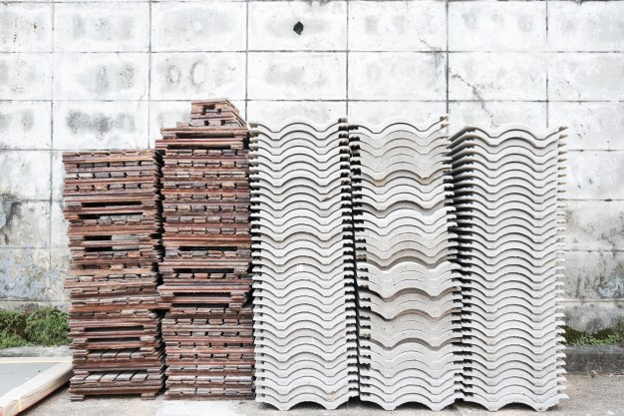
Freshly manufactured concrete roof tiles stacked and ready for installation.
Concrete roof tiles are manufactured using a blend of sand, cement, water, and iron oxide pigments. This mixture is shaped under high pressure to form rigid tiles, then cured using heat to harden the material. The top surface is coated with colorized slurry or paint-like coatings specifically designed for concrete applications, though these surface treatments can fade over time.
Modern concrete tiles are available in several profiles, including:
Spanish S-tiles with a pronounced curve
Low-profile villa tiles with gentle double-S contours
Flat tiles that mimic slate, stone, or hand-split wood shake
While manufacturing has advanced, the fundamental characteristics of concrete remain the same: it is a dense, heavy, and porous material. These inherent properties lead to many of the long-term performance issues homeowners encounter, such as water absorption, color fading, weight-related structural concerns, and freeze–thaw deterioration.
7 Common Concrete Roof Tile Problems
Concrete tile roofing may appear strong and durable, but in practice, it comes with multiple challenges that homeowners should carefully consider.
1. Excessive Weight
Concrete roof tiles are extremely heavy. Standard concrete tiles weigh 9.5 to 12 pounds per square foot, and even “lightweight” concrete tiles still weigh 5.5 to 7.5 pounds per square foot.
For comparison, CEDUR synthetic shakes weigh just 170 pounds per square, while concrete tiles can weigh 820–1,110 pounds per 100 sq ft.
Such heavy loads may require:
Structural reinforcement
A consultation with a structural engineer
Additional construction costs
2. Water Absorption and Moisture Problems
Concrete is naturally porous, absorbing up to 13% water. This leads to:
Mildew and mold growth
Staining
Increased weight during wet conditions
Freeze–thaw cracking in colder climates
Moisture absorption is one of the primary causes of premature concrete tile deterioration.
3. Cracking, Chipping, and Fragility
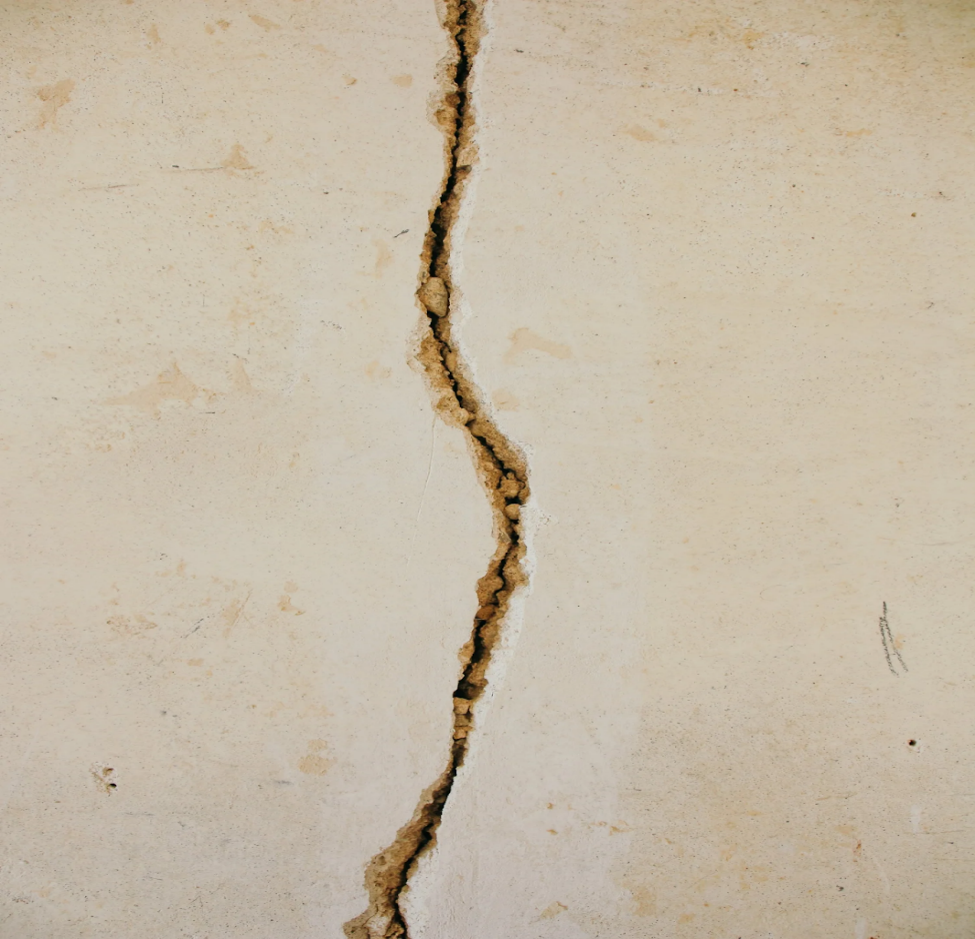
Cracking illustrates the fragility and damage common in concrete roof tiles.
Concrete may seem durable, but it is surprisingly brittle in real‑world conditions. Hail, falling branches, and foot traffic can easily crack or split tiles.
In cold climates, freeze–thaw cycles make cracking even more common. In hail‑prone regions, concrete tiles are generally not recommended.
4. High Maintenance Requirements
Concrete roof tiles may seem durable at first glance, but they require significant ongoing maintenance, more than many homeowners expect. Because concrete is both heavy and porous, the material is highly susceptible to environmental wear, leading to frequent upkeep and added long‑term expenses.
Concrete tile maintenance often includes:
Applying protective sealants: Since concrete absorbs moisture, tiles must be sealed periodically to slow down water intrusion.
Removing mold, moss, and mildew: Moisture absorption, shaded areas, and humid climates can quickly lead to organic growth.
Cleaning stains and surface discoloration: Water, algae, and pollution gradually stain the tile surface.
Replacing broken or cracked tiles: Impacts from hail, falling branches, or even routine foot traffic can break tiles.
Repainting faded tiles: Surface coatings degrade under UV exposure, leaving the roof patchy, dull, and inconsistent.
Additionally, replacing individual tiles is not always straightforward. Over time, concrete tiles fade unevenly, making it difficult to match new tiles to old ones. Homeowners often end up with visible color mismatches across their roof.
Foot traffic presents another challenge. Walking on concrete tiles to clean gutters, install holiday lights, or perform inspections can cause cracking or breakage, sometimes requiring a full section replacement.
In short, concrete roofs demand consistent attention. Between repainting, sealing, cleaning, and tile replacement, concrete tile roofing often becomes one of the highest‑maintenance roofing systems available, increasing both time commitments and long‑term costs for homeowners.
5. Underlayment Often Fails Early
Concrete tiles may last for decades, but the underlayment beneath them often fails around the 20-year mark, well before the tiles themselves. This early failure is caused by the natural characteristics of concrete tile systems. This means homeowners must:
Remove the tiles
Replace the underlayment
Reinstall the tiles
This process is costly, time‑consuming, and sometimes more expensive than the initial installation.
6. Long-Term Costs Add Up

Discarded concrete tiles showing how frequent replacements increase long-term costs.
Concrete tiles themselves may not be expensive, but the hidden and ongoing costs of owning a concrete tile roof add up quickly over the life of the home. What initially appears to be an affordable roofing option often results in significantly higher long-term spending due to the material’s weight, fragility, and moisture-related vulnerabilities.
Beyond the upfront purchase and installation, homeowners must anticipate:
Structural engineering and reinforcements: Many homes require additional framing support before concrete tiles can be installed, an added cost that most roofing materials don’t require.
Underlayment replacement: Since underlayment typically fails around year 20, homeowners face a disruptive and costly process of removing tiles, replacing the layer, and reinstalling the roof.
Frequent repairs: Cracked, chipped, or broken tiles, often caused by hail, falling branches, or foot traffic, lead to recurring repair appointments.
Repainting and surface restoration: Because concrete coatings fade and weather over time, many roofs require professional repainting to maintain appearance.
Mold and mildew treatment: Moisture absorption can lead to ongoing cleaning and remediation costs.
When these expenses are combined over decades, concrete tile roofs can become one of the most costly roofing systems to maintain, particularly in climates with temperature swings, moisture exposure, or frequent storms. For many homeowners, the long-term financial burden outweighs the perceived durability of concrete tile roofing.
7. Fragility in Cold Weather
Concrete becomes brittle in cold temperatures, making it more vulnerable to breakage. Freeze–thaw cycles accelerate this process, causing cracks and structural deterioration.
For homeowners in colder regions, concrete tiles often require frequent repairs, undercutting their advertised lifespan.
Climate-Specific Risks of Concrete Roof Tiles
Concrete tile performance varies widely by region:
Hail-prone states: Cracking and impact damage are common.
Cold climates: Freeze–thaw cycles lead to breakage.
Humid climates: Mold, moss, algae, and water absorption escalate.
Earthquake zones: Excessive weight may pose collapse risks.
Homeowners in these environments should approach concrete tiles with caution.
A Better Alternative to Concrete Roof Tiles
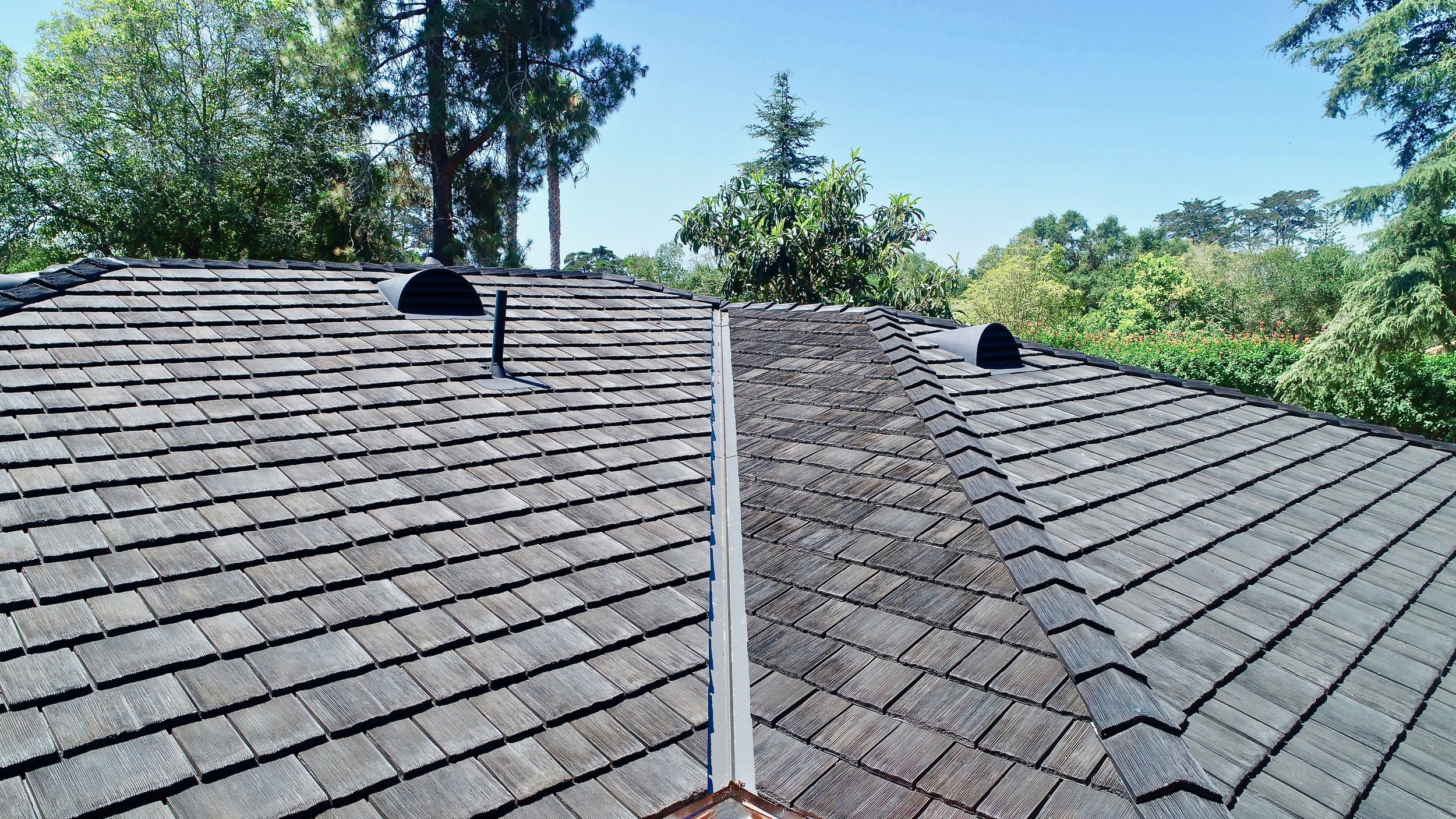
Synthetic shake roofing provides a durable, lightweight alternative to concrete tiles
For homeowners who want the classic beauty of wood shakes without the heavy weight, moisture issues, and long-term costs associated with concrete tiles, CEDUR synthetic cedar shakes provide a superior roofing solution. CEDUR is engineered from a proprietary polyurethane material designed to offer the strength of premium roofing systems while eliminating the weaknesses of traditional products.
Unlike concrete tiles, whose performance can decline due to water absorption, cracking, fading, and weight-related challenges, CEDUR shakes maintain consistent performance in virtually every climate. Their lightweight design and advanced material composition allow them to excel in areas where concrete tiles frequently fail.
What Makes CEDUR a Better Choice?
CEDUR shakes are created through a precision-molded manufacturing process that replicates the texture, grain, and shadow lines of natural cedar shakes. The result is a stunning, high-end appearance paired with exceptional durability.
Here’s what sets CEDUR apart:
Ultra‑Lightweight: At just 170 pounds per square, CEDUR places far less stress on your roof structure than concrete tiles.
Zero Water Absorption: CEDUR’s material does not absorb moisture, eliminating problems like swelling, freezing, mold, mildew, and added weight during storms.
Class 4 Impact Rating: Engineered to withstand severe hail and debris without cracking, chipping, or breaking.
Class A Fire Rating: Achieves the highest fire safety rating on its own, without special underlayments.
Withstands 115 mph wind speeds: Ideal for regions prone to strong storms and wind uplift.
Minimal Maintenance: CEDUR shakes do not require repainting, power washing, sealing, or tile replacement. Occasional rinsing is all they need.
Installation Made Easy: Their lightweight design and consistent sizing make CEDUR easy for contractors to install without structural upgrades.
Long-Term Value: With a 50+ year life expectancy and virtually no maintenance, CEDUR reduces the long-term costs that concrete tile roofs inevitably incur.
Why Homeowners Prefer CEDUR Over Concrete Tiles
While concrete tiles may appear durable, they often become one of the most expensive and maintenance-heavy roofing systems over their lifespan. CEDUR eliminates these downsides, offering:
A lighter load on your home
Stronger resistance to severe weather
Better performance in cold, humid, or hail-prone climates
A more consistent appearance over time
Peace of mind with a roof that won’t crack, fade, or absorb water
For homeowners seeking beauty, strength, and long-term reliability, CEDUR is the clear alternative to concrete roof tiles.
CEDUR vs Concrete Roof Tiles: Side‑by‑Side Comparison
The table below highlights the most important differences homeowners should understand when evaluating both materials.
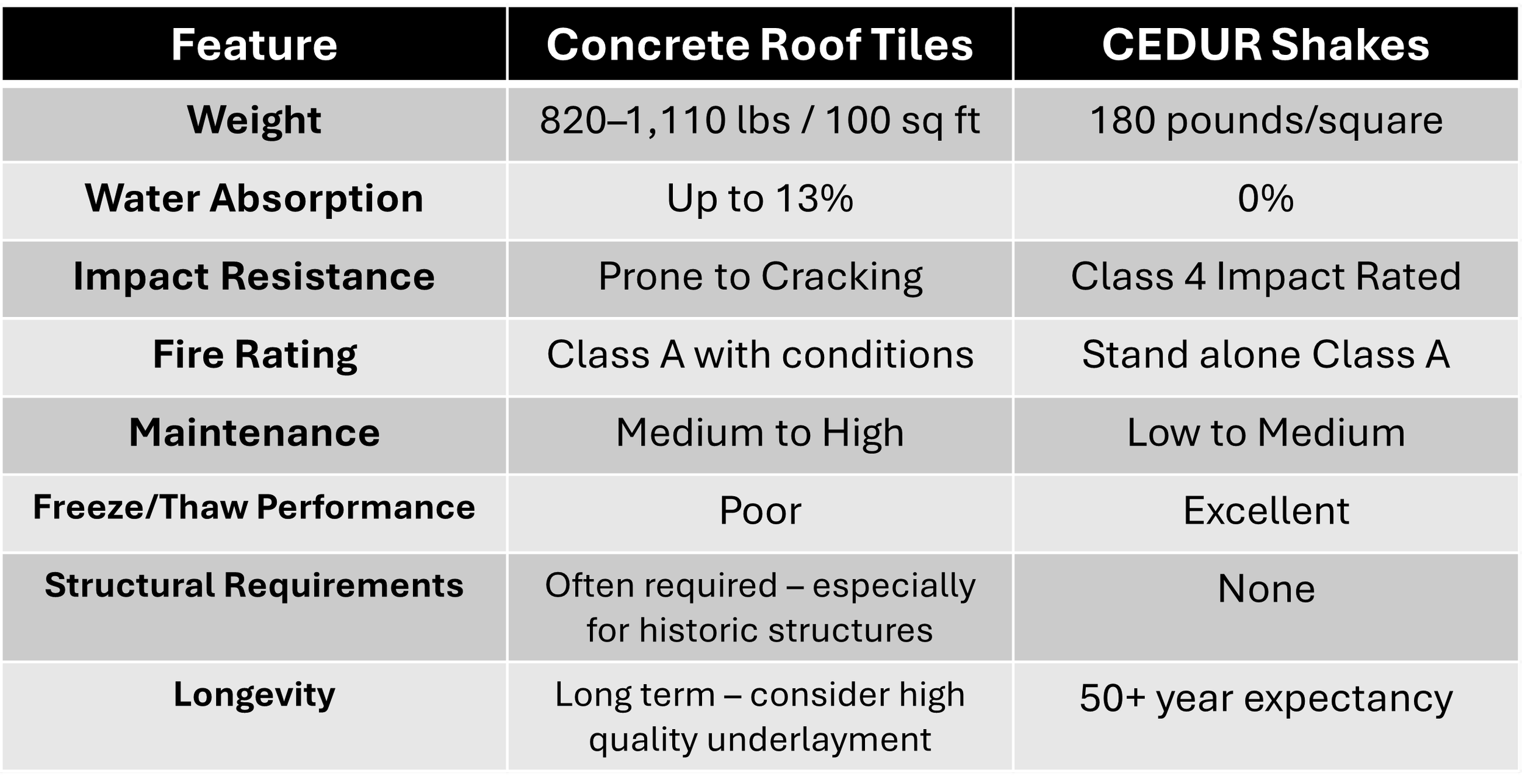
Concrete comparison chart. Please note: this is for comparison only and may vary by concrete tile manufacturer.
Choosing a Smarter Roofing Solution
While concrete roof tiles remain a common roofing option, they come with numerous drawbacks: excessive weight, moisture issues, cracking, fading, and high ongoing maintenance costs. Their performance varies dramatically by climate, and long-term ownership often requires more investment than homeowners anticipate.
For a beautiful, durable, lightweight, and virtually maintenance‑free alternative, CEDUR synthetic cedar shakes stand out as one of the best roofing materials available today.
Ready to Upgrade? Contact the CEDUR team today to learn more about replacing your concrete roof tiles with high‑performance synthetic roofing.