Top Roofing Industry Trends to Watch in 2026
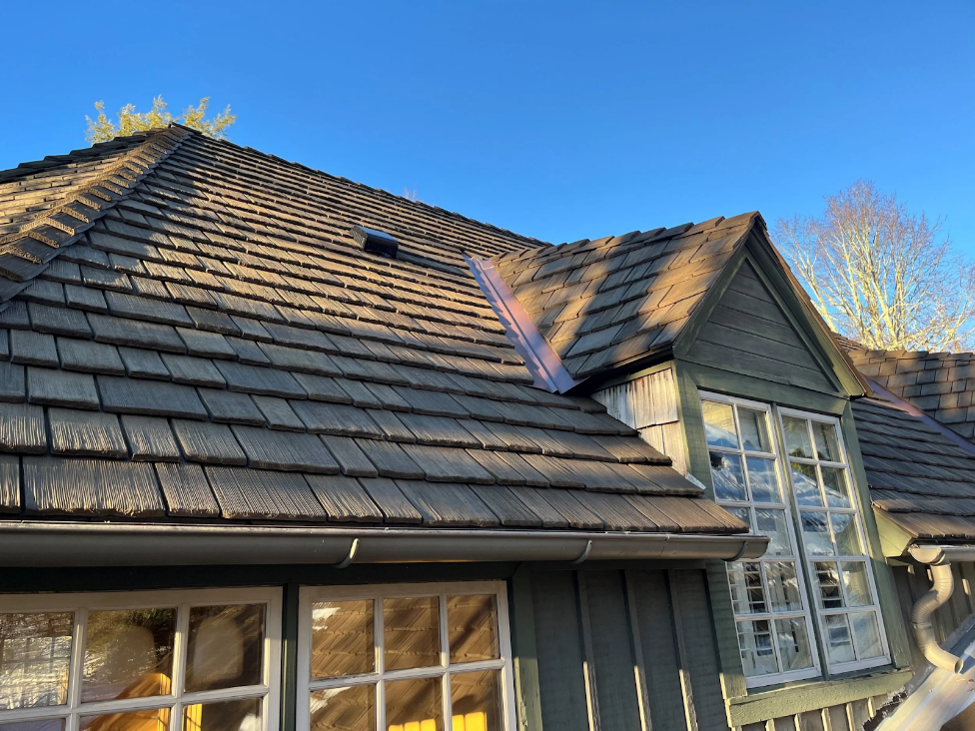
CEDUR Walden synthetic shakes installed by All American & Restoration Roofing, bringing natural wood beauty and long-lasting performance to this South Carolina home.
The roofing industry continues to evolve as new technologies, materials, and environmental concerns shape how contractors, homeowners, and manufacturers approach roofing projects. As we look ahead to 2026, several key trends are expected to gain momentum across residential and commercial sectors alike.
Looking Back: How Far We’ve Come
Over the past decade, the roofing industry has undergone a remarkable transformation. From the rise of sustainable building practices to the incorporation of advanced digital tools, change has been constant and progressive. Key developments such as the adoption of solar panels, the emergence of synthetic materials, and the use of drones for roof inspections have moved from novel ideas to industry standards.
In particular, we’ve seen a notable shift in mindset: roofing is no longer just a structural necessity, it’s now a space for energy innovation, environmental responsibility, and design expression. Labor shortages and climate concerns have only further propelled the need for smarter, more efficient solutions, and the industry has responded with impressive agility and creativity.
What’s Ahead: Roofing Trends to Watch in 2026
Below are the top roofing trends that are expected to shape the industry throughout 2026:
1. Increased Demand for Sustainable Roofing Materials

CEDUR synthetic shake shingles feature deep wood-grain texture that replicates the look of natural cedar with superior durability.
Sustainability is no longer a buzzword, it’s a major deciding factor for property owners and builders. In 2026, expect continued growth in demand for eco-friendly roofing materials that are recyclable, energy-efficient, or made from sustainable resources. Products like solar shingles, cool roofs, and recycled-content roofing systems are becoming more accessible and cost-effective.
2. Growth in Synthetic Roofing Products
Synthetic roofing materials, like composite shingles and polymer-based products, are gaining favor for their durability, lightweight properties, and weather resistance. These materials are also being developed to replicate the aesthetics of natural products such as wood and slate, offering homeowners and building owners the best of both worlds: performance and beauty.
3. Fire-Resistant and Impact-Resistant Roofing
As climate change increases the frequency of wildfires, hailstorms, and extreme weather events, the market for fire-resistant and impact-resistant roofing is expanding. In 2026, Class A fire-rated products and impact-tested materials will see heightened demand, especially in vulnerable geographic regions.
4. Smart Roofing and Roofing Tech
From moisture sensors and thermal imaging to drone inspections and digital modeling, smart technology is revolutionizing how roofs are maintained and monitored. Contractors are leveraging these tools for real-time diagnostics, while property owners benefit from predictive maintenance and data-driven decisions. Expect an even broader rollout of AI-powered inspection tools and tech-enabled materials in 2026.
5. Labor Shortage Driving Prefabrication and Modular Roofing Solutions
The ongoing skilled labor shortage continues to challenge the construction industry. In roofing, this is accelerating the shift toward prefabricated components, modular installation systems, and tools that simplify and speed up the process. Look for more manufacturers and contractors adopting streamlined, labor-saving roofing systems.
6. Advancements in Solar Roofing Integration
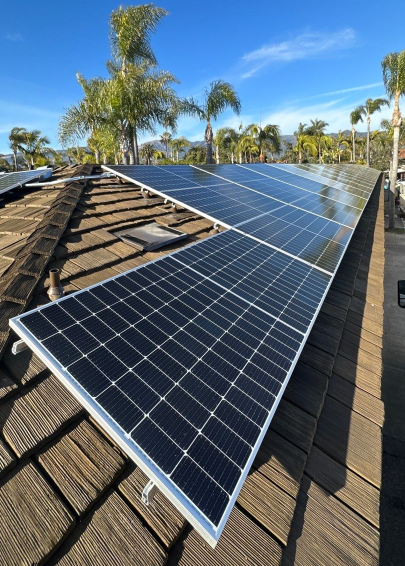
CEDUR Walden roofing paired with a high-efficiency solar array at Marina Beach Motel, expertly installed by Wicks Roofing.
As renewable energy adoption accelerates, solar roofing systems are advancing beyond basic panel installations. Innovations in solar-integrated roofing materials will become more mainstream, making it easier for property owners to adopt solar technology without compromising on design. Look for improved efficiency, aesthetics, and easier installation processes in 2026.
CEDUR’s Role in Shaping Future Roofing Trends
CEDUR synthetic shake roofing products are poised to lead the next wave of innovation in the roofing industry. Crafted from high-performance polyurethane, CEDUR shingles deliver the perfect balance of beauty and resilience, offering a natural wood look with none of the drawbacks. Unlike traditional shakes, CEDUR products won’t rot, split, or fade, and they require virtually no maintenance over time.
What truly sets CEDUR apart in 2026 is its commitment to safety and sustainability. With a Class A fire rating and exceptional impact resistance, CEDUR is ideal for areas prone to wildfires, hail, and severe storms. These features, combined with lightweight construction and energy efficiency, make CEDUR a smart, future-ready option for both residential and commercial applications.
As homeowners and contractors continue to seek high-performance, aesthetically pleasing alternatives to wood and asphalt, CEDUR stands out as a top-tier choice that meets, and exceeds, the expectations of a modern roofing system.
Staying Ahead in a Rapidly Evolving Industry
With shifting regulations, material innovations, and climate-related challenges, staying informed is key to making the right roofing decisions. The roofing industry in 2026 will continue to prioritize resilience, efficiency, and innovation.
Ready to Future-Proof Your Roof with CEDUR?
If you’re looking to stay ahead of the curve with a roofing solution that embodies both innovation and timeless appeal, explore the possibilities with CEDUR. Discover why builders and homeowners alike choose CEDUR’s synthetic shakes for projects that demand performance, beauty, and peace of mind. Contact us today. We’re here to help you find the right solution for your home or build.